
Operetta: history, characteristics, and legacy of light opera
Operetta—often called light opera—is a 19th-century theatrical form mixing sung numbers with spoken dialogue, dance and comedy; it shaped musical theatre and influenced national styles across Europe and beyond.
Overview
Operetta is a short, often comic form of musical theatre that emerged in the 19th century as a lighter alternative to full-scale opera. Unlike grand opera, which is usually sung throughout and frequently tragic or epic, operetta blends sung arias and ensembles with spoken dialogue, dance, and popular song forms. It aims to entertain with wit, romantic plots and social satire rather than solemn drama. The name itself — literally a diminutive of "opera" — emphasizes its lighter tone and relative brevity. Many accounts place its origin in the 19th century, when audiences sought accessible, topical entertainments alongside traditional operatic fare.
Image gallery
10 Images




Key characteristics
Several features distinguish operetta from other stage music forms:
- Mix of speech and song: spoken dialogue alternates with musical numbers, a feature shared with the Singspiel and French opéra comique traditions; dialogue serves plot and comic timing in ways that continuous singing does not. See also the role of spoken dialogue.
- Light musical style: melodies tend to be tuneful and straightforward, borrowing from popular dance rhythms and fashionable orchestral colors rather than heavy leitmotifs or dense choral writing; composers write memorable songs and dance numbers (dances) intended for broad appeal.
- Comic or romantic plots: stories often revolve around mistaken identities, romantic entanglements, class satire, or gentle political mockery, with happy or amusing resolutions.
- Practical staging: sets, casts and orchestras are generally smaller than in grand opera, making operettas more easily toured and produced by a range of companies.
Origins and development
Operetta developed in several European centers. In France the shorter, conversational opéra comique provided a direct ancestor. Composers in France reacted against the growing seriousness and length of some operatic works and sought a return to brisk, satirical entertainment. In Vienna, a parallel tradition grew from the city's love of dance and light orchestral music. The form spread quickly: to Austria, Germany and beyond, adapting to each country’s language and social tastes.
Jacques Offenbach is widely credited with popularizing the modern operetta in mid-19th-century Paris, while Johann Strauss II and other Viennese composers brought a distinctly ballroom-influenced style to the theatrical stage in Vienna. English-speaking audiences encountered related works under labels such as "comic opera" or "opera comique," and national forms emerged, including the Spanish Zarzuela and the English pieces of Gilbert and Sullivan.
Notable composers and works
Several names recur in the operetta repertoire, representing different national approaches:
- Jacques Offenbach (France) — early and influential Parisian examples.
- Johann Strauss II (Austria) — Viennese operettas with strong dance rhythms; works such as Die Fledermaus are staples of the repertory.
- Franz Lehár and Franz von Suppé (Austria) — composers of enduring Viennese pieces like The Merry Widow.
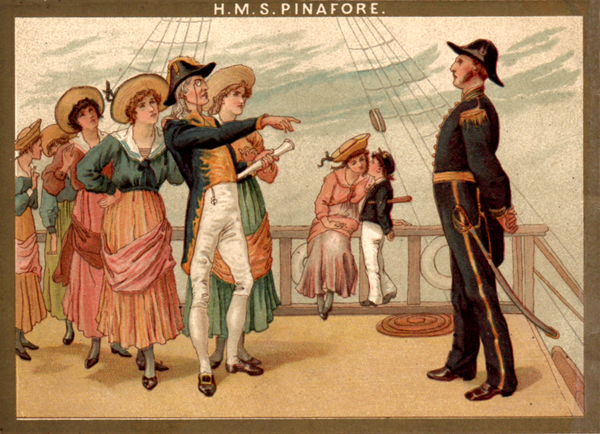
- British practitioners such as Gilbert and Sullivan created a distinct English comic-opera tradition with spoken dialogue and patter songs.
- Other composers who crossed genres include Bizet, Chabrier and Delibes, each of whom wrote lighter stage works alongside grander operas.
- Regional examples: Romanian works by Ciprian Porumbescu and Spanish zarzuelas adapted the basic operetta template to local tastes.
20th-century changes and legacy
By the early 20th century the balance of influence shifted. French operetta's primacy gave way to Viennese tastes, and after World War I Berlin became an important center for German-language light musical theatre. Over the decades, operetta gradually evolved into or influenced newer forms: the Broadway musical, musical comedy and film musicals absorbed its blend of speech, song and dance and incorporated popular song styles, including jazz and American-influenced dance-band sounds. By the mid-20th century many light stage works were no longer labeled "operettas," though the term persisted for pieces that retained a distinctly central European flavor.
Distinctions and continuing interest
Operetta occupies a transitional place between serious opera and modern musical theatre. It is neither purely concert music nor mere revue: good performances require singers who act convincingly, actors who can sing, and ensembles skilled in comic timing. Today operetta survives in professional repertory houses, festivals and revivals, where it is valued both for its historical importance and for its lively melodies and theatrical charm. For readers seeking deeper context, the broad traditions that fed operetta—the opera house, national popular theatre and parodic entertainments—remain useful reference points, as do the related forms of the Mozart era and later musical comedy with roots in the classical repertoire.
Operetta's mix of music, speech and social playfulness helped shape modern musical storytelling and continues to influence composers and producers who balance melody, wit and stagecraft. For further reading on specific works, composers and regional styles, follow the links to primary sources and repertory guides: mid-20th-century surveys, theatrical histories of theatre practice, and bibliographies of national schools identified here, including those of Berlin and other European centers.
Questions and answers
Q: What is operetta?
A: Operetta is a type of opera that is not too serious and often full of fun, sometimes referred to as "light opera". It includes spoken dialogue, songs and dances.
Q: Who can be thought of as the creator of the operetta tradition?
A: The composer Jacques Offenbach can be thought of as the creator of the operetta tradition.
Q: What was popular in Germany before operettas were created?
A: In Germany, the Singspiel tradition was popular before operettas were created (e.g. Mozart's The Magic Flute).
Q: How did French operettas become less popular in early 20th century?
A: In the early 20th century, there was more interest in Viennese operettas than French ones, so they became less popular.
Q: What are some examples of well-known operettas?
A: Some well-known examples include Die Fledermaus by Johann Strauss, Die Lustige Witwe by Franz Léhar, Crai nou by Ciprian Porumbescu and Gilbert and Sullivan's operas from England.
Q: Who performed in these works?
A: Performers had to both sing and act very well for these works; composers such as Bizet, Chabrier and Delibes all wrote them as well.
Q: Where did German operette become popular after World War I?
A: After World War I Berlin became the centre for German operette popularity.
Related articles
Author
AlegsaOnline.com Operetta: history, characteristics, and legacy of light opera Leandro Alegsa
URL: https://en.alegsaonline.com/art/72831