
Playwright: the craft of writing for the stage
Overview of the playwright — a writer of dramatic texts for live performance. Covers what playwrights write, the word's origin, dramatic forms, development and collaboration, publication, and contemporary practice.
A playwright is a writer who composes dramatic texts intended mainly for live performance. These texts, commonly called plays, combine dialogue, character action and stage directions to create a work meant to be enacted by actors before an audience. Some dramatic works are written primarily to be read rather than staged; such pieces are often called closet dramas.
Image gallery
4 Images

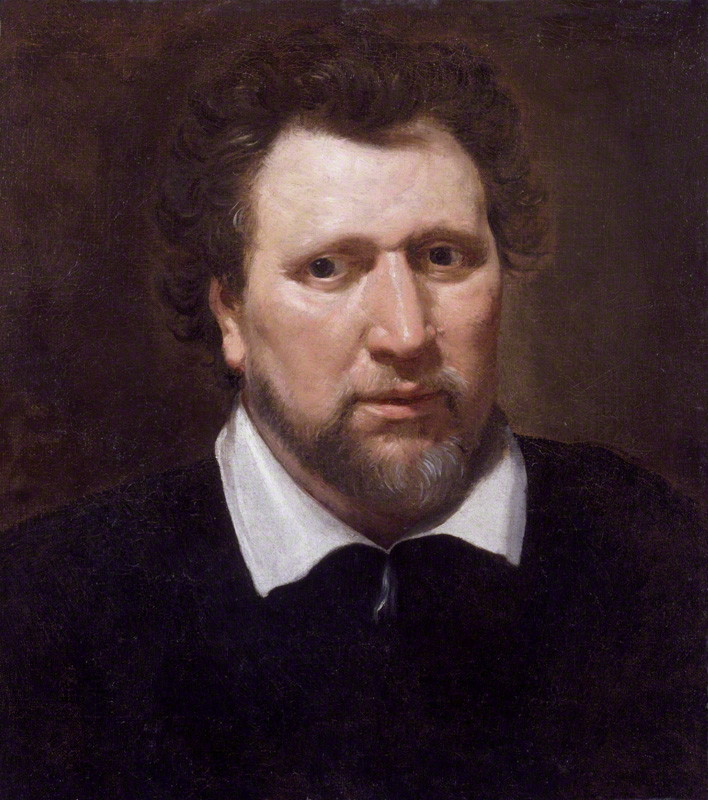

What a playwright produces
A play is more than dialogue. A typical script includes characters, lines of speech, stage directions and an overall structure of acts and scenes that shapes pacing and tension. Important components are:
- Characters — individuals whose goals and conflicts drive the dramatic action.
- Dialogue — the spoken words that reveal character, advance plot and express theme.
- Stage directions — written notes that suggest movement, setting, lighting, sound and other production elements.
- Structure — the arrangement of scenes, acts or episodic units that organize the story and manage dramatic arcs.
Origins of the word and brief history
The suffix "-wright" is an old English term meaning a maker or builder rather than a derivative of the verb "to write." A playwright is therefore literally a maker of plays, analogous to a wheelwright who makes wheels. The label "playwright" has been used in different tones across history — sometimes dismissively when contrasted with poets or literary authors, but today it is a widely accepted professional and artistic title. For general background on dramatic texts see plays, and for a note on the linguistic root consult the entry on the English term. Earlier pejorative uses are discussed in histories of theatre and criticism; the word also appears in contexts once treated as an insult.
Development, collaboration and the production process
Modern playwriting is often collaborative. After drafting a script, playwrights commonly participate in workshops, readings and rehearsals where directors, actors, designers and dramaturgs contribute practical and interpretive feedback. These processes help test pacing, clarity and stageability; revisions are normal as the written text meets the realities of space, time and budget. In some theatre cultures the playwright remains actively involved through the first productions; in others the playwright's role ends once the script is licensed.
Forms, genres and adaptations
Dramatic writing covers many forms: tragedies, comedies, farce, one-act plays, episodic and experimental theatre, musicals and political or documentary drama. Playwrights may write short pieces for festivals, full-length scripts for repertory theatres, or works tailored to community projects. Many playwrights also adapt novels, poems or historical material for the stage, and some work across media as screenwriters or librettists for opera and musical theatre.
Publication, rights and performance
Play texts are treated as both practical blueprints for performance and as literary works. Scripts can be published for reading, archived in libraries and sold to theatres. Performance rights and royalties are central to a playwright's professional life: when a theatre wishes to stage a play it typically secures a license from the author or the author's representative, and payments are made according to agreed terms. Professional organizations and collecting societies in many countries help administer these rights.
Training, support and contemporary practice
Playwrights come from varied backgrounds. Some study creative writing, drama or theatre at universities and conservatories; others emerge from practical experience in acting, directing or community theatre. Contemporary support structures include commissions from theatres, playwrights' festivals, development programs and residencies that offer time and resources to develop new work. Increasingly, playwrights engage with diverse platforms and collaborative models, responding to changing audience expectations and social contexts.
Playwrights play a distinctive role in the cultural life of societies by shaping live, communal experiences of story and conflict. Their scripts function as instructions for production, as texts for reading and study, and as vehicles for artistic and political expression in performance.
Questions and answers
Q: What is a playwright?
A: A playwright is a person who writes plays for the stage.
Q: What is another word for a playwright?
A: Another word for a playwright is dramatist.
Q: What are closet dramas?
A: Closet dramas are plays that are written to be read and not played.
Q: What is the origin of the word "wright" in "playwright"?
A: The word "wright" in "playwright" does not come from "write." It is an ancient English term for a builder.
Q: What is an example of a "wright"?
A: A wheelwright is an example of a "wright" who makes wheels.
Q: What was the original meaning of the term "playwright"?
A: When the term "playwright" was first used, it was meant as an insult.
Q: Has the term "playwright" lost its insulting meaning?
A: Yes, today the term "playwright" has lost its insulting meaning.
Related articles
Author
AlegsaOnline.com Playwright: the craft of writing for the stage Leandro Alegsa
URL: https://en.alegsaonline.com/art/77420
Sources
- villagevoice.com : "The Plays What They Wrote"