
Employer: definition, types, roles, and legal distinctions
An employer hires and pays people to perform work. This article explains what employers are, common types, compensation methods, duties, historical context, and how employers differ from contractors or clients.
Overview
An employer is an individual, organization, or institution that engages one or more people to perform work in exchange for payment or other agreed compensation. The person who performs the work is commonly called an employee. Employers set the terms of engagement, including the scope of duties, working hours, and compensation, and they typically expect work to be carried out under their direction or according to agreed standards.
Image gallery
7 Images


Compensation: wages and salary
Payment for work takes different forms. Employers may pay wages, which are usually calculated by the hour and can include overtime premiums, or a regular salary, which is a fixed amount paid each pay period regardless of small fluctuations in hours worked. Beyond basic pay, employers often provide benefits such as paid leave, insurance, retirement contributions, or performance bonuses. The exact mix of cash pay and benefits varies by industry, employer size, and jurisdiction.
Types and examples of employers
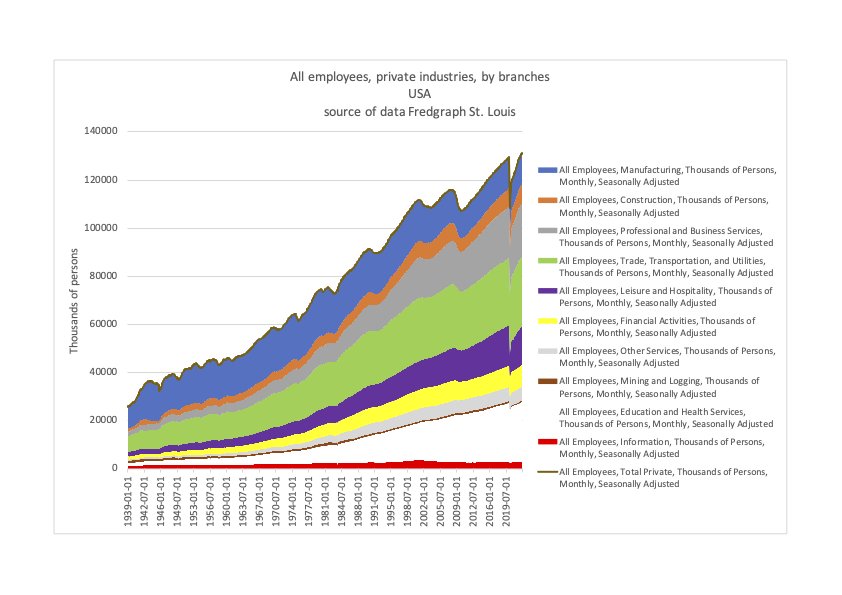
Employers range from single individuals hiring occasional help to large public bodies. Examples include a private homeowner hiring a babysitter, small and medium enterprises, multinational corporations, non-profit organizations, and governments. Many societies have a diverse employer landscape in which most workers are employed by private businesses, while public sector employers also play a major role, especially in health, education, and public administration.
Roles, responsibilities, and typical practices
- Recruitment and hiring: defining job requirements, interviewing candidates, and selecting staff.
- Workplace management: assigning tasks, supervising work, and maintaining safety standards.
- Compensation and benefits: determining pay, administering payroll, and offering benefits.
- Legal compliance: following employment law, tax withholding, and workplace regulations.
- Recordkeeping and training: keeping personnel records and providing orientation or skill development.
Legal, economic, and historical context
The concept of an employer has evolved with broader economic and legal developments. Industrialization expanded the scale and complexity of employment relationships, prompting the growth of labor laws, minimum wage standards, and protections such as workplace safety and anti-discrimination rules. Today, employers must operate within statutory frameworks that define rights and obligations for both employers and employees, including hiring practices, termination procedures, and contributions to social insurance systems. Economic cycles, technological change, and regulatory shifts continually reshape employer strategies and labor market dynamics.
Distinctions and notable facts
- Employer vs. contractor: An employer typically has control over how work is performed and is responsible for withholding taxes and providing benefits; independent contractors provide services under a contract and generally manage their own taxes and benefits.
- Scale matters: Small employers may have informal practices, while large employers use formal HR systems and compliance teams.
- Public perception: Employers are often seen as both creators of jobs and as institutions with social responsibilities toward workers and communities.
For more detailed topics—such as hiring laws, payroll practices, or dispute resolution—consult practical guides or legal resources. Further reading and official guidance can be found via referenced links and institutional materials. More on labor
Author
AlegsaOnline.com Employer: definition, types, roles, and legal distinctions Leandro Alegsa
URL: https://en.alegsaonline.com/art/31285