
State school (publicly funded primary and secondary education)
A state school is an institution that provides education at no direct charge to pupils. It is funded and regulated by government bodies and typically follows an official curriculum.
A state school is a school that educates children without charging tuition directly to families, operating under government funding and regulation. In many countries the term covers both primary education and secondary education, though it can also apply to publicly supported post‑secondary institutions. State schools are intended to provide universal access to basic education and are a central component of modern public education systems.
Image gallery
10 Images





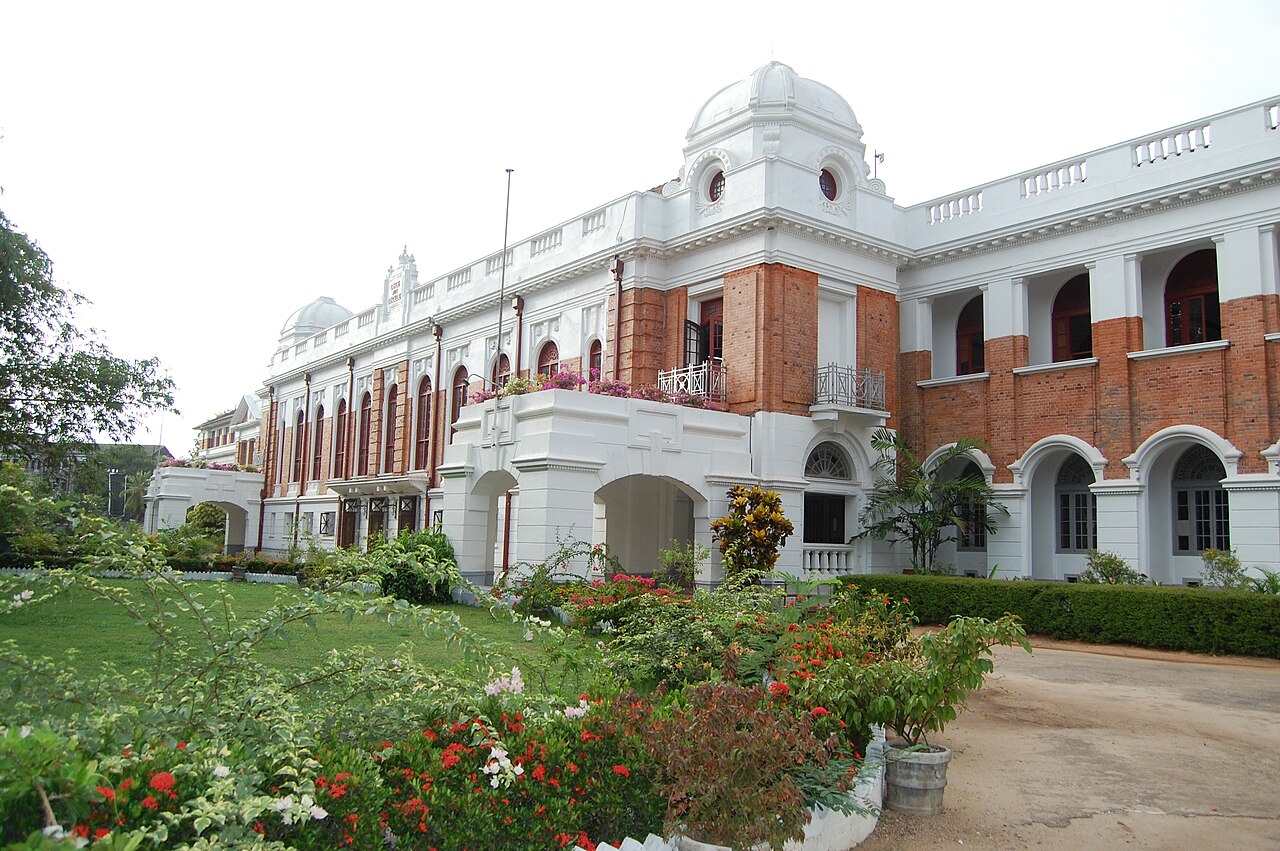

Characteristics and structure
State schools are typically financed wholly or partly through taxation and other public revenues. They may be owned and operated by national, regional or local authorities and are usually subject to standards set by government agencies. Common features include free or low‑cost enrollment, admission policies defined by law or local priority rules, salaried teaching staff, and oversight mechanisms such as inspections or reporting requirements.
Curriculum, admissions and assessment
Many state systems require schools to follow an official syllabus or national curriculum, which sets learning objectives, subject content and assessment practices. Admission rules vary: some state schools must accept all children within a catchment area, while others use lotteries, entrance criteria or specialised streams. Public examinations and standardized testing are often used to monitor attainment and hold schools accountable.
History and development
The growth of state schooling is linked to 19th and 20th century reforms that made elementary and later secondary education widely available. Governments established public schooling to improve literacy, economic productivity and civic participation. Over time, systems expanded to include compulsory attendance ages, teacher training programs and welfare services such as free meals and special education.
Role, uses and notable distinctions
- Role: provide equitable access to basic education and support social mobility.
- Uses: prepare students for work, higher education and citizenship; deliver public health and social services in some settings.
- Distinctions: in some English‑speaking regions “public school” means the same as state school; in others it denotes historic fee‑charging independent schools.
State schools are diverse in size, governance and pedagogy. They coexist with private and independent schools and are often the most common form of schooling worldwide. Public funding and regulation aim to balance equity, quality and local needs, though debates about funding levels, curriculum content and school choice continue. For further general information on primary systems see primary schools, on secondary provision see secondary schools, and on funding mechanisms see public funding.
Related articles
Author
AlegsaOnline.com State school (publicly funded primary and secondary education) Leandro Alegsa
URL: https://en.alegsaonline.com/art/93522
Sources
- gov.uk : "Types of school- GOV.UK"