
Korea: Geography, history, culture and modern society
Overview of the Korean Peninsula: geography, people, language, history from ancient states to division, culture, economy and notable contemporary features.
Overview
Korea occupies a peninsula projecting into the seas of northeast Asia (northeast Asia). The landmass commonly called the Korean Peninsula has been inhabited for millennia and formed distinctive political and cultural communities. The polity that later became the kingdom of Goryeo is conventionally dated to 918, a landmark when Korea became a country in 918 in the sense of a consolidated dynastic state. Over time the peninsula has been described both as a single cultural region and as separate modern states or political entities.
Image gallery
10 Images


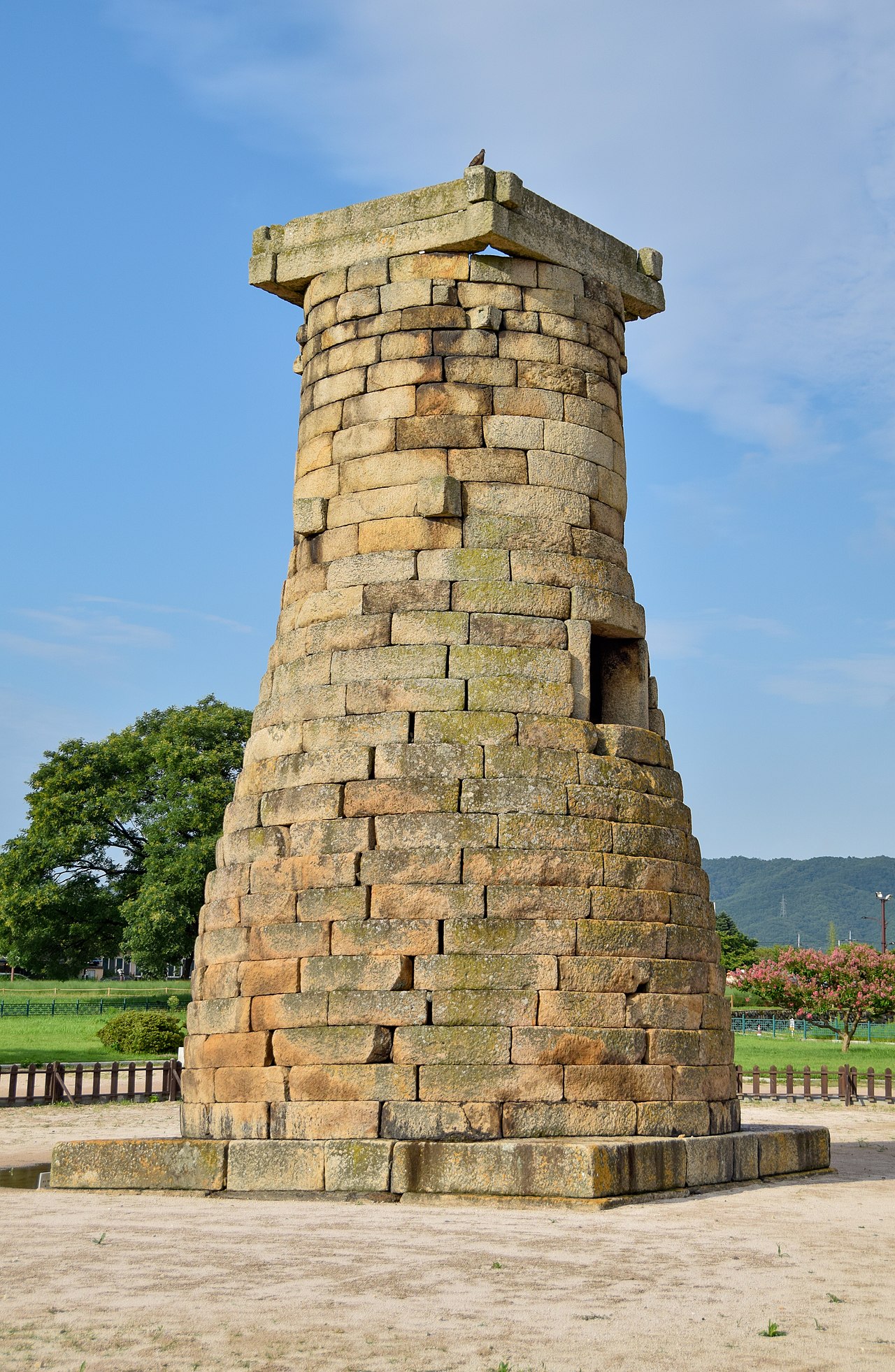


Geography and population
The peninsula sits between major neighbors and seas, with varied coasts, mountain ranges and river basins. Historically Korea's borders have shifted, and at periods its influence reached parts of what is now Manchuria (Manchuria) and areas of Siberia (Siberia). Today the territory is divided into two de facto states: North Korea and South Korea. Population estimates vary by year; South Korea is home to roughly fifty million people while North Korea counts on the order of several tens of millions. Major urban centers include Seoul in the south and Pyongyang in the north.
History and development
Human presence on the peninsula dates back many thousands of years. The classical and medieval eras saw the rise of state formations, including the Three Kingdoms, followed by Goryeo and later Joseon. Koreans were known for craftsmanship such as fine silk production and metalwork; sources note trade and exchanges even in the 7th century when neighboring China sought skilled artisans and materials, including precious metals like gold. From the late 19th century Korea entered a turbulent modern period, experiencing colonization, reform, and ultimately division in the mid-20th century. The Korean War (1950–1953) involved Korean forces and external allies and resulted in an armistice that left the peninsula split along a heavily fortified frontier.
Language, society and culture
The Korean language (Korean) is the shared linguistic foundation of the peninsula. Its native script, Hangul, was created in the 15th century to increase literacy. In contemporary South Korea many people study foreign languages such as English and regional languages for business or education. Korean culture includes cuisine, literature, visual and performing arts; in recent decades popular culture—television dramas, music and film—has achieved significant global reach, alongside traditional crafts and festivals. Broadcast media, including television, radio and now digital platforms, play a major role in cultural life.
Economy, technology and daily life
The economic paths of the north and south diverged sharply after the mid-20th century. South Korea developed rapidly into an industrialized economy with global strengths in shipbuilding, electronics, semiconductors, automobiles and high-speed rail networks. Urban infrastructure, high-speed internet and dense metropolitan regions are characteristic of the Republic of Korea, although disparities remain and agriculture continues to support many rural households. In the north, the Democratic People’s Republic of Korea has followed a planned economic model with different priorities and outcomes.
Notable distinctions and contemporary issues
- Political division: a heavily militarized border and a demilitarized zone separate two governments with divergent systems.
- International relations: the peninsula's position between larger powers has shaped diplomacy and security concerns since the 19th century.
- Cultural influence: Korean media and cultural exports have raised global awareness of Korean society, language and products.
- Heritage and innovation: traditional crafts and modern technology coexist, from historical silk and metalwork to contemporary electronics and entertainment.
Korea's long history and dynamic present make it a region of continued scholarly interest, active cultural exchange and geopolitical significance. For further reading and targeted topics—geography, dynastic history, the Korean War, modern economy and cultural exports—follow scholarly or governmental resources on each subject via the links provided above.
Key terms and places referenced above appear as linked entries: peninsula, northeast Asia, Korean Peninsula, became a country in 918, state, North Korea, South Korea, Korean War, Manchuria, Siberia, silk, 7th century, China, gold, Seoul, Pyongyang, Korean language, English, high-speed rail, and television.
Questions and answers
Q: What is Korea?
A: Korea is a peninsula in northeast Asia, also known as the Korean Peninsula.
Q: When did Korea become a country?
A: Korea became a country (or state) in 918.
Q: How long have people been living in Korea?
A: People have been living in Korea for about 15,000 years.
Q: What is South Korea's biggest city?
A: South Korea's biggest city is Seoul, the capital of South Korea. The city has more than 10 million people and the region of Seoul has more than 15 million people.
Q: What language do Korean people speak?
A: Korean people speak the Korean language. Many people in South Korea study English and other languages such as Chinese and Japanese at school.
Q: What are some features of modern day South Korea?
A: South Korea is an advanced country with large cities, high-speed rail trains, high-speed internet, and many television and radio networks. Many Korean television dramas are popular around the world.
Q: How do farmers fare economically in modern day South Korea? A: The Korean farmers are not rich and struggle to compete with cheap food from other countries.
Related articles
Author
AlegsaOnline.com Korea: Geography, history, culture and modern society Leandro Alegsa
URL: https://en.alegsaonline.com/art/54272