
Logo — definition, types, design principles, history and legal protection
A logo is a graphic mark, wordmark or symbol that identifies a person, organisation, product or service. This article outlines types, design principles, history, uses and trademark protection.
A logo is a visual sign used to identify an organisation, product, group or individual. It may be a pictorial mark, an abstract drawing, a stylised arrangement of letters or a wordmark (logotype) consisting of a name set in a distinctive type treatment. Seen repeatedly, a logo becomes a quick signal that links a product, service or message to a particular source and to a set of values, such as quality, speed or friendliness.
Image gallery
4 Images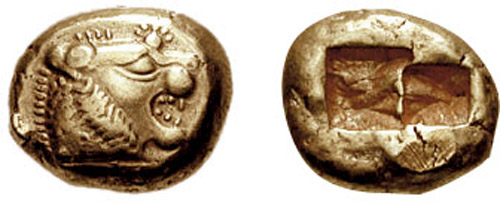


Functions and common uses
Logos perform several practical roles: they label products and packaging, appear on stationery and letters, mark digital services and social accounts, and appear in advertising and signage. A well-designed logo helps people recognise and remember a brand, distinguishes one provider from another in a crowded market, and can suggest attributes such as trustworthiness or innovation. Logos may include words or letters, but they can also be purely pictorial or symbolic.
Types of logos
- Wordmark (logotype): the organisation's name set in a distinctive typeface or custom lettering.
- Lettermark: initials or a single letter used as a compact identifier.
- Symbol or pictorial mark: an icon or illustration that stands for the brand.
- Combination mark: text and symbol used together or separately as needed.
- Emblem: text enclosed within a shape, often used by institutions and badges.
- Mascot: an illustrated character that represents the brand in a narrative or friendly way.
Design principles and practical qualities
Effective logos share a few practical qualities. They are simple enough to be recognised at small sizes and to reproduce in one colour; distinctive enough to be memorable; versatile across media from print to screen; and appropriate to the brand's personality and audience. Designers pay attention to clarity, balance, proportion and scalability. Colour, contrast and negative space are important tools: a limited palette makes reproduction and adaptation easier, while careful use of contrast aids legibility. Many logos are developed with full-colour, monotone and reversed (light-on-dark) versions to ensure flexibility.
Colour, type and scalability
Choice of colour and typeface communicates tone. Bold, high-contrast colour can suggest energy; muted palettes may imply calm or premium positioning. Custom lettering can make a wordmark unique; a neutral, widely available type may be chosen for practicality. Logos must remain legible and recognisable at different sizes — from a tiny app icon to a large billboard — and must reproduce reliably in print processes and on digital screens.
Design process and brand guidelines
Typical steps in logo development include brief and research, concept sketching, digital exploration, refinement and testing. Designers usually produce several approved variations (horizontal, stacked, icon-only) and document usage rules: clearspace requirements, minimum sizes, colour specifications and unacceptable alterations. These guidelines help maintain consistency when the logo is used across applications and by different teams or vendors.
History and antecedents
The concept of a mark that identifies an owner or group is ancient. Heraldic badges and coats of arms are early forms of identification used in medieval Europe to mark families, units and possessions; the heraldic badge is often cited as one of the oldest types of logo-like marks (heraldic badge). The industrial revolution, advances in printing and the rise of mass markets encouraged the modern use of trademarks and corporate marks to distinguish goods on a larger scale.
Legal protection and trade marks
Many organisations register logos as trademarks to prevent others from using confusingly similar marks. Registration procedures and the scope of protection vary by jurisdiction, but in most places businesses can notify a government office or registration authority to create a formal claim; this can assist in stopping unauthorised copying and help enforce exclusive use (many countries). Companies often consult trademark offices or legal counsel and may file applications with national, regional or international systems to secure rights and manage disputes (registration).
Non-commercial and civic use
Logos are not used only by commercial companies. Schools, civic bodies, sports teams, clubs and individuals use logos to project identity and values. A municipal emblem, a university crest or a club badge functions similarly to a corporate logo by signalling origin and affiliation. Organisations may also register these marks to protect institutional identity and to control authorised merchandising or reproduction (companies and groups).
Cultural considerations and ethics
Designers should consider cultural meanings, accessibility and inclusivity. Colours, symbols or lettering that are familiar in one culture may be obscure or offensive in another. Logos used in public contexts should meet accessibility expectations — for example, providing sufficient contrast and alternative text when used digitally — and designers should avoid imagery that appropriates or misrepresents cultural heritage.
Practical advice
- Keep the concept simple and focused on a single idea.
- Test the mark at a range of scales and in one colour.
- Document approved variations and usage rules to ensure consistency.
- Consider legal clearance and trademark registration early in the process.
For visual resources and examples, many design manuals and archives collect mark examples and historical illustrations; use image collections or illustration directories for reference (image) and curated drawing collections for concept study (drawing). Authoritative registries and official advice pages provide details on registration procedures in particular territories (country registries) and on how to protect and enforce rights through government channels (government/registration). Whether simple or elaborate, a logo is a compact visual language that carries identity and meaning across contexts and often benefits from both creative thinking and legal attention during development and use.
Related articles
Author
AlegsaOnline.com Logo — definition, types, design principles, history and legal protection Leandro Alegsa
URL: https://en.alegsaonline.com/art/58874
Sources
- simple.wiktionary.org : logo