
Badge: types, purposes, history and design
A badge is a visible device or patch indicating authority, membership, achievement, or identity. This article surveys types, parts, history, common uses, distinctions and modern digital equivalents.
A badge is a visible object—metal, cloth or digital—worn or displayed to convey information about a person, organization or achievement. Badges function as identifiers, symbols of authority, certificates of accomplishment, membership tokens or promotional items. They range from simple enamel pins and embroidered patches to formal police emblems and contemporary digital credentials.
Image gallery
10 Images


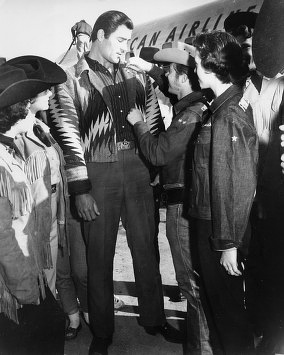
Characteristics and common parts
Although styles vary widely, many badges share similar features. Typical elements include:
- Shape and backing: circular, shield-shaped, rectangular or custom silhouettes provide instant recognition.
- Insignia and text: a central symbol, institution name, rank or motto communicates meaning; see examples of cloth patches via patch examples.
- Material and attachment: metal with pins or clips, embroidered fabric with sew-on backing, adhesive labels or digital tokens.
- Identifiers: serial numbers, issue dates or QR codes can authenticate and track use.
History and development
Badges evolved from ancient emblems and heraldic devices used to identify allies, followers or rank. Over time they became standardized in institutions such as militaries, civic services and fraternal orders. The 19th and 20th centuries saw widespread adoption of metal police and fire badges, while organizations like youth movements popularized merit badges and embroidered patches. Today, the concept extends to digital badges awarded for completed courses and skills.
Uses and examples
Badges are used in many contexts:
- Identification and access control for employees, students and event attendees.
- Symbols of authority for uniformed services; they often derive legitimacy from an oath or legal commission—see discussion of symbols and authority at symbol resources and oath and authority references.
- Recognition of achievement such as scout merit badges, academic honors or professional certifications.
- Marketing and publicity, where branded pins or stickers raise awareness.
Different settings impose display rules: ceremonial uniforms follow strict placement and precedence, while digital platforms set criteria for earning and showing virtual badges.
Distinctions are useful: a badge is primarily an identity or authorization device, while a medal typically recognizes valor or achievement and an emblem or logo represents an organization visually without implying personal qualification. Collecting physical badges and curating digital badge portfolios are both modern continuations of an ancient practice: using symbols to communicate who a person is and what they have done.
Related articles
Author
AlegsaOnline.com Badge: types, purposes, history and design Leandro Alegsa
URL: https://en.alegsaonline.com/art/8220