
Employee — roles, legal status, and modern distinctions
An employee is a person hired by an employer to perform work for pay. This article describes definitions, rights, types, hiring, history, and distinctions such as contractors, volunteers, and clients.
An employee is an individual who performs work or services for another party in return for compensation. Employed people may work for a company, a public body, a nonprofit, or another kind of organization. Employment covers many arrangements — full‑time and part‑time, permanent and temporary, seasonal, and fixed‑term — and can include both manual and managerial roles. What defines someone as an employee is the contractual and practical relationship with the party that hires them, commonly called the employer, rather than the job title alone.
Image gallery
7 Images


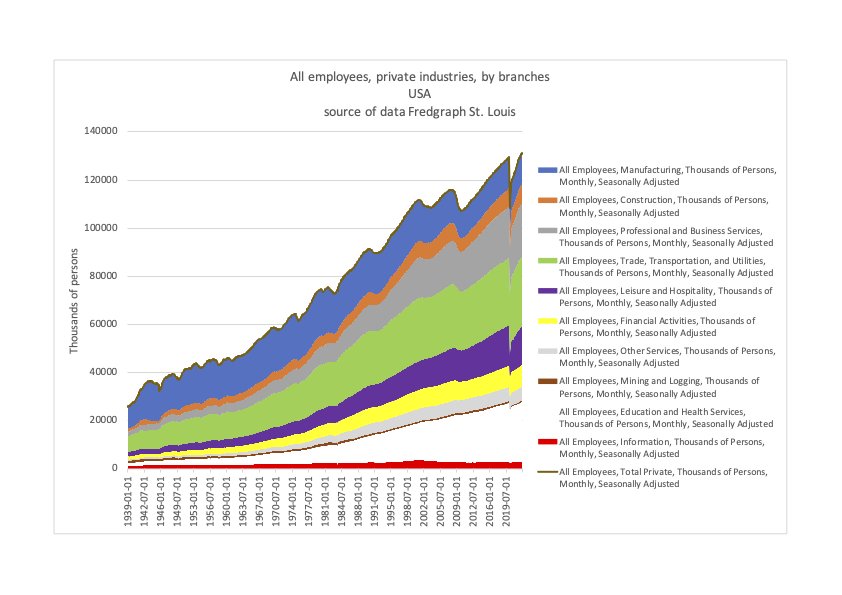
Core characteristics and legal status
Employees are normally engaged to do a specified job and receive wages or salary in return. Employment law in most jurisdictions gives employees certain protections and entitlements. These can include minimum pay standards such as a minimum wage, limits on working hours, workplace health and safety obligations, social insurance contributions, and access to benefits like paid leave or employer‑sponsored health plans. Employers commonly must deduct taxes or make payroll contributions on behalf of their employees.
Rights, duties and the employment relationship
In practice the employee–employer relationship involves a mix of rights and responsibilities. Employers set business objectives, direct work, and provide tools and supervision; employees are expected to perform tasks competently, follow lawful instructions, and respect company policies. Hiring typically involves an application process such as submitting a resume and attending an interview, after which an offer is made and terms are recorded in a contract or employment agreement.
Common classifications and distinctions
Not all people who perform work are employees. Common distinctions include:
- Independent contractors: Hired to complete specific tasks but retain control over how work is done; they commonly invoice for services and handle their own taxes and benefits.
- Volunteers and interns: May work without pay or for educational credit and often have different legal protections.
- Clients or customers: Recipients of services or goods supplied by a firm rather than staff of that firm — see the distinction with a client.
Many countries use tests of control, integration, or economic dependence to decide whether a worker is an employee or an independent contractor; employers sometimes prefer contractors to limit statutory obligations.
Historical context and development
The modern concept of the employee expanded with industrialization and the rise of wage labor. Labor movements, social reformers, and governments introduced regulations during the 19th and 20th centuries to address unsafe conditions, long hours, child labor, and unfair pay. These developments led to statutory protections, collective bargaining rights, and administrative systems for taxes and benefits that shape contemporary employment.
Importance and contemporary issues
Employees remain central to economic activity, but the shape of employment is evolving. The gig economy, platform work, remote and hybrid arrangements, automation, and changing benefit models raise questions about classification, worker protections, and social safety nets. Debates continue over how to balance flexibility with security, how to enforce labor standards across borders, and how to adapt taxation and benefits to new forms of work.
Practical examples and considerations
- Small businesses often hire part‑time employees for routine tasks and contractors for specialized short‑term projects.
- Large employers typically maintain formal hiring procedures, written contracts, payroll systems, and compliance programs.
- Workers considering offers should review the contract for duties, hours, pay, benefits, and termination terms; legal classification may affect rights and taxes.
For further information about employment in a particular country or sector, consult government labor agencies, recognized labor organizations, or legal guidance sources. General resources and practical guidance are often available from employers, trade associations, and public information portals.
Author
AlegsaOnline.com Employee — roles, legal status, and modern distinctions Leandro Alegsa
URL: https://en.alegsaonline.com/art/31284