
Vintage clothing: definition, characteristics, history and care
Comprehensive overview of vintage clothing: what qualifies, identifying features, history, uses, buying tips, care and differences from retro or reproduction garments.
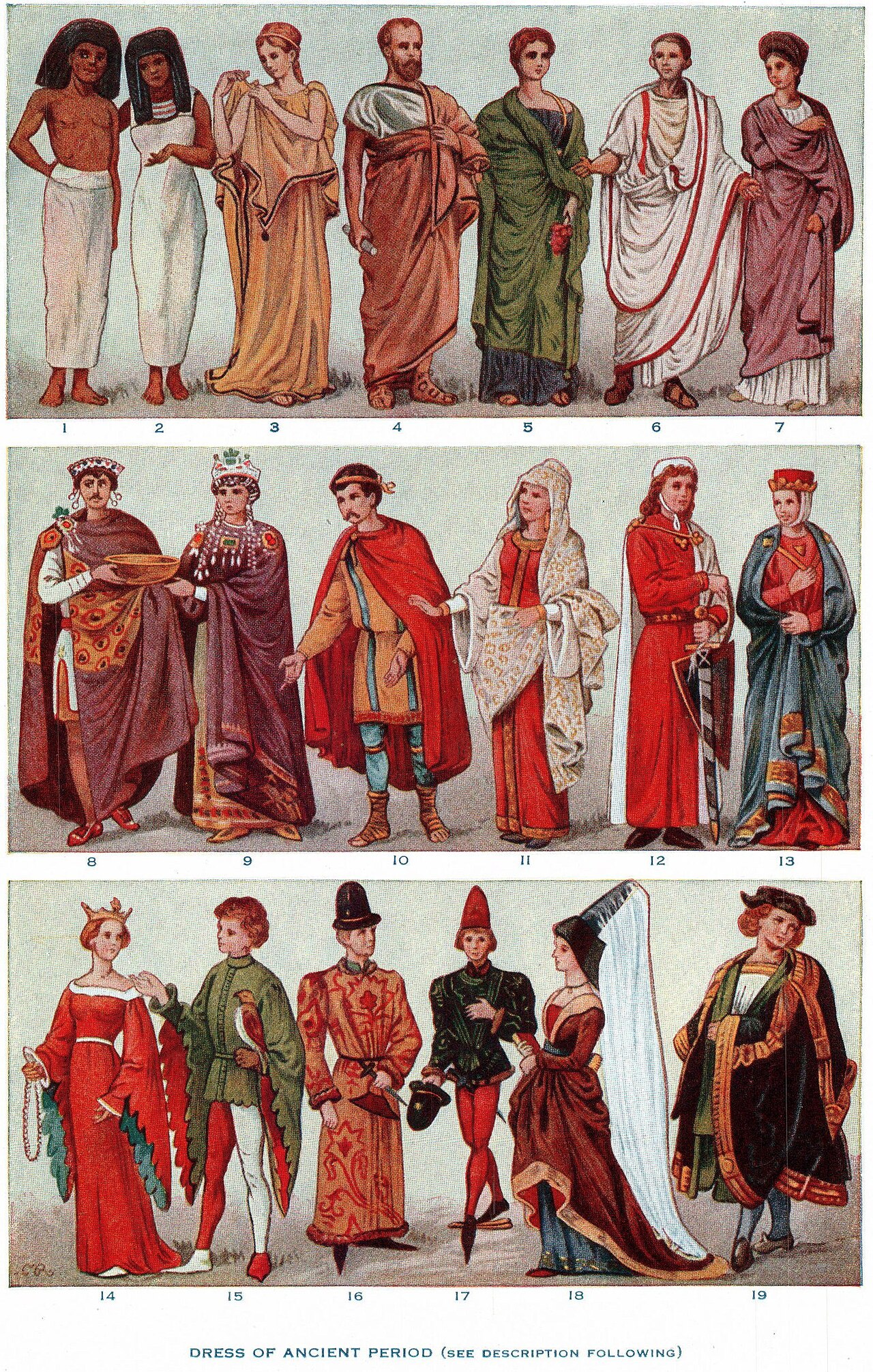
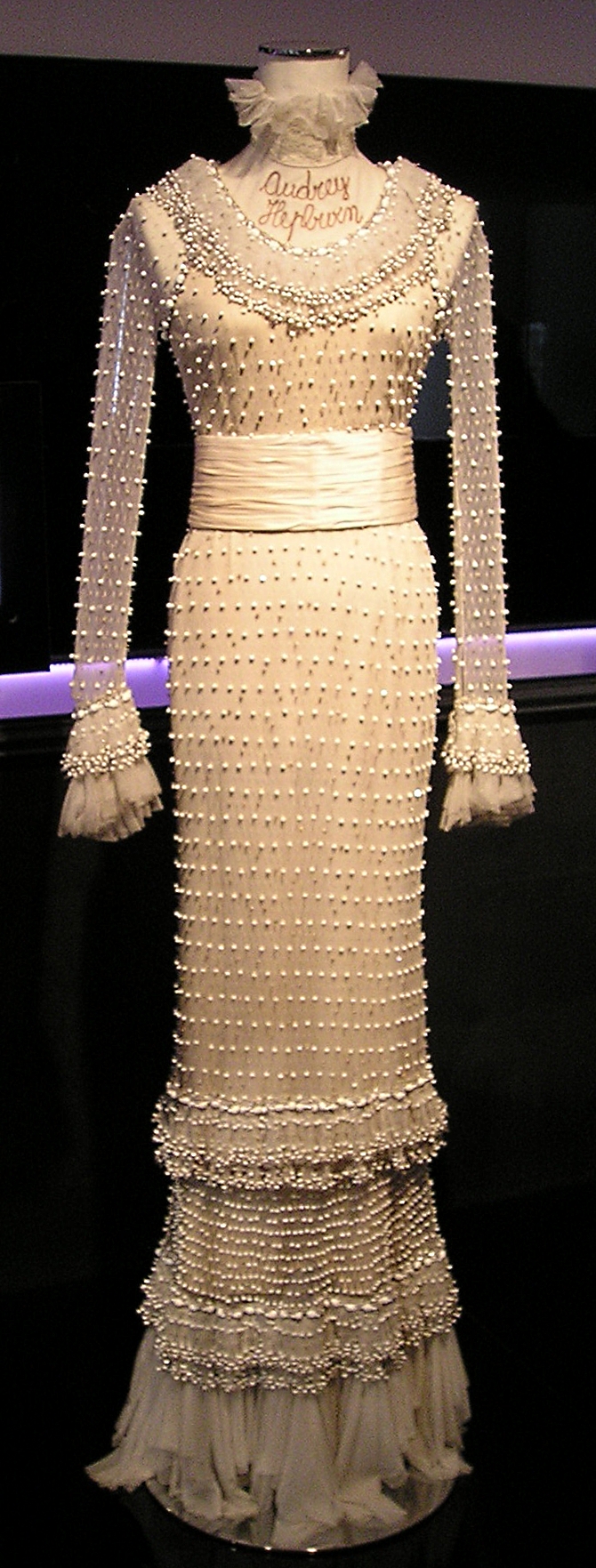
Vintage clothing refers to garments that were produced in a previous era and are prized for their age, style, materials or construction. Enthusiasts and sellers commonly treat items from roughly 20 to 100 years ago as vintage; pieces older than that are often called antiques, while modern items inspired by earlier looks are labeled retro or reproduction. Vintage remains popular for its originality, craftsmanship and cultural resonance.
Image gallery
7 Images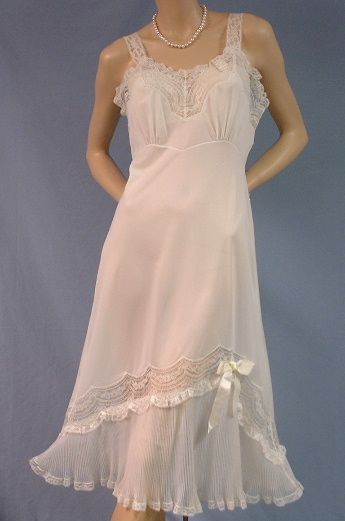



Characteristics and how to recognize vintage
Authentic vintage items frequently differ from contemporary mass-market clothing in several ways: higher-quality natural fibers, hand or precision tailoring, period silhouettes, original labels and age-appropriate wear. Stitching, hardware and fabric prints can point to a specific decade, and factory labels or care tags are useful clues.
- Materials: natural fibers like wool, silk, cotton or rayon.
- Construction: hand finishing, lining, bound seams or metal zippers.
- Labels: brand tags, country-of-origin marks or vintage care instructions.
- Condition signs: patina, repairs, fading or moth damage.
History and cultural significance
The practice of collecting older clothing grew alongside secondhand markets, theatrical costume needs and fashion scholarship. By the late 20th century, boutiques, archives and online platforms helped popularize vintage as both a style choice and a source of rare designer pieces. Vintage garments document changes in technology, social norms and aesthetic taste across decades.
Collectors and everyday wearers value vintage for sustainability, uniqueness and quality. Designers and stylists mine vintage for inspiration, while museums and historians preserve garments as artifacts that illuminate social history and production methods.
When shopping, buyers should inspect seams, linings, fastenings and odors, confirm provenance when possible, and be aware of alterations. Common tips include checking labels, testing zippers and snaps, and asking sellers about repairs or storage history. Professional authentication is advisable for high-value items.
- Ask about provenance and previous ownership.
- Check for invisible repairs and non-period alterations.
- Compare labels and trims to dated references.
- Buy from reputable dealers when investing in designer pieces.
Care and preservation extend a vintage garment's life: gentle cleaning appropriate to the fabric, padded storage, low-light display and professional conservation for fragile textiles. Distinctions to note: vintage equals original older garments; retro denotes newer pieces imitating older styles; reproductions are newly made copies. For more detailed guidance on identification and care, consult dedicated resources or specialist sellers via vintage clothing resources.
Related articles
Author
AlegsaOnline.com Vintage clothing: definition, characteristics, history and care Leandro Alegsa
URL: https://en.alegsaonline.com/art/105441