
Underwater: the environment beneath a water surface
Overview of underwater environments: seafloor forms and depth zones, life and adaptations, human uses and exploration, and notable deep-ocean features.
Overview
The term surface describes the boundary between air and water; everything below that is described as underwater. It applies to any body of water, including the ocean, sea, lake, pond or river. Much of Earth is covered by water, so underwater environments are among the planet's largest and most varied habitats.
Image gallery
10 Images





Structure and major features
Underwater landscapes include continental shelves, slopes, and the deep sea floor. The seafloor hosts mountains, valleys and flat areas often called plains. Depths range from shallow coastal zones to abyssal plains and the deepest trenches, such as the Mariana Trench, which includes the Challenger Deep and reaches roughly ten thousand meters below the surface. These physical differences create distinct environmental zones defined by light, pressure and temperature.
Zones and environmental conditions
Light diminishes rapidly with depth, producing layers from sunlit shallows to permanently dark depths. Pressure increases about one atmosphere every 10 meters, making deep regions cold, dark and high-pressure. These conditions shape chemical gradients, currents and the distribution of sediments. The seafloor and water column together support diverse ecosystems that differ markedly from dry land.
Life and adaptations
Marine organisms exhibit special adaptations for underwater life: streamlined shapes, buoyancy control, bioluminescence, and pressure-resistant physiologies. Surface and near-surface species rely on sunlight and photosynthesis, while deep-dwelling communities depend on falling organic matter, chemosynthesis at vents, or specialized feeding strategies. Biodiversity is high in some coastal and mid-depth areas, while the deepest zones host uniquely adapted, often sparsely distributed, life forms.
Human activities and importance
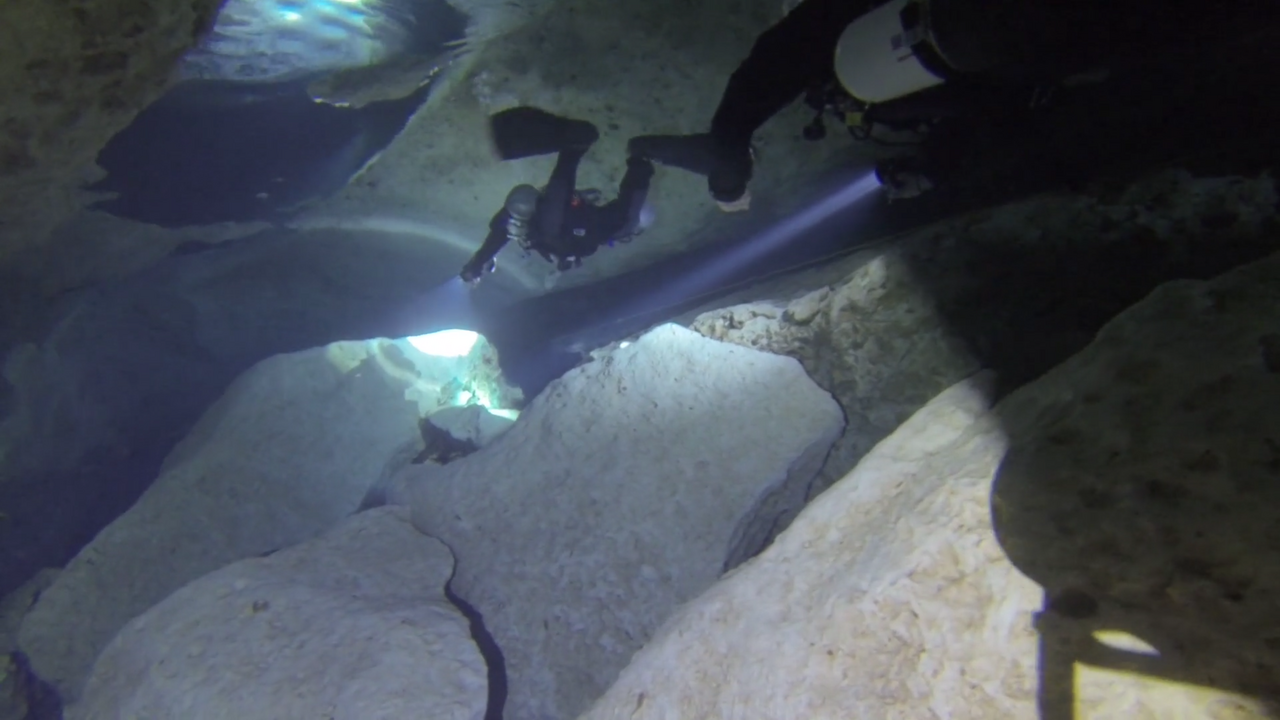
Humans interact with underwater environments in many ways. Commercial and recreational activities include shipping, fishing, resource extraction and scuba diving for work or recreation. Submerged infrastructure such as cables and pipelines crosses the seafloor, and military platforms like submarines operate beneath the waves. Scientific exploration seeks to map seafloor topography, study ecosystems and monitor climate-related changes; however, much of the deep ocean remains poorly explored.
Uses, risks and conservation
Underwater areas are economically and ecologically valuable: they provide food, minerals and transport routes, and they regulate climate. At the same time they face threats from overfishing, pollution, habitat loss and warming. Conservation efforts range from protected marine areas to international agreements aimed at sustainable use and pollution reduction. Responsible management is essential to preserve underwater systems for future generations.
Notable facts and distinctions
- Most of Earth's habitable volume is marine rather than terrestrial; oceans cover a majority of the planet's surface and volume (Earth).
- The seafloor mirrors continental relief with mountains and basins, although those features are submerged rather than on dry land.
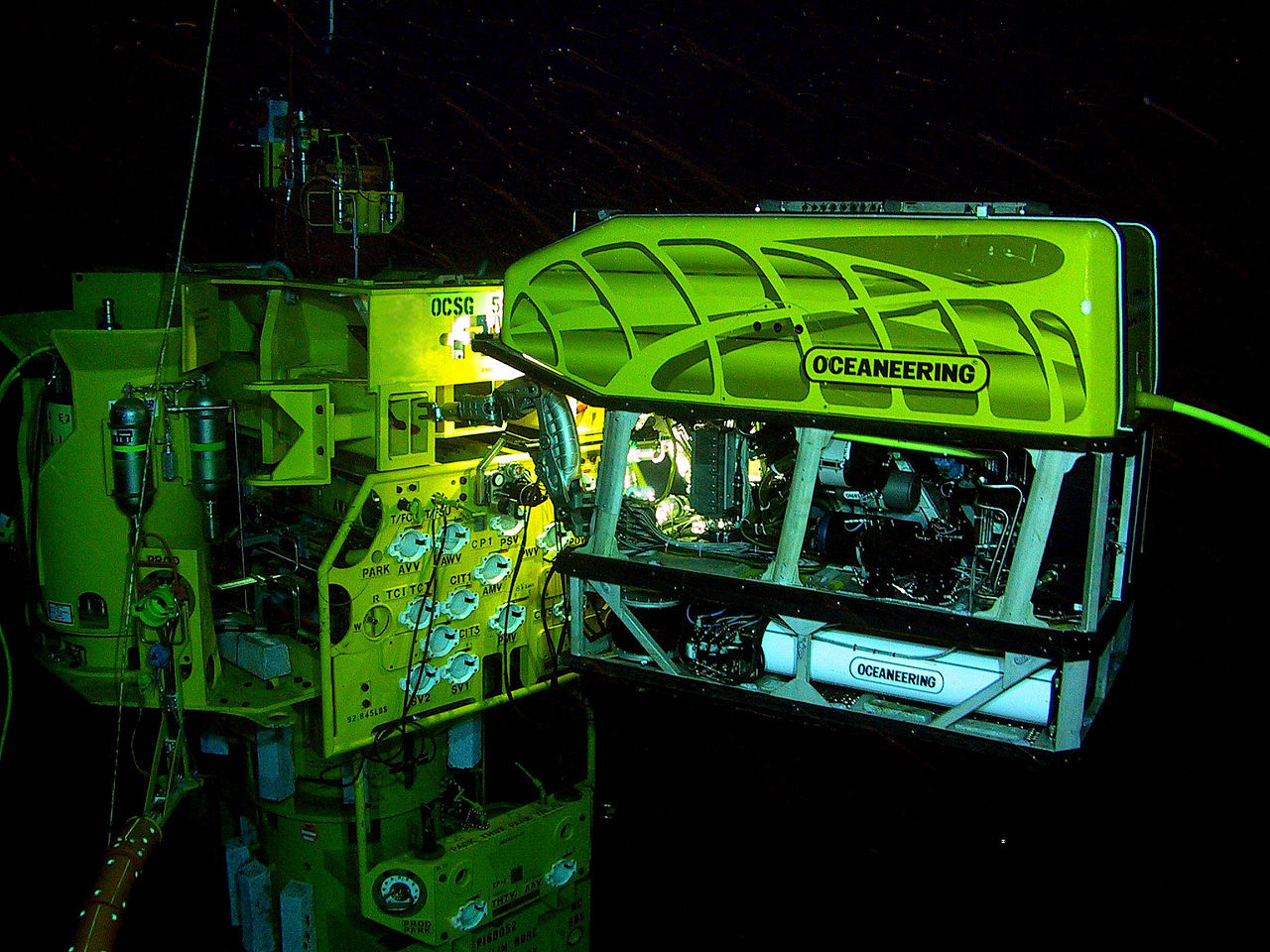
- Human presence underwater is accomplished by specialized equipment and techniques, from scientific submersibles to commercial human diving operations.
For further reading on specific water bodies or technologies, see resources about the ocean, the sea, and inland waters like the lake and river. Detailed guides explain how depth zones affect light, pressure and biological communities, and how exploration continues to reveal new aspects of the underwater world.
Related topics include coastal environments, seafloor mapping efforts and human uses such as scuba diving and undersea engineering. For global perspectives consult overviews that cover marine geography and the roles oceans play in Earth's climate and ecosystems.
Related articles
Author
AlegsaOnline.com Underwater: the environment beneath a water surface Leandro Alegsa
URL: https://en.alegsaonline.com/art/102822