
Typhoon Haiyan (Yolanda) — November 2013 super typhoon
One of the most intense tropical cyclones recorded at landfall, Haiyan (Yolanda) devastated parts of the central Philippines in November 2013 with extreme winds and a catastrophic storm surge.
Overview
Typhoon Haiyan, known in the Philippines as Yolanda, was a catastrophic tropical cyclone that developed in the western Pacific in early November 2013. The system originated as a disturbance and quickly intensified over very warm ocean waters. Meteorological analyses described it as one of the strongest tropical cyclones observed at or near landfall. Haiyan's development and behaviour are often cited in studies of rapid intensification and the hazards posed by high-category tropical storms and tropical cyclones.
Image gallery
10 Images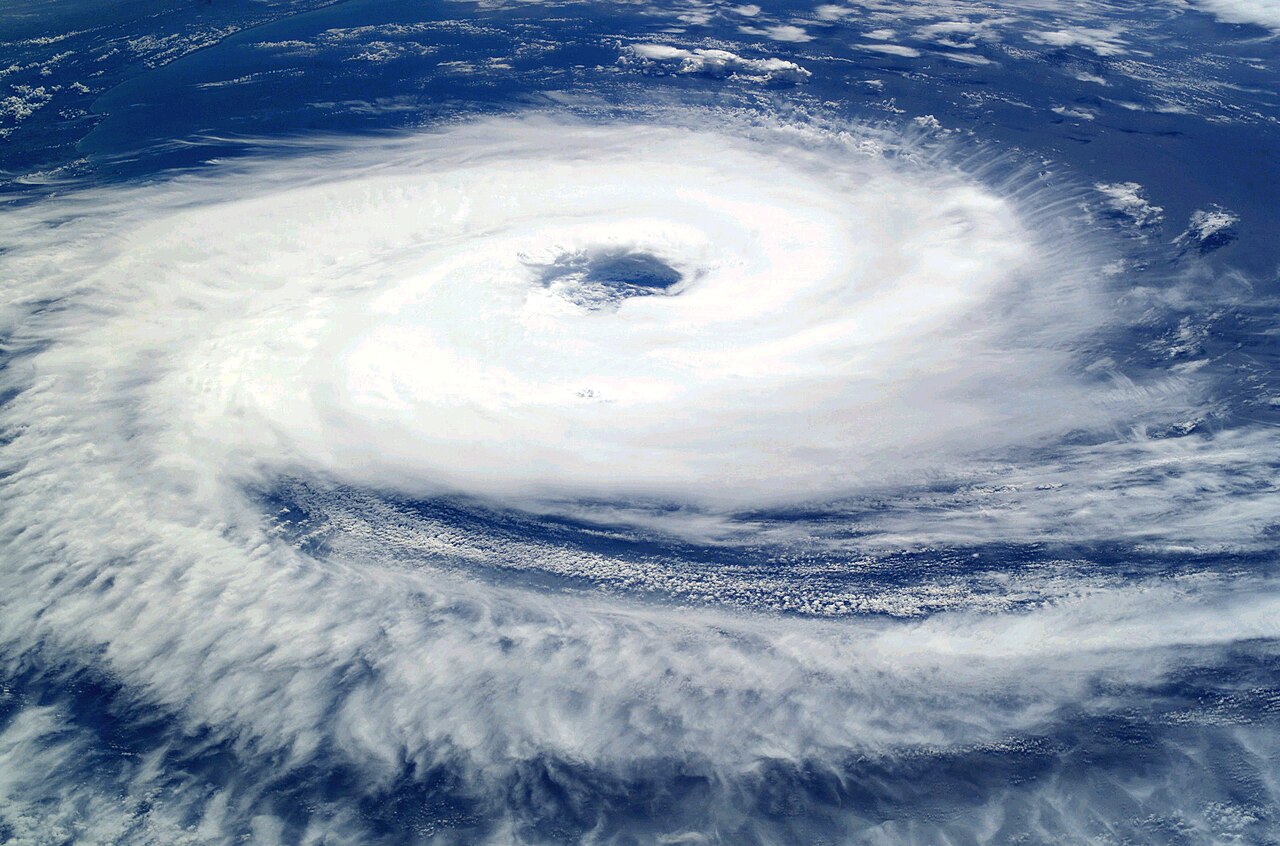



Meteorological history and characteristics
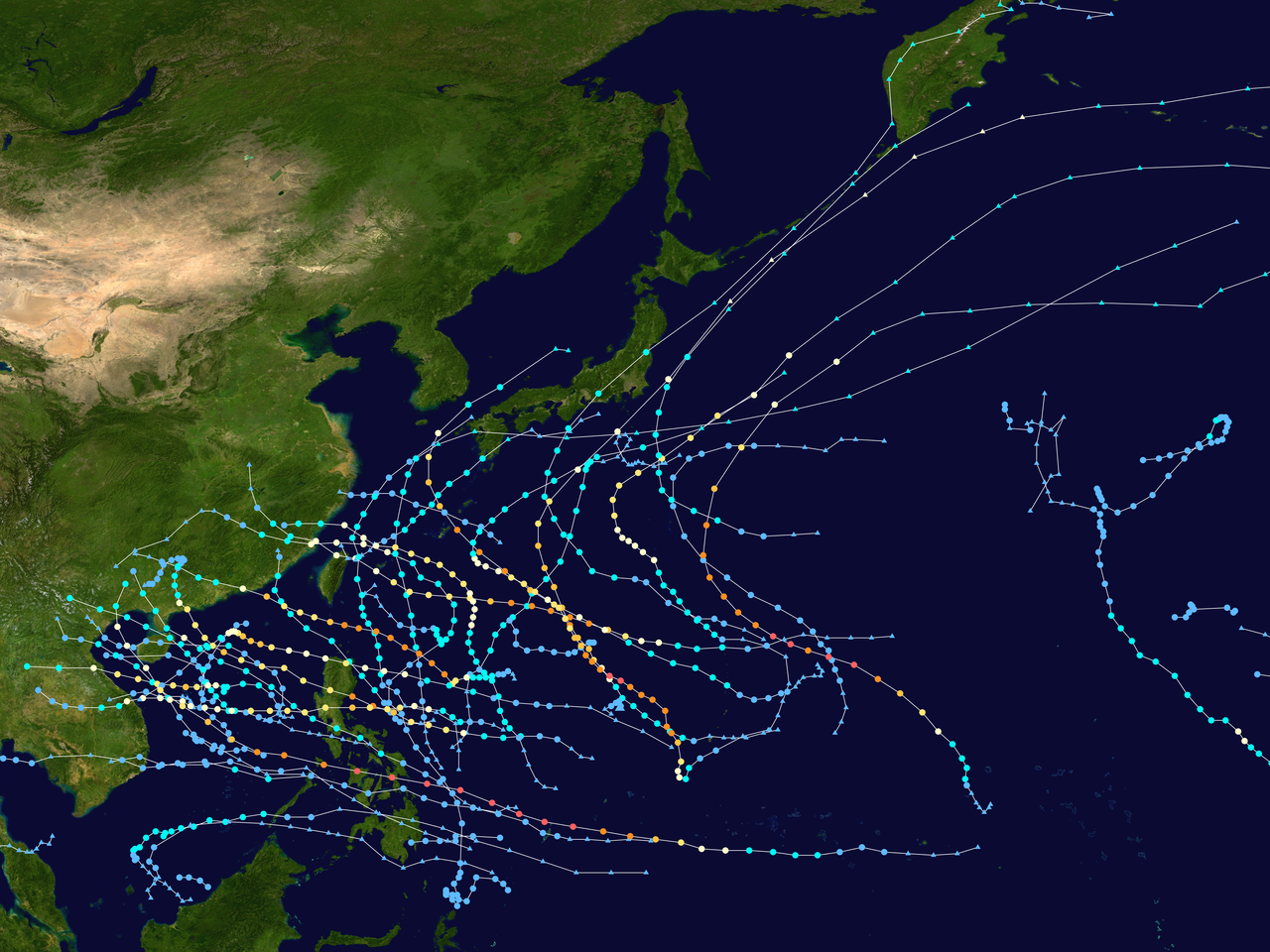
The storm formed in the central-western Pacific on 3 November 2013 and tracked westward through the warm waters of the western Pacific. Early stages were noted east-southeast of Pohnpei, and the system benefited from low wind shear and strong outflow aloft. Haiyan strengthened rapidly into a compact but extremely intense typhoon, with sustained winds estimated by some agencies at near Category 5 intensity. It made multiple landfalls in the central Philippines, bringing violent winds and heavy rainfall. Observers reported exceptionally strong winds and a very large storm surge that accompanied the system; international commentary highlighted the storm's combination of speed, size and intensity as especially destructive.
Impact and affected areas
Haiyan caused massive destruction across the Visayas and nearby islands. The hardest-hit areas included coastal communities and urban centres in Leyte, Samar, and surrounding provinces, where buildings, infrastructure and livelihoods were heavily damaged or destroyed. Tacloban and other towns experienced severe coastal flooding as a result of the storm surge and wave action. The human and material costs were high: thousands of people lost their lives and many more were injured, while hundreds of thousands were displaced and required immediate humanitarian assistance.
- Affected regions: central Philippines, especially parts of the Visayas.
- Main hazards: extreme winds (high winds), intense rainfall, and a powerful storm surge.
- Casualties and displacement: very large numbers of fatalities and widespread displacement prompted domestic and international relief efforts.
Response, recovery and longer-term effects
The scale of damage triggered a large-scale humanitarian response involving the Philippine government, international agencies, non-governmental organisations and bilateral partners. Local authorities declared states of emergency to coordinate rescue, relief and recovery. Relief priorities included search and rescue, emergency shelter, food, water and medical care, followed by reconstruction of housing, infrastructure and livelihoods. The storm highlighted challenges in early warning, evacuation planning, building resilience in coastal communities, and the need for improved preparedness for high-intensity storms.
Records and notable facts
Haiyan is often cited in meteorological literature for its rapid intensification and for being among the most intense tropical cyclones to strike land in modern records. Forecasters and commentators such as analysts at Weather Underground discussed its exceptional strength as it approached the Philippines. The event prompted reviews of coastal hazard mapping, emergency communication systems and urban planning in typhoon-prone regions. Studies and reports following the storm have contributed to understanding storm surge dynamics, the limits of forecasting extreme intensification, and the social dimensions of disaster risk reduction.
For further background on tropical cyclone behaviour, formation and forecasting, see general resources on tropical cyclones and regional meteorology in the western Pacific. Contemporary accounts of the storm's track and impacts were published by regional weather agencies and relief organisations, and remain referenced in disaster-management literature.
Sources and incident reports produced after the event provide more detailed timelines, localized damage assessments and lessons learned from the response; interested readers should consult official after-action reports and summaries from meteorological and humanitarian bodies for more granular data and analyses.
Related articles
Author
AlegsaOnline.com Typhoon Haiyan (Yolanda) — November 2013 super typhoon Leandro Alegsa
URL: https://en.alegsaonline.com/art/102366
Sources
- blogs.scientificamerican.com : "Was Typhoon Haiyan a Record Storm?"