
Vertical draft (updrafts and downdrafts)
Vertical drafts are upward or downward movements of air driven by buoyancy, terrain, fronts, or storms; they shape clouds, precipitation, turbulence, and have important effects in aviation, meteorology, and dispersion.
Vertical draft refers to the upward (updraft) or downward (downdraft) movement of air within the atmosphere. These vertical motions arise when forces such as buoyancy, pressure gradients and friction act on air parcels. Simple rising thermals, strong convective updrafts in thunderstorms and descending downdrafts that bring gusts to the surface are all examples of vertical drafts. For a concise definition see vertical movement of air.
Image gallery
2 Images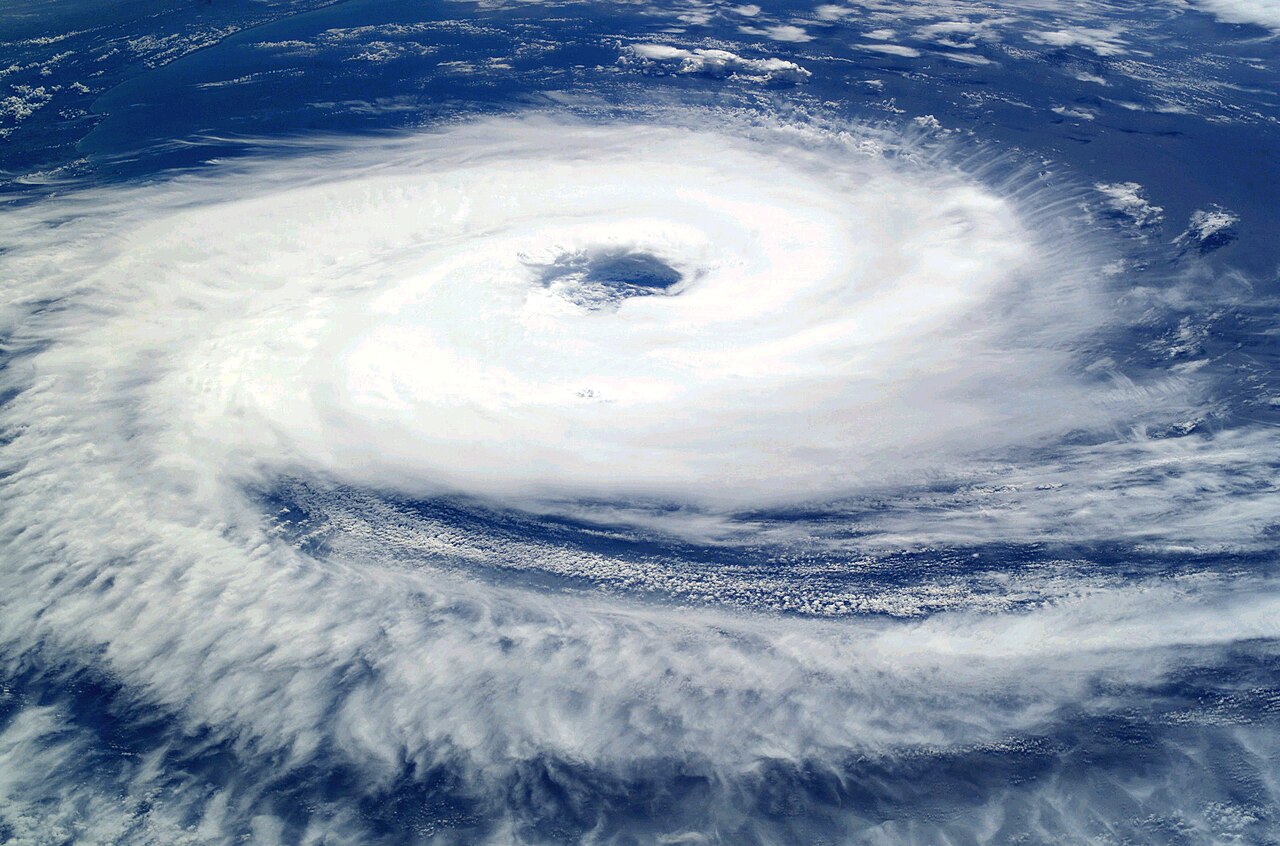

Characteristics and causes
Vertical drafts vary by scale and intensity. Small-scale thermals form from surface heating and buoyant parcels of air. Larger updrafts occur in convective storms where warm moist air ascends rapidly, producing towers of cloud and heavy precipitation. Downdrafts develop when cooled air—by evaporation or melting—sinks, or when airflow descends along sloping terrain.
- Common causes: solar heating, frontal lifting, orographic uplift, convective instability, and mechanical turbulence.
- Outcomes: cloud formation, precipitation development, turbulence, and wind gusts at the surface.
Importance and examples
Vertical drafts play central roles in weather and human activities. Updrafts concentrate moisture and build clouds and thunderstorms; downdrafts and microbursts can produce hazardous wind shear that affects aircraft during takeoff and landing. Glider pilots exploit thermals (updrafts) to gain altitude, while forecasters monitor vertical motion to predict severe weather and precipitation.
Beyond aviation and storm forecasting, vertical drafts influence pollutant dispersion, wildfire plume rise, and local wind patterns. Meteorological tools—radar, wind profilers, soundings and pilot reports—help detect and quantify vertical motions so operators and the public can respond appropriately. For broader weather context see weather.
Distinctions worth noting: an updraft transports air and often moisture upward, feeding cloud growth; a downdraft brings cooler air downward and tends to spread out as gusty winds. Vertical drafts can be transient and localized or part of larger mesoscale systems. Understanding their causes and signals is essential for safety, forecasting and interpreting atmospheric behavior.
Related articles
Author
AlegsaOnline.com Vertical draft (updrafts and downdrafts) Leandro Alegsa
URL: https://en.alegsaonline.com/art/104758