
Visayas (Visayan Islands)
Central island group of the Philippines, home to several Austronesian languages, distinct cultures and festivals, major islands like Cebu and Leyte, and diverse marine and terrestrial environments.
Overview
The Visayas, often called the Visayan Islands, form the central geographical division of the Philippines. They lie between the larger island groups of Luzon to the north and Mindanao to the south. The term "Visayas" may refer to the island group itself or to the ethnolinguistic peoples who traditionally inhabit these islands; residents are commonly called Visayans. The archipelago consists of numerous medium and small islands clustered into distinct island groups and administrative regions. The long history of maritime contact, trade and migration has shaped a variety of local cultures and seafaring traditions.
Image gallery
10 Images


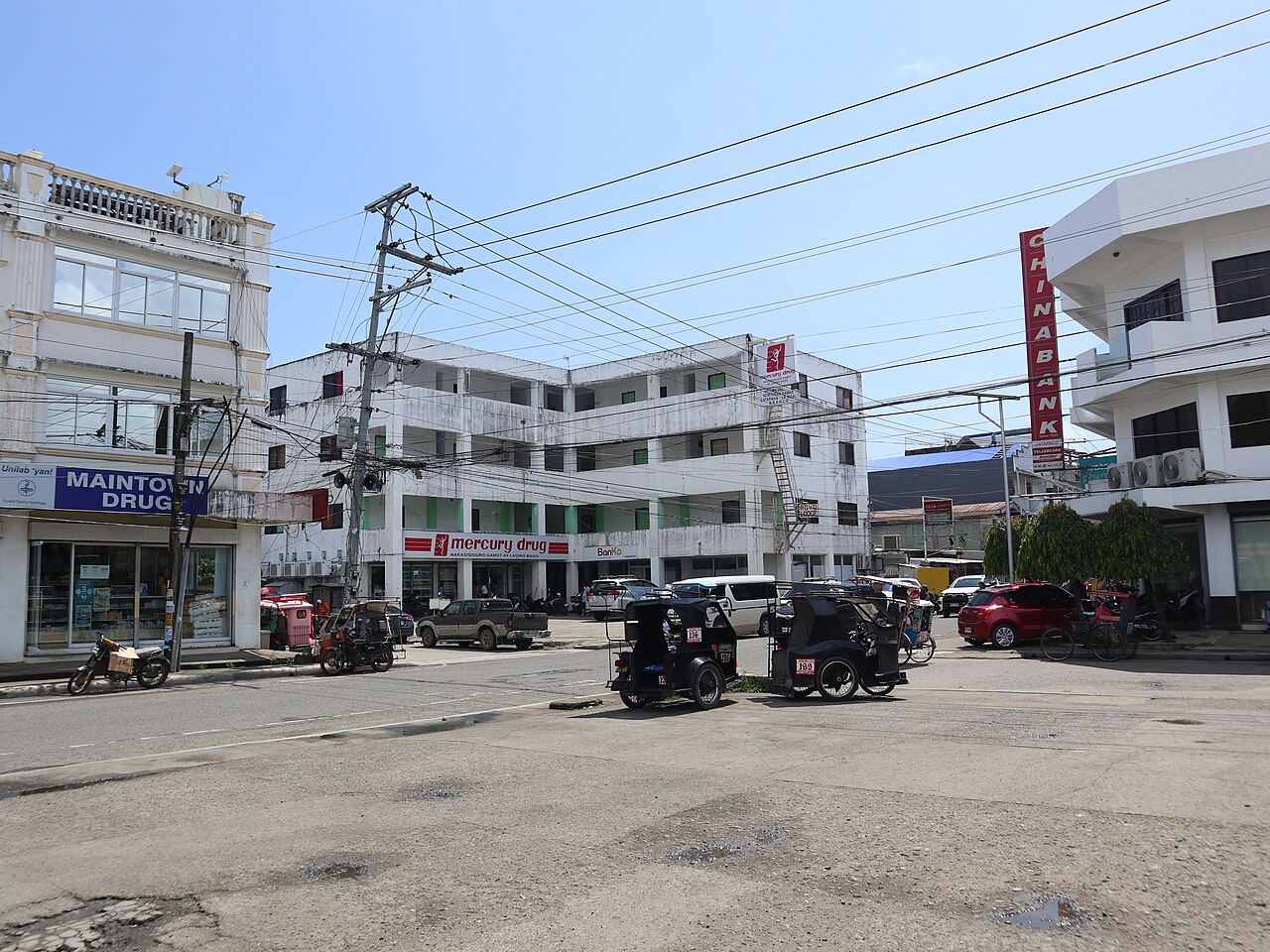


Geography and principal islands
The Visayas include several large islands and many smaller islets. Well-known larger islands are Cebu, Panay, Negros, Bohol, Leyte and Samar. Administratively the area is commonly divided into Western Visayas, Central Visayas and Eastern Visayas. Landscapes range from coastal plains and extensive coral reefs to upland forests, limestone karst and volcanic highlands; some islands feature notable geological formations that attract visitors.
Languages and society
A number of closely related Austronesian languages are spoken across the Visayas. Major regional languages include Cebuano, Hiligaynon (often associated with Panay and Iloilo) and Waray-Waray. National and other regional languages, including Tagalog, are also used in education, media and administration. Language use varies by island, town and community, and many residents are at least bilingual.
Culture and festivals
Religious traditions introduced during centuries of overseas contact coexist with older local customs. Roman Catholicism is widespread and contributes to a rich calendar of popular religious festivals, or fiestas. Prominent cultural celebrations such as Sinulog in Cebu, Ati-Atihan in Aklan and Dinagyang in Iloilo attract large numbers of participants and visitors. These events combine music, dance, costume and religious devotion and are important expressions of local identity.
Economy and environment
The Visayan economy is diverse: agriculture (including rice, sugarcane, coconuts and fruit), fishing, aquaculture, small- to medium-scale industry and tourism are all important sources of income. Coastal reefs and seagrass beds support fisheries and dive tourism, while upland areas host native plants and wildlife with some endemic species. Environmental pressures include coastal development, overfishing, and the need to manage tourism and resource use sustainably.
History and connectivity
Before European contact the islands were linked through regional trade networks and local polities. Spanish colonization left lasting influences on religion, settlement patterns and institutions, and later historical events further shaped the region. The Visayas remain a transportation hub within the country: ports, inter-island ferries and regional airports connect major cities such as Cebu City and Iloilo with other parts of the Philippines.
Significance
The Visayas are central to Philippine geography, culture and economy. Their languages, festivals and coastal resources contribute substantially to national diversity and livelihoods. Visitors and researchers often consult official regional sources and cultural institutions for detailed information on history, biodiversity and current development initiatives.
Related links: Cebuano, Tagalog, Spanish influence, Philippines, Mindanao, Luzon.
Questions and answers
Q: What are the three principal geographical divisions of the Philippines?
A: The three principal geographical divisions of the Philippines are Visayas, Mindanao, and Luzon.
Q: What is the name of people living in Visayas?
A: People living in Visayas are called Visayans.
Q: Where is Mindanao located?
A: Mindanao is located to the south of Visayas.
Q: What other names does Kabisayaan have?
A: Kabisayaan has two other names which are Cebuano and Wáray-Wáray.
Q: How many islands make up the Visayan Islands?
A: The exact number of islands that make up the Visayan Islands is unknown.
Q: In what language does Kabisayaan mean "Visayan Islands"? A: Kabisayaan means "Visayan Islands" in Tagalog.
Related articles
Author
AlegsaOnline.com Visayas (Visayan Islands) Leandro Alegsa
URL: https://en.alegsaonline.com/art/105598
Sources
- nscb.gov.ph : "NSCB ActiveStats - List of Regions"