
Tyresta National Park
A small but ecologically important park near Stockholm, Sweden, noted for old-growth forest, lakes, marked trails and recovery after a large 1999 fire.
Overview
Tyresta National Park is a compact protected area in Sweden, situated a short distance from the capital, Stockholm. The park covers roughly 50 square kilometres (around 19 square miles) and preserves a mix of primeval-like forest, wetlands and rocky outcrops. Its small size belies its ecological value as one of the better examples of near-natural woodland in the region.
Image gallery
7 Images


Landscape and ecology
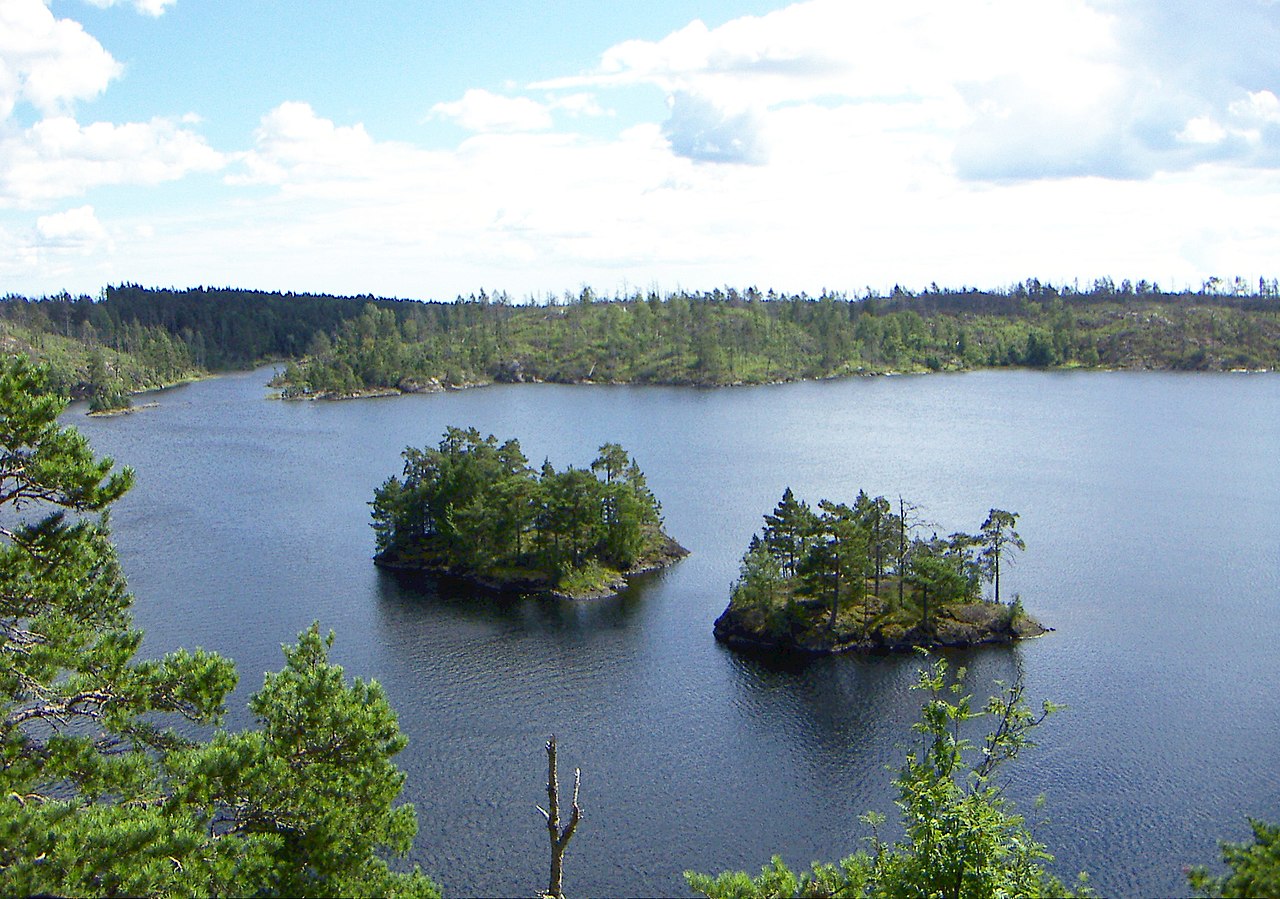
Dominated by mixed coniferous and deciduous stands, Tyresta contains patches of old-growth forest that support rich biodiversity. Lakes, streams and peatlands add wetland habitats used by amphibians and waterfowl. Typical species include boreal trees, mosses, lichens and a variety of forest birds and mammals; deadwood and uneven-aged stands provide niches for specialized organisms.
History and recent disturbances
The area was designated to protect its natural character and to provide opportunities for outdoor recreation. In 1999 a substantial wildfire burned nearly ten percent of the park, creating a visible patch of regenerating forest. Over the following decades the burned area has undergone natural succession: pioneer vegetation established quickly and wildlife gradually returned, illustrating resilience and the role of disturbance in boreal ecosystems.
Visitors, facilities and recreation
Tyresta offers marked hiking trails, boardwalks across sensitive wetlands and a visitor centre that provides maps and information. Visitors can study relic forest stands, follow signed nature paths and enjoy lakeside scenery. For up-to-date guidance and management information see the park information page: official park information.
Conservation importance and management
Although modest in area, the park is important for regional conservation because it protects near-natural forest close to an urban centre. Management balances public access with habitat protection: trails concentrate use, and some zones are left to natural processes. The park also functions as an outdoor classroom for ecology and forestry studies.
Practical notes and notable facts
- Proximity to urban population makes the park a popular day-trip destination from Stockholm.
- The park's small size (see 50 km² / 19 mi²) highlights the value of protecting fragments of natural habitat near cities.
- For planning visits, facilities and seasonal warnings consult the management pages: park information or regional nature guides (Swedish authorities).
Tyresta illustrates how compact protected areas can conserve ecological features, offer accessible nature experiences and recover from natural disturbance while remaining an important green space near a major European capital.
Related articles
Author
AlegsaOnline.com Tyresta National Park Leandro Alegsa
URL: https://en.alegsaonline.com/art/102383