
Aşgabat — capital and principal city of Turkmenistan
Aşgabat (Ashgabat) is the capital of Turkmenistan, an administrative, cultural and architectural centre located between the Karakum Desert and the Kopet Dag mountains.
Overview
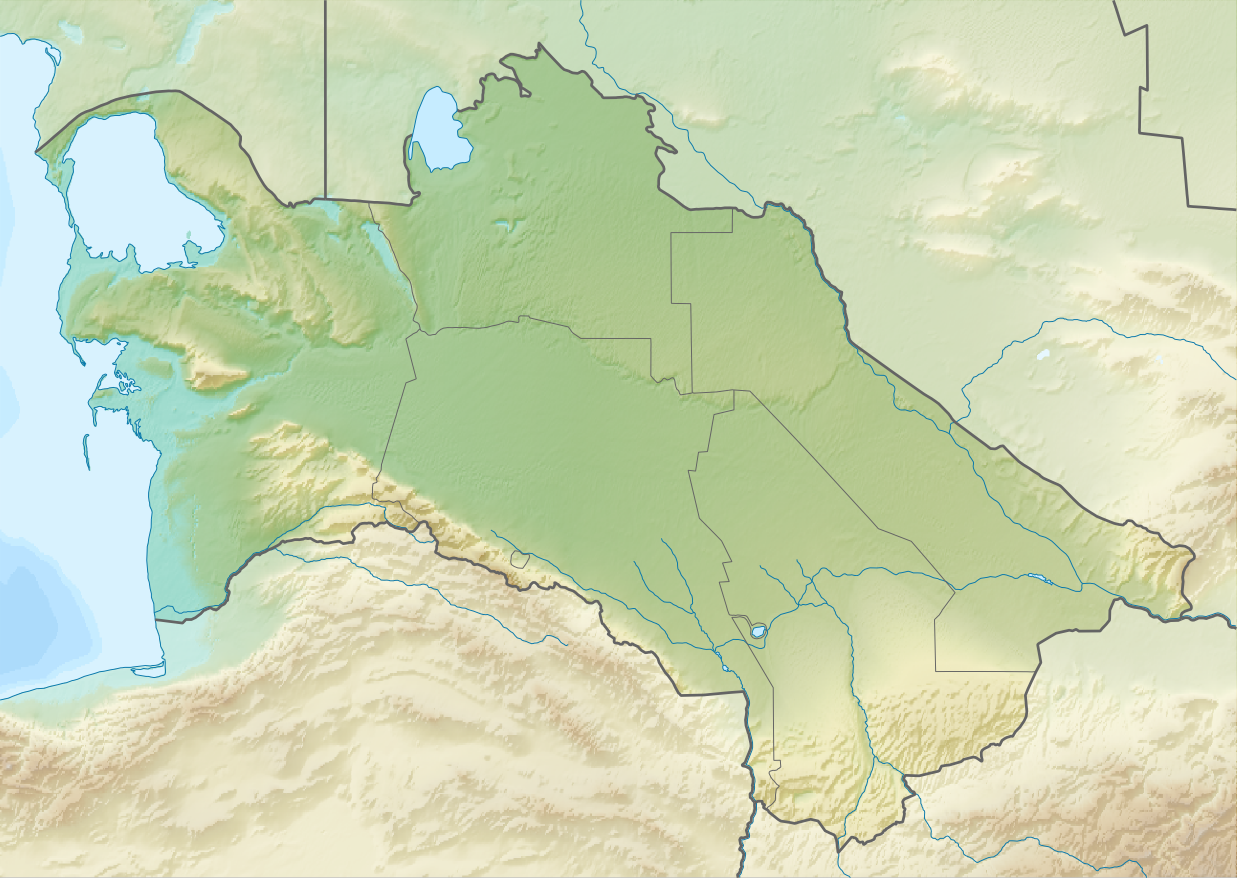
Aşgabat (also rendered Ashgabat, Ashkhabad and other spellings) is the capital and largest city of Turkmenistan. The city's names appear in several languages — Turkmen: Aşgabat, Persian: Ešq-âbâd and Russian: Ашхаба́д — reflecting the region's multilingual history. Located at the southern margin of the Karakum Desert and the northern slopes of the Kopet Dag range, Aşgabat functions as the political, cultural and transport hub of the country.
Image gallery
10 Images


History and name
The site has long been inhabited, but the modern city developed under Russian imperial and then Soviet rule. It gained prominence in the 19th and early 20th centuries as a regional administrative centre and continued growing during the Soviet period. A devastating earthquake in 1948 destroyed much of the city; the subsequent reconstruction shaped its later urban form. The origin of the name is debated: it may derive from a Parthian or Persian root referring to a historical figure or place (often cited as "Arsaces"), or from Persian elements meaning "city of love" (Eshq + abad). For further linguistic and historical notes see historical references.
Geography and climate
Aşgabat lies at the transition between desert plains and mountain foothills. This setting produces hot, dry summers and cool winters with limited precipitation; the Kopet Dag influence moderates extremes and creates occasional orographic rainfall. The city's planning and green spaces were designed to cope with the local climate, combining avenues, parks and deliberate tree planting to provide shade and cooling.
Demographics and society
The municipal population consists mainly of ethnic Turkmen alongside minorities including Russians, Armenians and Azeris. As the nation's political centre, Aşgabat concentrates government institutions, foreign representations and many cultural organisations. Social life mixes traditional Turkmen customs with institutions inherited from the Soviet era and new national developments after independence.
Architecture, landmarks and public space
A distinctive feature of Aşgabat is its extensive use of polished white marble on public buildings and monuments, a characteristic that gives large parts of the city a uniform, monumental appearance. Authorities invested heavily in monumental plazas, wide boulevards and sculptural works. Notable sites and civic elements include:
- Government and administrative complexes with neoclassical and modernist influences.
- Monuments and statues commemorating national figures and events.
- Parks, museums, and cultural institutions that host exhibitions and national celebrations.
Importance, economy and transport
As the seat of government, Aşgabat is the centre for public administration, education and higher-level services in Turkmenistan. Its economy is dominated by public-sector activity, construction and services connected to national institutions. The city is linked to other regions by road and rail and hosts the country's principal airport and intercity transport facilities, which connect Turkmenistan to neighbouring countries and beyond. For practical and travel information consult official or specialist sources such as national guides and diplomatic advisories at capital information.
Note: The city's character reflects both its long regional history and deliberate contemporary redevelopment; its urban fabric is often discussed in studies of post-Soviet capital-building, monumental architecture and national identity.
Tags
Related articles
Author
AlegsaOnline.com Aşgabat — capital and principal city of Turkmenistan Leandro Alegsa
URL: https://en.alegsaonline.com/art/6515