
Tuva (Tyva) — Republic in southern Siberia
Tuva (Tyva) is a republic of the Russian Federation in southern Siberia, bordering Mongolia. Known for its Turkic language, throat singing, nomadic pastoralism and mountainous landscapes, it has a distinct cultural identity.
Tuva, also spelled Tyva, is a republic within the Russian Federation located in southern Siberia. It is one of the country's federal subjects and is administered as part of the Siberian Federal District. The republic lies in the southern reaches of Siberia and shares an international boundary with Mongolia (border with Mongolia), making it a region of steppe, mountains and cross-border cultural ties.
Image gallery
10 Images



Geography and environment
Tuva occupies a varied landscape of high mountains, river valleys and grassland plateaus. Several ranges of the Sayan and Altai systems reach into the republic, while long valleys host rivers whose headwaters contribute to Siberia's great rivers; the upper reaches of the Yenisei are associated with the region. The climate is broadly continental: cold winters, warm summers, and strong seasonal contrasts. Large areas remain sparsely populated and are still used for traditional pastoralism.
History and politics
The region has long been inhabited by Turkic-speaking peoples and was influenced by Central Asian and Mongolian polities through the medieval period. In the 20th century Tuva experienced a period as an independent or semi-independent polity before becoming part of the Soviet Union; today it is a constituent republic of Russia with its own constitution and regional government. Administratively it is grouped with other federal subjects of Siberia (southern Siberia).
People, language and culture
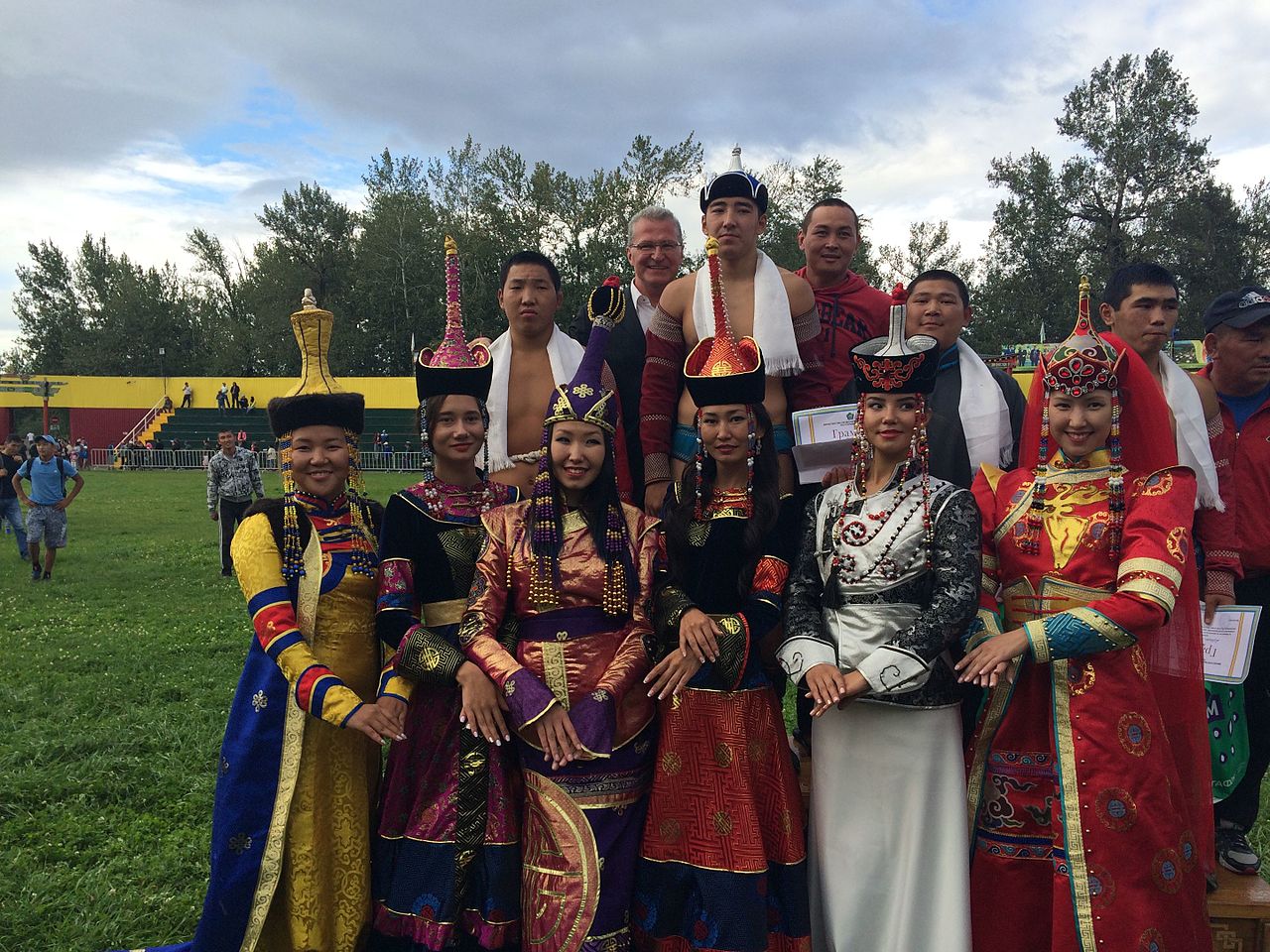
The majority population are ethnic Tuvans, with Russian and other minorities present. The Tuvan language is a Turkic language that today uses a Cyrillic-based alphabet alongside Russian for official purposes. Religious and spiritual life is distinctive: Tibetan-style Buddhism and indigenous shamanic practices coexist and often blend. Tuva is widely known internationally for throat singing (khoomei), traditional horse culture and musical instruments such as the two-stringed igil.
Economy and transport
Economic activity is dominated by animal husbandry, forestry and extractive industries, together with small-scale agriculture and local manufacturing. Rural livelihoods still rely on nomadic and semi-nomadic grazing. The republic is relatively remote: transport links are limited compared with Russia’s more populated regions, though regional air and road connections link the capital and larger settlements.
Notable facts and distinctions
- Tuva is often highlighted for its rich musical and shamanic traditions, which attract cultural tourism.
- The republic advertises sites associated with the headwaters of major Siberian rivers and has been described in popular sources as near the "center of Asia"; such claims are cultural and touristic rather than precise geographic assertions.
- Alternative transliterations include Tuva and Tyva; both are used in English-language sources.
For further reading on regional administration and geography, see linked resources about Russia's federal structure and Siberian regions (federal subjects, Siberia), and about Tuva's borderlands with Mongolia (Mongolia).
Questions and answers
Q: What is Tuva Republic?
A: Tuva Republic is one of the 85 federal subjects of Russia.
Q: How is the name of Tuva spelled?
A: The name of Tuva can also be spelled as Tyva.
Q: Where is Tuva Republic located in Russia?
A: Tuva Republic is located in south Siberia.
Q: How is Tuva Republic grouped and governed in Russia?
A: Tuva Republic is grouped and governed as part of Siberian Federal District.
Q: How many federal subjects are there in Siberian Federal District?
A: There are nine other federal subjects within Siberian Federal District.
Q: Does Tuva Republic share an international border with Mongolia?
A: Yes, Tuva Republic shares an international border with Mongolia.
Q: What is the geographical location of Tuva Republic?
A: Tuva Republic is located in south Siberia and shares an international border with Mongolia.
Related articles
Author
AlegsaOnline.com Tuva (Tyva) — Republic in southern Siberia Leandro Alegsa
URL: https://en.alegsaonline.com/art/102184