
Tuvalu — small Pacific island nation (Ellice Islands)
Tuvalu is a low-lying Pacific island state of nine atolls and reef islands, known for its vulnerability to sea-level rise, distinctive culture and language, and the .tv internet domain lease.
Overview
Tuvalu is a small island country in the central Pacific Ocean. Formerly known as the Ellice Islands, it was administered with the Gilbert Islands under the colonial entity called the Gilbert and Ellice Islands before becoming an independent state. The nation is a constitutional monarchy with the British monarch as head of state and a parliamentary government handling daily affairs.
Image gallery
10 Images


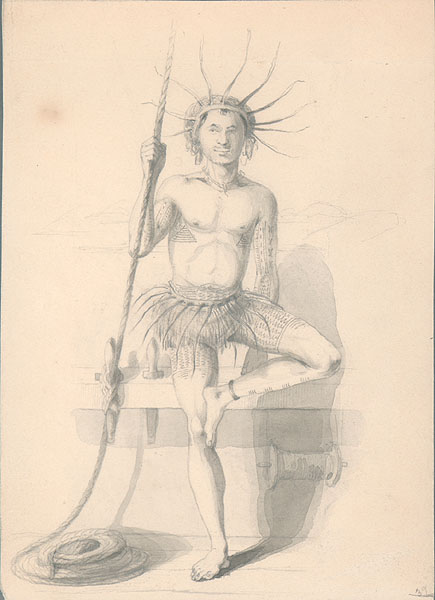


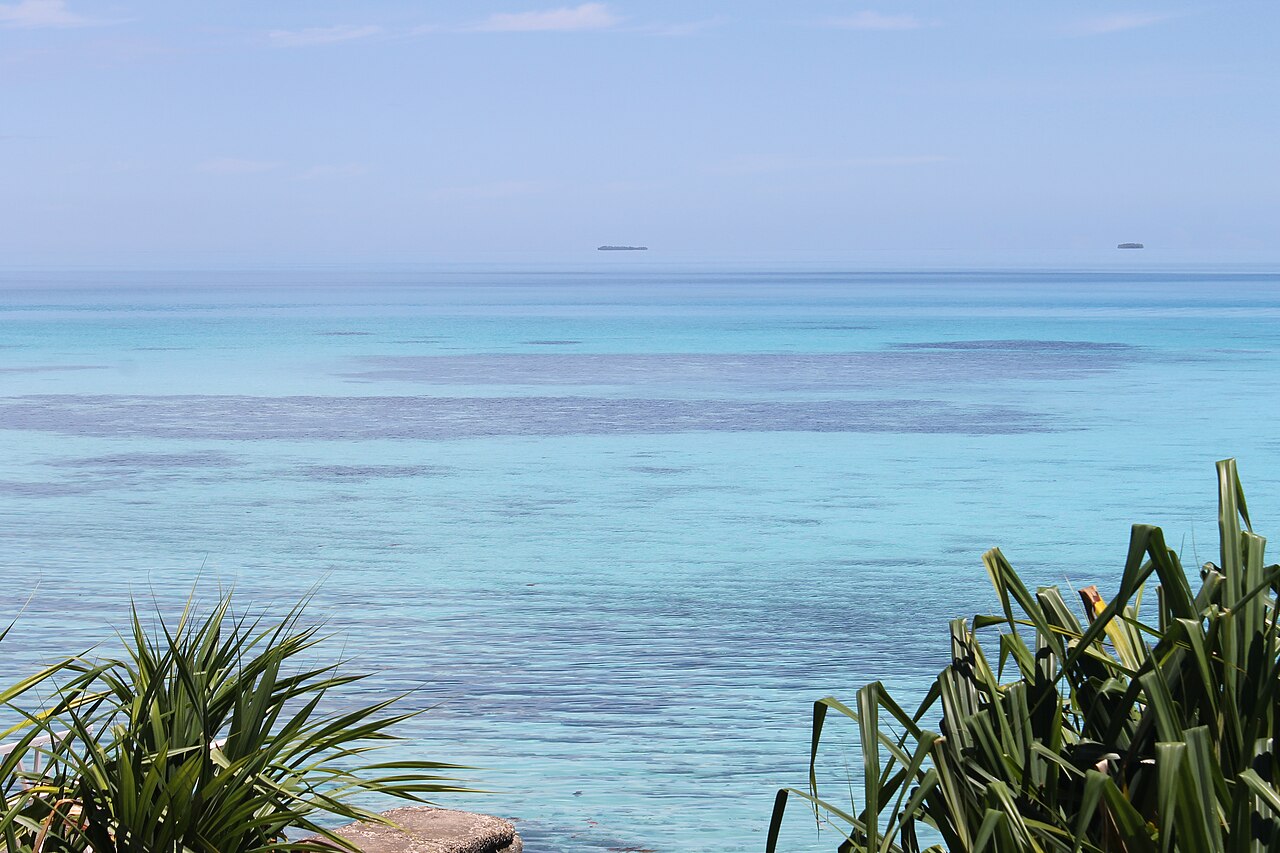
Geography and settlements
Tuvalu comprises nine coral atolls and reef islands scattered over a vast maritime area. The land area is very small and low-lying, making it especially susceptible to changes in sea level. The archipelago includes:
- Funafuti — the capital atoll and main administrative center (Funafuti).
- Nanumea
- Nanumaga
- Niutao
- Nui — where the Nuian language is spoken alongside Tuvaluan on some islands.
- Niulakita
- Nukufetau
- Nukulaelae
- Vaitupu
Although the islands occupy little land area, Tuvalu’s maritime zone and exclusive economic zone extend across a wide oceanic space, which is important for fishing rights and resources.
History and political development
Before European contact, islands of Tuvalu had distinct local chiefs and cultural practices. They were grouped as the Ellice Islands under British administration and separated from the Gilbert Islands in the 20th century. The modern state of Tuvalu achieved independence in the late 1970s and established diplomatic ties with other countries. A treaty of friendship with the United States was concluded for certain islands in 1979, clarifying competing claims arising from earlier periods of exploration and administration.
Language, culture and society
The principal language is Tuvaluan, spoken throughout the islands, and English functions as a language of administration and wider communication. Local communities maintain strong traditions of navigation, music, dance and craft. Because of the small population and dispersed settlements, family, church and village structures remain central to social life.
Economy and the .tv internet domain
Tuvalu’s economy is limited by its size and remoteness. Mainstays include subsistence agriculture, fishing, small-scale copra production, remittances from citizens working abroad, and international aid. One distinctive source of government revenue has been the country’s two-letter internet top-level domain, .tv. The government licensed marketing rights for the .tv suffix to commercial partners in the late 1990s, a deal that helped finance state needs and enabled Tuvalu to increase its international engagement, including joining multilateral organizations at the turn of the century.
Climate change, sea-level rise and outlook
Tuvalu is widely cited as vulnerable to climate change because most inhabited areas sit only a few meters above sea level. Scientific observations and projections about sea-level rise have raised concerns that some atolls may face increased flooding, salinization of soils and eventual land loss if trends continue. Discussions about adaptation, migration, and international support are central to Tuvalu’s national planning and diplomatic efforts. While dramatic statements that the country will be "covered by water" within a fixed short time are sometimes repeated in public discourse, policy-makers focus on practical measures to protect communities, preserve cultural identity and secure livelihoods.
Notable distinctions and further information
Tuvalu is one of the world’s smallest and least populous sovereign states; its compact land area contrasts with a large ocean territory. It maintains connections to its pre-independence identity by the name Ellice Islands and through customary practices. For concise official or educational resources about Tuvalu’s geography, governance, and contemporary challenges, see related country summaries and regional studies via links such as Pacific Ocean regional pages, historical archives on the Gilbert and Ellice Islands, language resources about Tuvaluan, and materials on maritime law and climate impacts. Additional administrative and reference entries may be found through general country profiles and treaty records, including the 1979 agreement with the United States and documentation about the island of Funafuti (Funafuti).
Questions and answers
Q: What is Tuvalu?
A: Tuvalu is a small island country in the Pacific Ocean that was formerly part of Gilbert and Ellice Islands. It is a monarchy and it is getting smaller due to rising sea levels.
Q: What languages are spoken in Tuvalu?
A: The most important language spoken in Tuvalu is Tuvaluan, although Nuian is also spoken on the island of Nui.
Q: When did the United States give up their claim to Tuvalu?
A: The United States gave up their claim to Tuvalu for the islands of Funafuti, Nukefetau, Nukulaelae, and Nurakita when they signed a treaty of friendship with them in 1979.
Q: How many islands make up Tuvalu?
A: There are 9 islands that make up Tuvalu - Funafuti (the capital city island), Nanumea, Nanumaga, Niutao, Nui, Niulakita, Nukufetau, Nukulaelae and Vaitupu.
Q: What Internet Domain name does Tuvalu have?
A: The Internet Domain name for Tuvalu is .tv.
Q: Who negotiated with Information.CA following delays in payment of US$50 million?
A: Idealab, a Californian company became involved in 1999 and assumed the $50 million obligation to be paid over 10 years after negotiations with Information.CA followed from delays in payment of US$50 million.
Q: When did Lou Kerner become CEO of .tv ?
A: Lou Kerner became the first employee of .tv when he joined as CEO in January 2000
Related articles
Author
AlegsaOnline.com Tuvalu — small Pacific island nation (Ellice Islands) Leandro Alegsa
URL: https://en.alegsaonline.com/art/102187
Sources
- commons.wikimedia.org : Tuvalu
- undp.org : "Tuvalu: Millennium Development Goal Acceleration Framework – Improving Quality of Education"
- cia.gov : "Tuvalu"
- springerlink.com : "Sea level rise: Some implications for Tuvalu"
- doi.org : 10.1007/BF02241827
- news.bbc.co.uk : "Tuvalu struggles to hold back tide"
- thecommonwealth.org : Commonwealth Secretariat - Member States
- wikidata.org : wikidata.org/wiki/Q672
- catalogue.bnf.fr : cb11951467h
- data.bnf.fr : (data)
- d-nb.info : 4107331-9
- isni.org : 0000 0001 2182 2167
- id.loc.gov : n81035231
- musicbrainz.org : 529117db-25de-3d09-9722-b54937a17590
- catalog.archives.gov : 10035728