
Central Asia: geography, peoples, history and modern significance
Concise guide to Central Asia: its countries and borders, major physical features, historical influences, economic importance, and contemporary political context.
Overview
Central Asia is a large, often-contested region of the Asian continent defined by shared geography, history and cultural links rather than a single political boundary. The area sits between the Caspian Sea and the western reaches of China and Mongolia and has long served as a bridge between East and West. For general reference see regional overview and its place within Asia.
Image gallery
10 Images




Geography and countries
The modern core states commonly associated with Central Asia are listed in various international sources; an overview of the central governments and territories appears in lists of countries. The principal independent countries are Kazakhstan, Kyrgyzstan, Uzbekistan, Turkmenistan and Tajikistan. Many definitions also include parts of neighbouring states, notably western China and areas of Mongolia. The United Nations sometimes treats international groupings differently and includes Afghanistan in regional considerations.
Topography varies from vast steppes and deserts to high mountain ranges. The Tian Shan and Pamir systems dominate the southeastern zones while broad plains and basins characterize the north and northwest. Rivers and inland seas, historical trade routes and scarce arable land shape settlement patterns and economic activity.
History and cultural character
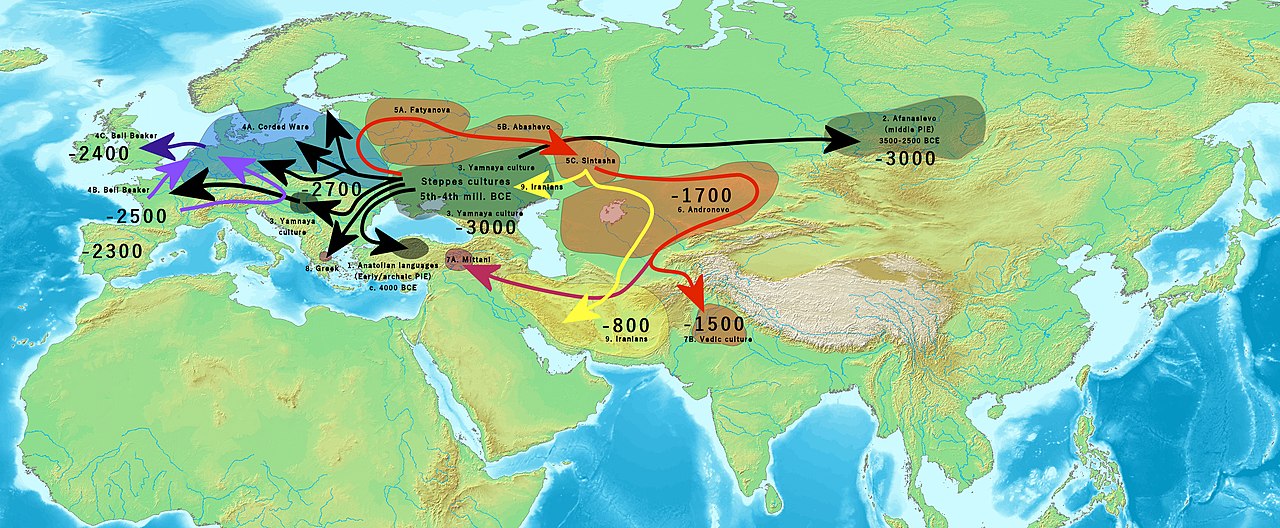
Central Asia has been a crossroads for nomadic traditions and sedentary civilizations. It was traversed by the Silk Road and influenced by Turkic, Persian and later Russian and Soviet presences. Languages, religions and social structures reflect this layered past: Turkic languages are widespread, Persian cultural influences persist, and Islam has played a major role alongside local customs.
Economy, resources and importance
The region's economies are diverse: energy resources such as oil and natural gas are significant in parts of the north and west, while mining, cotton and pastoralism matter elsewhere. Central Asia's location continues to give it strategic importance for trade, pipelines and transport corridors linking Europe, East Asia and South Asia.
Contemporary politics and distinctions
Since the dissolution of the Soviet Union, the five former Soviet republics developed different political systems and external alignments. Regional cooperation and rivalry coexist with cooperation initiatives and international engagement. Border definitions and which neighboring territories are included in the term "Central Asia" can vary by source, so consult institutional treatments such as those by international organizations for specific classifications.
Useful perspectives
- Geographic: climate zones, major mountain ranges and basins.
- Cultural: languages, religions and historical trade routes.
- Political: post-Soviet states, regional organizations and external partnerships.
This entry provides a concise framework for understanding Central Asia; each country and subregion has its own detailed history, economy and social landscape that merits separate exploration.
Questions and answers
Q: What countries are part of Central Asia?
A: The countries that are part of Central Asia are Kazakhstan, Kyrgyzstan, Uzbekistan, Turkmenistan, Tajikistan, parts of China, and Mongolia.
Q: What type of states are most of the countries in Central Asia?
A: Most of the countries in Central Asia are Turkic states.
Q: Which country is included as part of Central Asia by the United Nations?
A: Afghanistan is included as part of Central Asia by the United Nations.
Q: What is Central Asia?
A: Central Asia is a region in Asia consisting of several countries.
Q: How many countries are there in Central Asia?
A: There are six countries in Central Asia - Kazakhstan, Kyrgyzstan, Uzbekistan, Turkmenistan, Tajikistan, and parts of China and Mongolia.
Q: What is the significance of Central Asia in the world?
A: Central Asia is a region with rich cultural and historical significance and also serves as an important hub for trade and transportation.
Q: What are the major languages spoken in Central Asia?
A: The major languages spoken in Central Asia include Turkic languages, Persian, Russian, and Mandarin Chinese.
Related articles
Author
AlegsaOnline.com Central Asia: geography, peoples, history and modern significance Leandro Alegsa
URL: https://en.alegsaonline.com/art/18009