
Turpan (Turfan): Oasis city and cultural center in Xinjiang
Turpan is an oasis city in the Turpan Depression of Xinjiang, China, noted for its karez irrigation, grape cultivation, Silk Road ruins and archaeological sites.
Overview
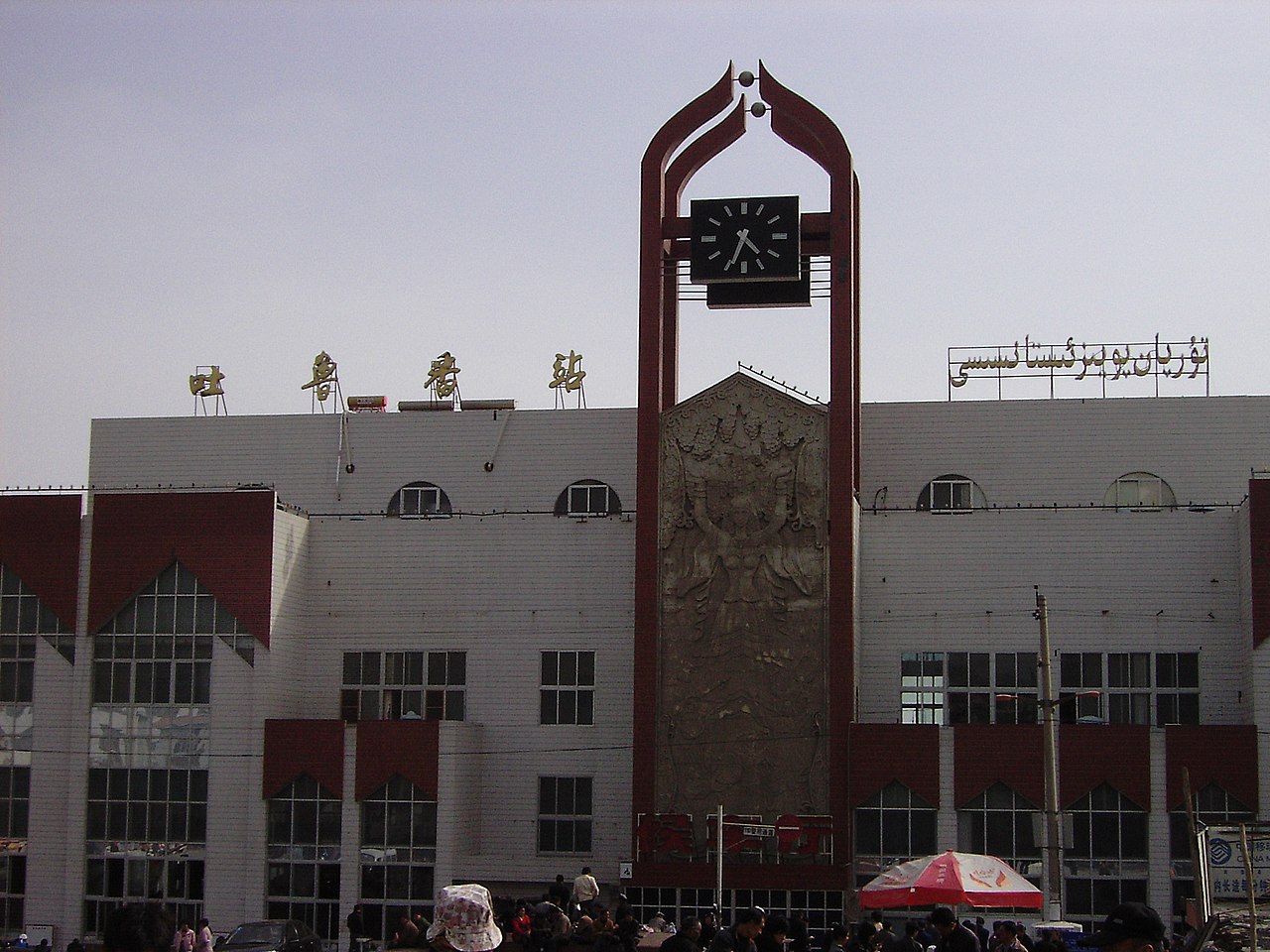
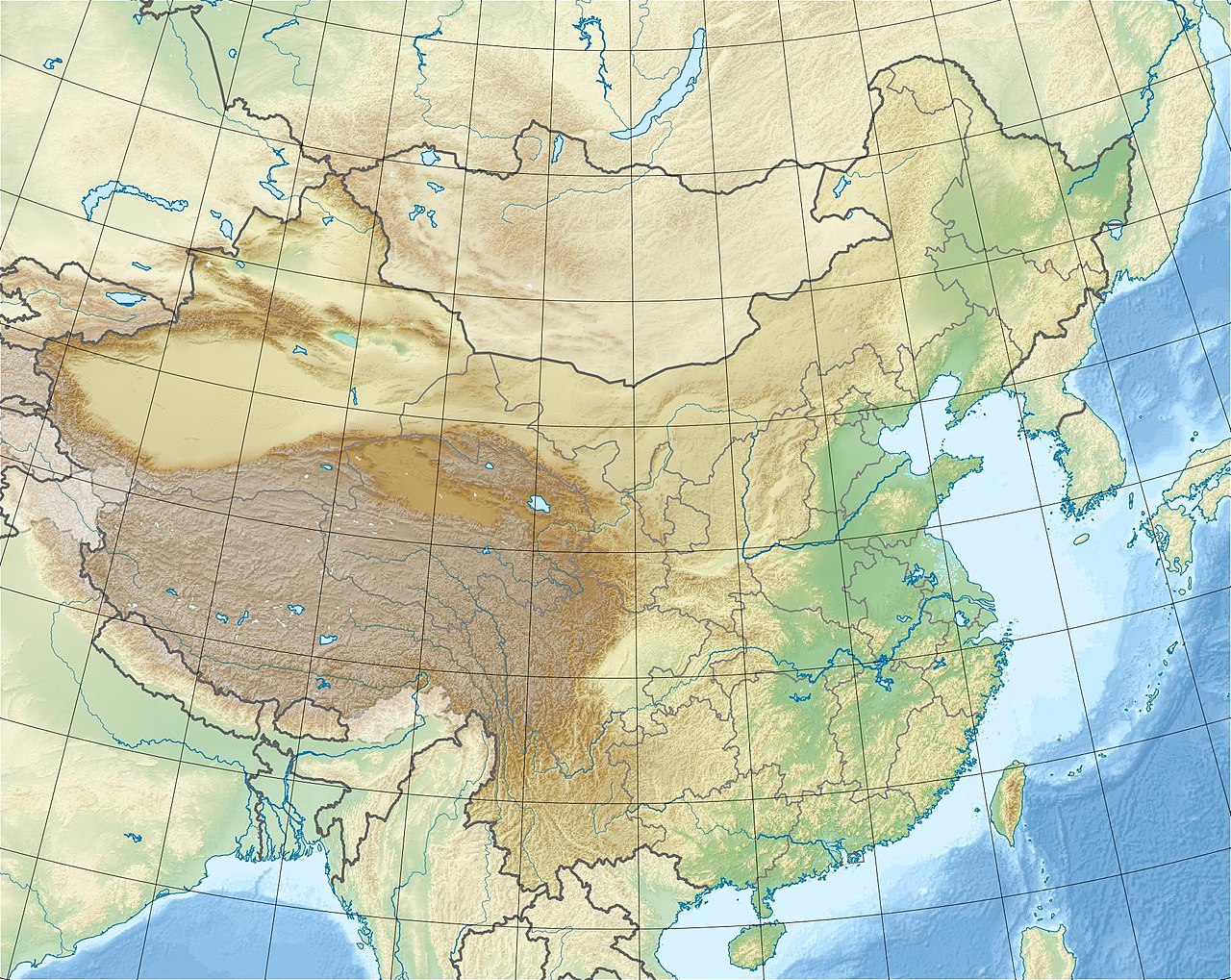
Turpan, also written Turfan or Tulufan in Chinese, is an oasis county-level city in the Xinjiang region of northwestern China. It lies in the low-lying Turpan Depression, one of the hottest and driest parts of the country, and has been a vital stop on historical trade routes. The city's names appear in many languages and travel accounts; for example see Turfan, Xinjiang Uyghur Autonomous Region and China for regional context.
Image gallery
10 Images





Geography and climate
Turpan occupies a basin surrounded by mountain ranges. Its depression drops well below sea level, creating extreme heat in summer and strong evaporation. Despite aridity, fertile pockets near the city support intensive agriculture thanks to ancient water management. The local environment shapes settlement patterns, architecture and transport routes.
Irrigation, agriculture and economy
The city's agriculture is best known for grapes, melons and dried fruits; Turpan raisins and sweet melons are widely traded. Key to cultivation is the karez — an underground canal system that taps mountain runoff and conveys it to fields while minimizing evaporation. This traditional irrigation network has been central to local livelihoods for many centuries.
History and archaeology
Turpan grew as an important Silk Road hub where merchants, pilgrims and envoys crossed into China. The area preserves extensive ruins and archaeological remains from ancient kingdoms, Buddhist monasteries and medieval trade centers. Archaeological sites provide evidence of long-term cultural exchange between China, Central Asia and beyond.
Cultural significance and tourism
Today Turpan attracts visitors interested in history, Uyghur culture, and distinctive landscapes. Notable places include:
- Gaochang and Jiaohe ruins — ancient city sites with well-preserved foundations.
- The Flaming Mountains — red sandstone slopes famous in local legend and literature.
- Traditional Uyghur neighborhoods, bazaars and the Emin Minaret (a notable mosque tower).
- Sections of the karez system and museums displaying Silk Road artifacts.
Turpan remains a living cultural crossroads: its blend of agriculture, historic sites and ethnic traditions illustrates how settlements adapted to a harsh environment while connecting distant regions across centuries.
Related articles
Author
AlegsaOnline.com Turpan (Turfan): Oasis city and cultural center in Xinjiang Leandro Alegsa
URL: https://en.alegsaonline.com/art/102140