
Travesti (theatrical cross‑gender performance)
Travesti is the theatrical convention of casting performers as characters of the opposite sex, used across opera, ballet, theatre and musical theatre for vocal fit, dramatic effect, tradition or practical casting.
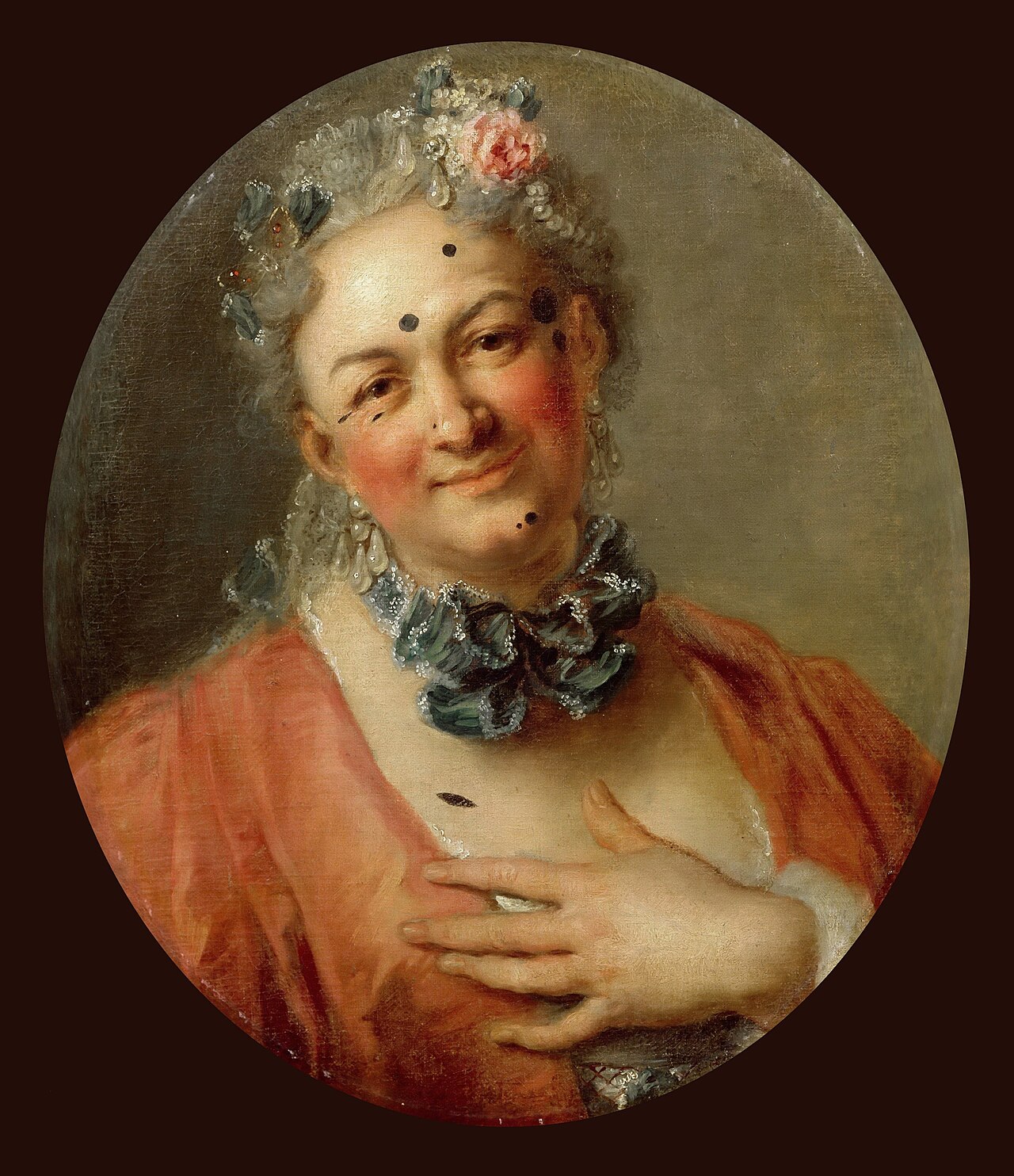
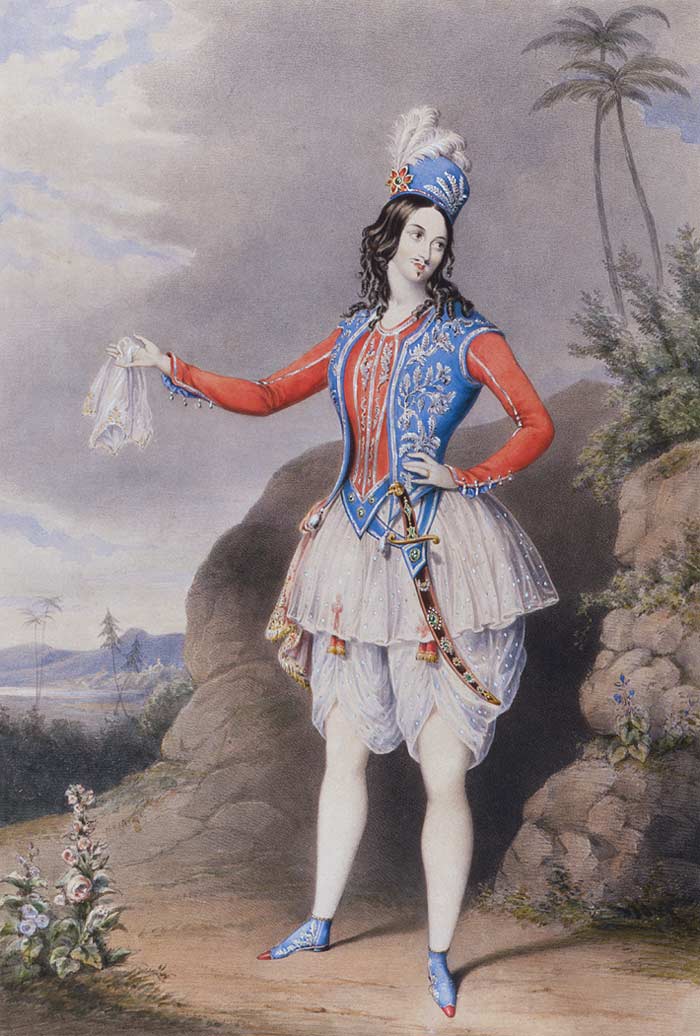
Travesti (from the idea of being “disguised”) is a theatrical convention in which a performer portrays a character of the opposite sex. The practice appears across stage art-forms and eras: spoken drama, opera, ballet and musical theatre have long made use of cross-gender casting for a variety of reasons. For general context see theatre and discussions of cross-gender casting at opposite-gender performance.
Image gallery
10 Images







Terminology and common forms
Several specific terms are used to describe particular travesti forms. A “breeches role” or “trouser role” usually denotes a woman cast as a young man or boy and dressed in male clothing; this is common in opera because of vocal and dramatic considerations. The French phrase en travesti or simply travesti indicates a performer placed in the clothing and manner of the other sex. These theatrical terms are distinct from, though sometimes related to, traditions of drag performance and from questions of performers’ personal gender identities.
Historical background
Cross-gender casting has deep historical roots. In some periods and places social or legal restrictions once prevented women from appearing onstage, which led to men or boys playing female roles. At other times, as musical and dramatic repertories developed, female singers routinely portrayed adolescent or young male characters because their vocal range better suited the music and because the dramatic effect was desirable. Over centuries composers, librettists and choreographers often wrote parts with these expectations in mind, reinforcing travesti as an established casting practice.
Musical and dramatic reasons
- Vocal range: some male characters are written for higher voices and are therefore sung by mezzo-sopranos or contraltos in opera.
- Physical and dramatic effect: cross-gender casting can create specific stage images, comic situations or deliberate ambiguities around gender and identity.
- Tradition and repertory: long-standing performance practice often preserves travesti roles from earlier eras.
- Practical casting: availability of suitable singers, dancers or actors and directors’ artistic concepts also influence the choice.
Notable examples
Travesti roles are prominent in the operatic and balletic repertory. In opera, familiar examples include roles such as Cherubino in The Marriage of Figaro, Siebel in Faust, and Octavian in Der Rosenkavalier. In ballet, some houses historically cast the role of Frantz in Coppélia en travesti, and character roles such as Carabosse in The Sleeping Beauty are often performed by men in woman’s costume. Prokofiev’s Cinderella sometimes features male dancers in the comic roles of the stepsisters. In musical theatre and family entertainment, the title role in stage productions of Peter Pan has commonly been played by a woman on Broadway and elsewhere.
Contemporary perspectives
Modern productions frequently re-evaluate travesti practice in light of current ideas about gender, representation and inclusion. Some directors preserve historical casting for stylistic reasons; others deliberately subvert or reassign roles to highlight themes or to broaden opportunities for performers with diverse gender identities. Critical discussion tends to distinguish between the theatrical device of wearing another gender in performance and a performer’s own gender identity or offstage life.
Performance practice and reception
When mounting travesti roles, companies consider vocal fach, physical characterization, costume and audience expectation. Reviews and scholarship examine how cross-gender casting affects interpretation: it can underline innocence or ambiguity in a young male character, heighten comedy in pantomime and character roles, or serve as a tool for contemporary commentary on gender norms. For further reading on historical practice and modern approaches, see resources on theatre, specialized studies of opera and surveys of ballet.
Related articles
Author
AlegsaOnline.com Travesti (theatrical cross‑gender performance) Leandro Alegsa
URL: https://en.alegsaonline.com/art/101261