
Peter Pan: character, origins, themes, and cultural legacy
Peter Pan is J. M. Barrie’s boy who refuses to grow up. This article summarizes the character, setting, creation, major themes, principal figures, and enduring adaptations and influence.
Overview
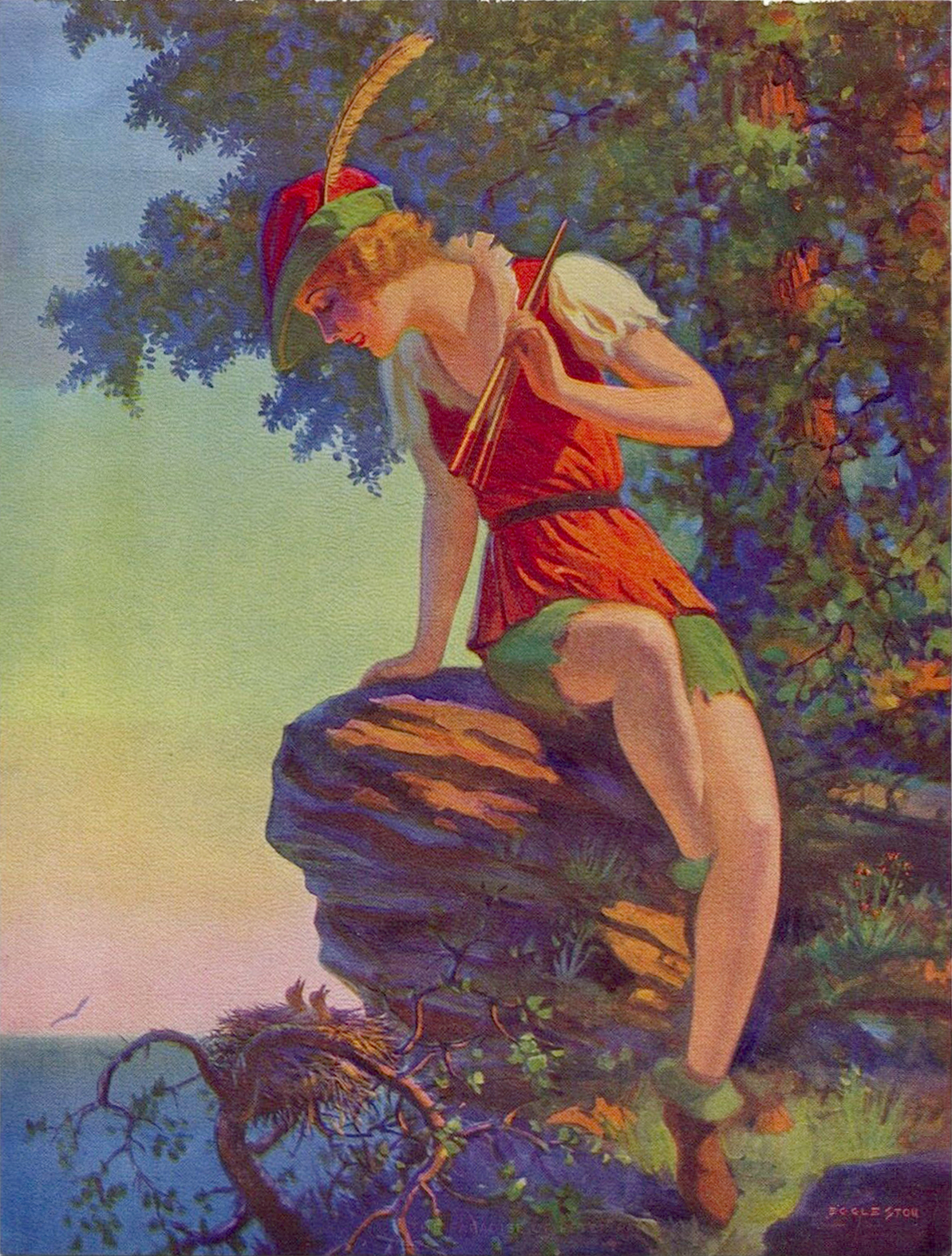
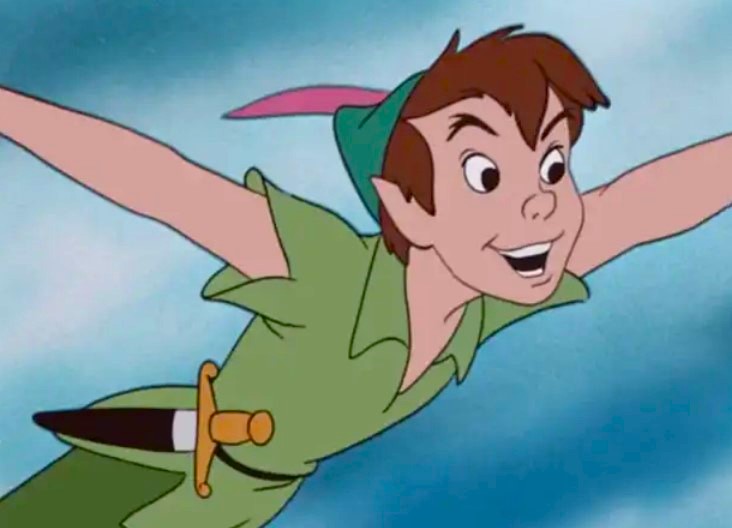
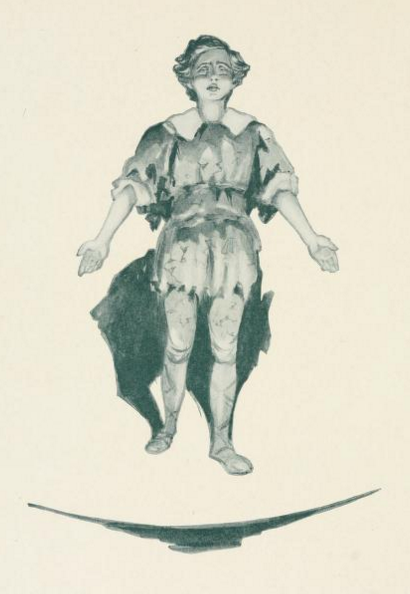
Peter Pan is a fictional boy created by Scottish author J. M. Barrie. He is best known for remaining forever young, for his ability to fly, and for leading the Lost Boys in the island world of Neverland. Peter’s adventures combine whimsy and danger: he befriends fairies and mermaids, battles pirates, and resists the adult roles he sees as confining. Much of his charm comes from a mixture of playfulness, bravado, and a certain moral ambiguity that has invited reinterpretation.
Image gallery
10 Images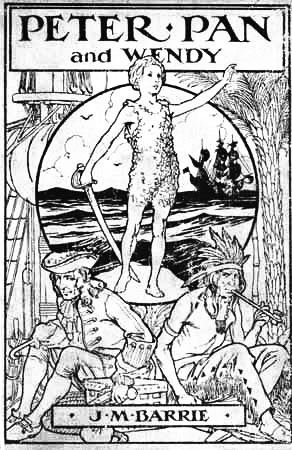



Characters and setting
The principal figures surrounding Peter include:
- Tinker Bell, a small but fiercely loyal fairy often depicted as jealous and protective — Tinker Bell plays an important dramatic role.
- The Lost Boys, children who, like Peter, do not grow up and form his informal family on the island — they represent freedom and perpetual play from adulthood.
- Captain Hook, a cultured but vengeful pirate captain whose enmity with Peter centers on a missing hand and a fearsome, ticking crocodile.
Origins and publication
Peter Pan originated on the stage and later appeared in prose. J. M. Barrie introduced the character in plays and short stories before publishing the full novel that popularized the story. Barrie’s original dramatic presentation emphasized theatrical spectacle, while later book versions expanded character detail and narrative scope. The tale’s theatrical roots explain its episodic structure and its memorable, stage-friendly episodes of flight, rescue, and comic confrontation.
Themes and interpretations
At its heart, the story contrasts childhood and adulthood. Themes include the value of imagination and play, the costs of refusing maturity, and complicated family attachments. Peter can fly through belief and magic, a literalization of imagination’s liberating power. Critics and scholars have noted both its celebration of youth and its darker undertones, such as abandonment and the loss implicit in growing up.
Adaptations and legacy
Peter Pan has been adapted across media: stage revivals, films, television series, and musicals have retold or reworked the story. Notable versions have emphasized different aspects — adventure, comedy, or psychological nuance. Barrie later assigned performance and publication rights to a children’s hospital in London, ensuring an ongoing philanthropic connection. The character remains a cultural shorthand for resistance to adulthood, and references to "being a Peter Pan" appear widely in literature and popular discussion.
Notable facts
- The story’s image of a boy who can fly by thinking happy thoughts has become an enduring metaphor.
- Peter’s moral ambiguity and the tale’s mix of wonder and menace invite frequent reinterpretation in new artistic works.
- Major adaptations continue to introduce the story to new generations.
For more detailed discussions of the original play, later novelizations, and specific adaptations, consult dedicated literary and theatrical sources. Peter Pan, J. M. Barrie, and the island of Neverland remain touchstones of children’s literature and modern mythmaking.
Related articles
Author
AlegsaOnline.com Peter Pan: character, origins, themes, and cultural legacy Leandro Alegsa
URL: https://en.alegsaonline.com/art/76131