
Trickery: deception, illusion and misdirection
Trickery is the act of misleading others through deception, illusion or misdirection. It appears in entertainment, games, fraud, social influence and military tactics, raising practical and ethical issues.
Trickery refers broadly to actions and techniques intended to mislead, confuse or create a false impression. It can take the form of deliberate misdirection of attention, visual or cognitive illusions, verbal distortions, or staged situations designed to produce beliefs that do not match reality. Some forms of trickery are consensual and recreational, while others are intended to exploit or harm.
Image gallery
5 Images


Common forms and characteristics
- Stage illusion and sleight of hand: theatrical tricks performed to entertain an audience, using practiced manual skill and controlled attention to create apparent impossibilities (see magic).
- Visual and cognitive illusions: phenomena that lead observers to perceive something inaccurately, often studied in psychology and referred to as an illusion or a false perception.
- Confidence and fraud-based tricks: schemes that rely on trust, social pressure or deceptive narratives to obtain money, information or advantage, such as many forms of gambling-related cheating or cons.
- Verbal and social misdirection: rhetorical tricks, misleading explanations, or staged interactions used to shape beliefs or behavior without obvious physical manipulation.
History and cultural role
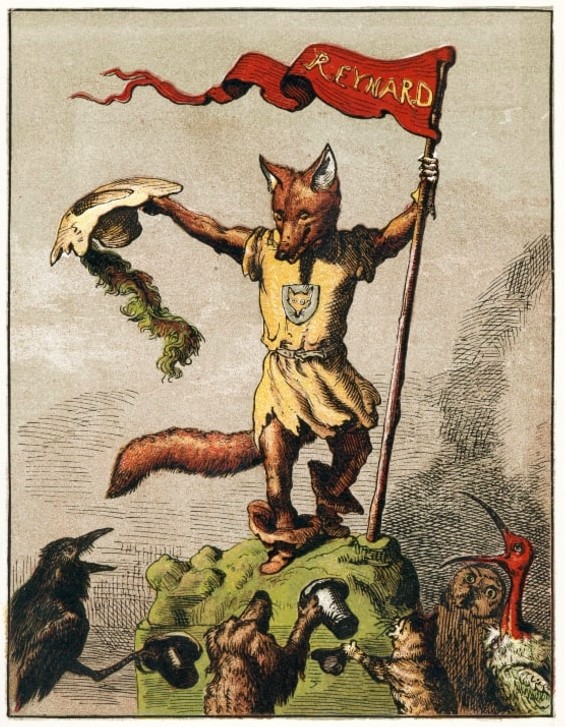
Trickery is ancient and cross-cultural: storytellers, performers and strategists have used deception for entertainment, survival and tactical advantage. From folk tales that celebrate cleverness to elaborate stage acts, human societies have both admired skillful trickery and condemned deceit. Cultural attitudes often hinge on context and consent—when trickery is recognized as play, it is tolerated or valued; when it exploits vulnerability, it is stigmatized or illegal.
Uses, examples and importance
Trickery appears in many domains. Performers use it for wonder and amusement, turning artful misdirection into shared pleasure; audiences who knowingly accept the illusion treat it as legitimate entertainment. In contrast, criminals and con artists deploy similar techniques to defraud victims. Military and intelligence operations sometimes rely on deception for strategic advantage. Modern concerns include so-called social engineering attacks that manipulate people into revealing secrets and staged illusions used in media and advertising.
Ethics, legality and detection
Whether trickery is acceptable depends on consent, harm and purpose. Consensual illusions are generally lawful and ethically benign; trickery that causes financial loss, breaches privacy or endangers safety may be criminal. Detecting harmful trickery often requires skepticism, verification, and awareness of common methods. Education, regulation and technical defenses aim to reduce exploitative practices while preserving benign forms of illusion and play.
Notable distinctions and uses of the word
In everyday speech 'trick' has several senses: a clever tactic, an entertainment routine, or dishonest deception. It also appears in slang: for example, one meaning of trick denotes a client of a sex worker. Because the term spans neutral, laudatory and pejorative uses, writers should clarify context. For further reading on performance magic, deception research and related topics, see resources on illusion studies and materials about magic and anti-fraud techniques.
Questions and answers
Q: What is trickery?
A: Trickery is the act of misdirection or an illusion.
Q: What are some examples of trickery?
A: Magic tricks are an example of trickery. Lying or misdirecting someone in order to win a game or gamble is also trickery.
Q: Can magic tricks be enjoyable for the audience?
A: Yes, magic tricks can be enjoyable for the audience, especially if they know it's all tricks.
Q: What does a trick mean when it comes to gambling?
A: A trick can mean to lie or misdirect a person in order to win the game they are playing.
Q: Is trick a term used in reference to prostitution?
A: Yes, trick is slang for a prostitute's client.
Q: Is trickery always negative?
A: Trickery doesn't have to be negative, but it usually involves deceiving or misleading someone.
Q: How is trickery different from deception?
A: Trickery is a type of deception, but it usually involves more active misdirection or manipulation.
Related articles
Author
AlegsaOnline.com Trickery: deception, illusion and misdirection Leandro Alegsa
URL: https://en.alegsaonline.com/art/101482