
Der Rosenkavalier (Richard Strauss)
Der Rosenkavalier, a comic opera in three acts by Richard Strauss with a libretto by Hugo von Hofmannsthal, set in 18th‑century Vienna; famed for its waltzes, trouser role Octavian, and enduring popularity.
Der Rosenkavalier is a comic opera in three acts composed by Richard Strauss with a libretto by Hugo von Hofmannsthal. Premiered in Dresden on 26 January 1911, it rapidly entered the standard operatic repertory and remains one of the most frequently performed German-language operas of the 20th century. The work evokes an idealized Vienna in the era of Empress Maria Theresa and combines witty social comedy with moments of tender nostalgia.
Image gallery
7 Images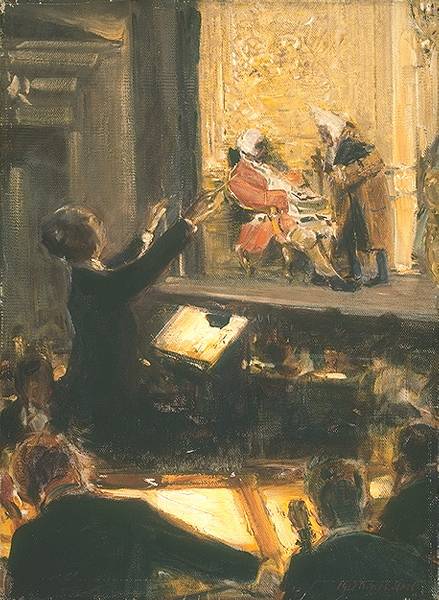


Composition, libretto and setting
Strauss composed the score while Hofmannsthal provided a poetic and carefully structured libretto. The authors deliberately shaped a late‑18th‑century Viennese world: courtly ceremonies, elegant salons and the ritual of the "rose cavalier" — a young man who delivers a silver rose to a bride as a token of betrothal. Though written at the start of the 20th century, the opera looks back with both affection and irony at aristocratic manners and the passing of time.
Plot and principal characters
The opera centers on a small ensemble of characters whose relationships combine comedy and poignant change. The principled but aging Marschallin, a reigning aristocrat, faces the departure of her young lover, Octavian — a youthful count traditionally sung by a mezzo-soprano in a trouser role. Octavian is tasked as the Rosenkavalier, bearing a silver rose to Sophie, a young noblewoman whose imminent marriage and new social standing prompt questions of duty and genuine feeling. Other important figures include the comic and boorish Baron Ochs and Sophie's upwardly mobile father, Faninal. Through intrigues, disguises and private conversations the opera examines love, honor and social transformation.
Music, style and notable moments
Musically, Der Rosenkavalier is known for its sensuous orchestration, expansive lyricism and recurrent waltz rhythms that conjure Vienna's dance culture. Strauss blends late‑Romantic harmonic richness with light, chamberlike ensembles and richly scored orchestral passages. Moments often singled out by audiences are the elegant "Presentation of the Rose," the intimate monologues of the Marschallin, and the sextet and final trio that balance comedy with wistful acceptance. The work demands singers capable of both vocal warmth and nuanced acting — particularly for the Marschallin and the trouser role of Octavian.
Performance history and legacy
Since its Dresden premiere the opera quickly spread to major houses in Europe and beyond. Its combination of high musical craftsmanship, theatrical comedy and deeply felt character scenes has secured a place in the repertory. Directors and conductors often emphasize either the period elegance of the libretto or the bittersweet modern reflections embedded in the score, producing diverse but consistently popular interpretations. Recordings and staged productions have helped maintain its visibility among audiences and students of opera.
Further resources
- General overview and synopsis
- Richard Strauss: composer biography
- The libretto by Hugo von Hofmannsthal
- Hofmannsthal: poet and collaborator
- Background on the librettist
- Dresden premiere and early reception
- Premiere date and historical notes
- Performance history in international opera houses
- 20th‑century German opera context
- Works from the same period
- Vienna in the time of Maria Theresa
- Aristocratic society and ceremonial life
- The silver rose tradition and symbolism
- The role of the Rosenkavalier in ceremony
- Suggested recordings and critical studies
Der Rosenkavalier remains an exemplary fusion of lyric music, theatrical finesse and reflective characterization. It continues to be studied, staged and cherished for its ability to balance comic plot mechanics with moments of profound human feeling.
Questions and answers
Q: Who composed Der Rosenkavalier opera?
A: Richard Strauss composed Der Rosenkavalier opera.
Q: Who wrote the libretto for Der Rosenkavalier?
A: Hugo von Hofmannsthal wrote the libretto for Der Rosenkavalier.
Q: When was Der Rosenkavalier first performed?
A: Der Rosenkavalier was first performed on 26 January 1911 in Dresden.
Q: Was Der Rosenkavalier successful?
A: Yes, Der Rosenkavalier was an immediate success.
Q: Is Der Rosenkavalier still popular today?
A: Yes, Der Rosenkavalier is still a very popular opera in opera houses all over the world.
Q: When is the story of Der Rosenkavalier supposed to be happening?
A: The story of Der Rosenkavalier is supposed to be happening in Vienna in the time of the Empress Maria Theresa (mid to late 18th century).
Q: What is the significance of the title of the opera?
A: The title of the opera refers to the silver rose which was traditionally sent by a bridegroom to his bride and was brought by a knight (the Knight of the Rose), symbolizing the elegant life of aristocratic society of that time.
Related articles
Author
AlegsaOnline.com Der Rosenkavalier (Richard Strauss) Leandro Alegsa
URL: https://en.alegsaonline.com/art/26733