
West End theatre: London's commercial stage district
The West End is London's principal mainstream theatre district, known for long-running musicals and plays, large commercial houses, a tourism draw, and a history linked to 19th-century theatrical growth.
Overview
The term West End theatre refers to the mainstream professional stage work presented in central London’s theatre district. It encompasses a mix of large commercial houses and smaller auditoria staging plays, musicals and revivals. The West End plays a role similar to that of Broadway in New York, serving as a focal point for major productions, transfers and international visitors. Many listings and directories describe these works as stage productions concentrated in the West End of London.
Image gallery
10 Images



Characteristics
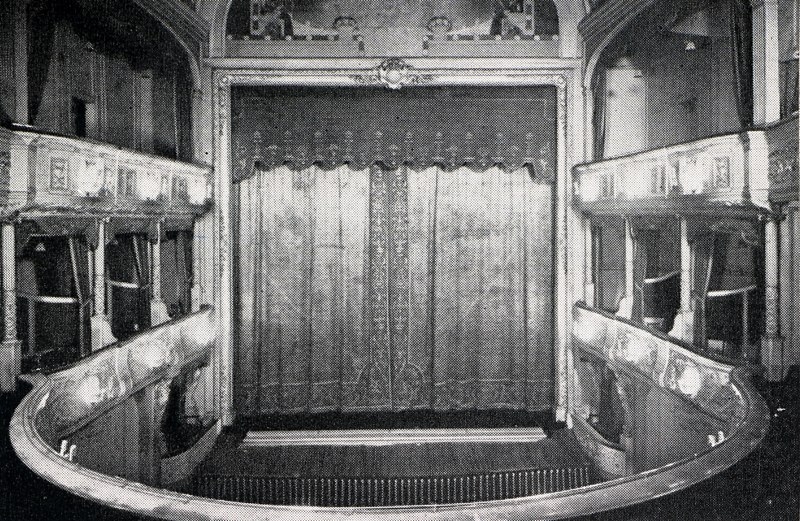
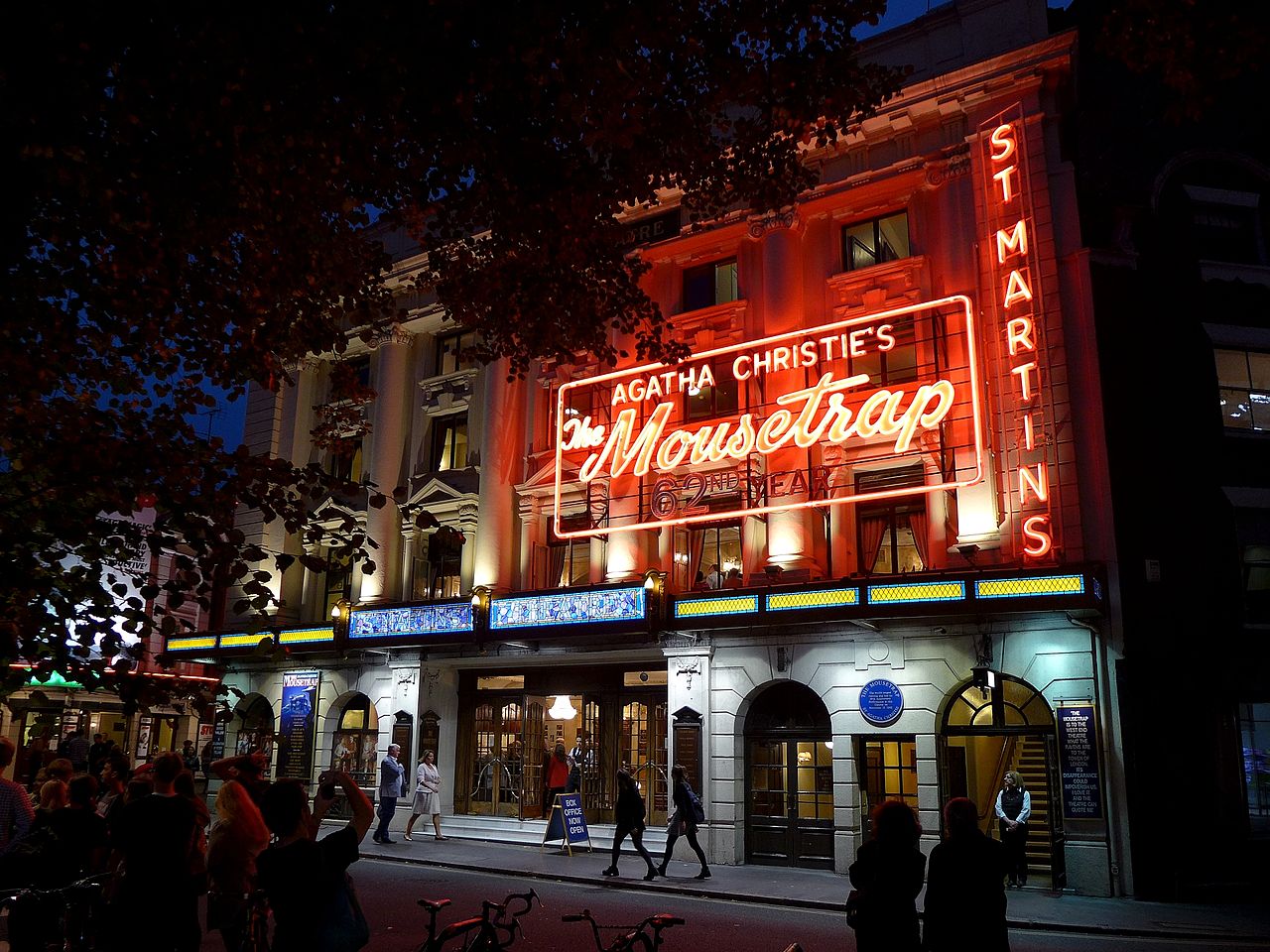
West End shows range from large-scale musicals with elaborate sets to intimate dramatic plays. Houses vary from historic Victorian theatres to modern auditoria; front-of-house design, orchestra pits and fly-towers often distinguish venues. Commercial producers aim for long runs while subsidised companies and co-productions can bring new writing and experimental work to the area.
History
The district’s development accelerated in the 19th century with urban expansion and improved transport. Over decades the West End attracted star performers, playwrights and composers, establishing a professional ecosystem of producers, agents and technicians. It has long been a place where British drama and international imports meet, and where works sometimes transfer between London and other major markets.
Notable shows and examples
Both classic plays and modern musicals appear on West End stages. Long-running and frequently revived titles include traditional drama such as Macbeth, King Lear and Othello, alongside popular musicals and family shows. Examples of productions that have played in the West End include Joseph and the Amazing Technicolor Dreamcoat, The Sound of Music, Dirty Dancing, Billy Elliot, Hairspray, Spamalot, Avenue Q, Wicked and Grease (Grease).
Economic and cultural impact
The West End is a significant contributor to London’s cultural tourism and creative economy. Attendance runs into the millions annually — for example, in 2007 about 13.6 million people attended West End performances — and the sector supports thousands of jobs in performance, production and hospitality. The area also drives exportable cultural products through tours and cast recordings.
Distinctions and contemporary role
While often compared with Broadway, the West End has its own awards, institutions and traditions. It continues to balance commercial successes with artistic experimentation, and to act as a marketplace where successful shows may transfer internationally or inspire regional productions. For audiences, it remains a primary destination for mainstream professional theatre in the UK.
Related articles
Author
AlegsaOnline.com West End theatre: London's commercial stage district Leandro Alegsa
URL: https://en.alegsaonline.com/art/107364
Sources
- telegraph.co.uk : "TV talent shows help West End shows to record audience"