
Ventriloquism: the art of voice projection and puppet performance
Ventriloquism is a performance art in which a speaker makes their voice appear to come from elsewhere, often a puppet. This article explains techniques, history, uses, and distinguishing features.
Ventriloquism is a performing art in which a person deliberately alters or masks the apparent origin of their voice so it seems to come from another source. That source is commonly a puppet, puppet head or dummy operated by the performer, but it can also be an offstage character or an imagined speaker. A practitioner is called a ventriloquist.
Image gallery
8 Images

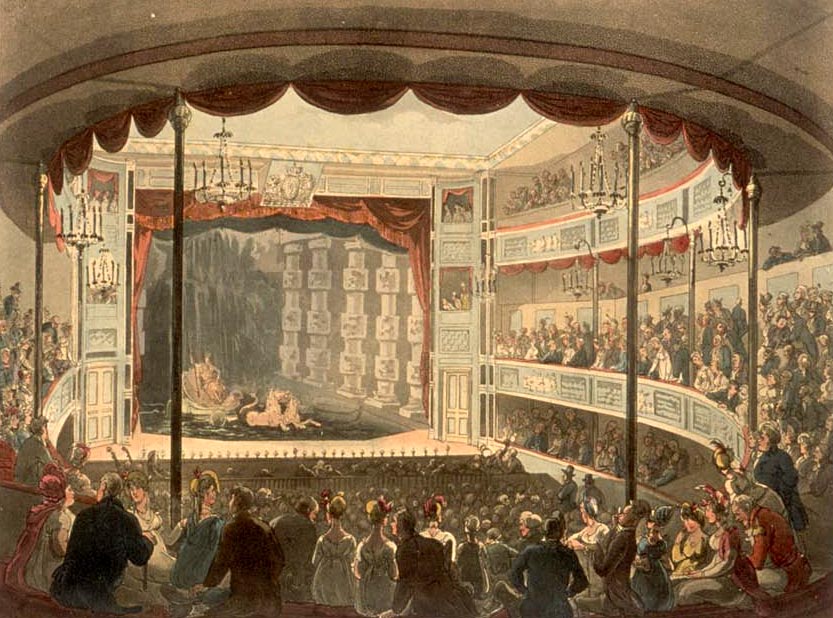
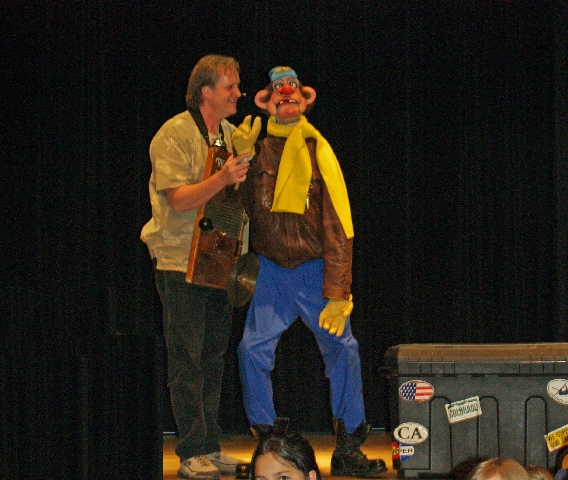
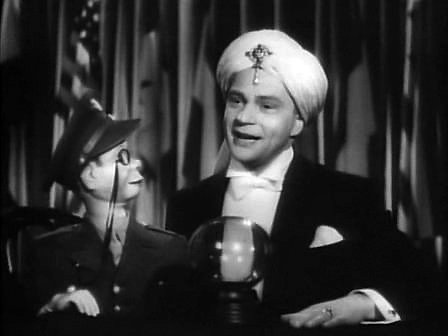


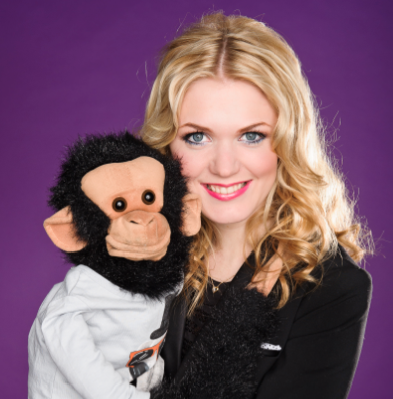
Characteristics and technique
Successful ventriloquism depends on two complementary skills: producing intelligible speech while minimizing visible mouth movement, and creating a distinct character voice or personality for the 'other' speaker. Techniques often include:
- Controlled articulation and substitution of consonants to reduce lip motion.
- Use of breath control and resonance to change pitch and timbre.
- Body language, timing and eye contact to sell the illusion.
Parts and props
Common props are hand puppets and carved dummies with movable jaws, but some ventriloquists use simple puppetry, shadow play or offstage cues. Costuming, voice contrast and scripted interaction enhance the performance.
History and development
The practice has roots in ancient ritual and storytelling traditions where voices were attributed to objects or spirits. Over time it moved into popular entertainment and vaudeville, later appearing on radio, television and live comedy stages. Modern practitioners blend classic techniques with contemporary comedy, improvisation and multimedia.
Uses and cultural role
Ventriloquism serves multiple purposes: comic relief, character-driven storytelling, social satire and educational demonstration. It can be used in family entertainment, theater, children's programs and sometimes therapeutic or pedagogical settings. Audiences respond to the interplay between performer and puppet and to the suspension of disbelief.
Distinctions and notable facts
Ventriloquism differs from ventriloquy in scope: some use the terms interchangeably, but ventriloquy is also used to describe claimed supernatural phenomena in which an unseen voice is heard. Contemporary stage ventriloquists emphasize skill, character work and ethical entertainment practices. For more on theatrical context see stage theater overview, and for puppetry techniques consult introductory resources such as puppet guides.
Related articles
Author
AlegsaOnline.com Ventriloquism: the art of voice projection and puppet performance Leandro Alegsa
URL: https://en.alegsaonline.com/art/104591