
West Side Story
A landmark American musical (1957) that reimagines Romeo and Juliet among New York City gangs; noted for Leonard Bernstein's score, Stephen Sondheim's lyrics, Jerome Robbins's choreography, and major film adaptations.
Overview
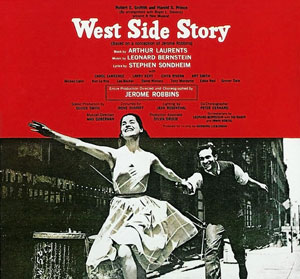
West Side Story is a mid‑20th century American musical that transposes the basic plot of Shakespeare to a New York City setting, drawing particular inspiration from the play Romeo and Juliet and its themes of forbidden love and social conflict. The stage book was written by Arthur Laurents, and the original Broadway production became notable for integrating music, drama and extended dance sequences into a single dramatic arc.
Image gallery
10 Images


Creators and music
The score was composed by Leonard Bernstein and the lyrics were written by Stephen Sondheim. Bernstein's orchestration combined elements of classical, jazz and Latin idioms to support a theatrical narrative, while Sondheim's lyrics contributed psychological nuance and often ironic commentary. The original Broadway cast featured performers such as Carol Lawrence as Maria, and Jerome Robbins served as choreographer and co‑director, making dance a central storytelling device.
Original production and reception
The show opened on Broadway at the Winter Garden Theatre on 26 September 1957, establishing a reputation for daring choreography and a contemporary urban setting; the Broadway run and subsequent productions brought attention to social issues as well as artistic innovation. The West End production opened on 12 December 1958 and ran for many performances. Early productions received multiple nominations and won awards, including recognition at the Tony Awards, and critics praised the score, staging and choreography even as some reviewers debated the adaptation's darker themes.
Plot and themes
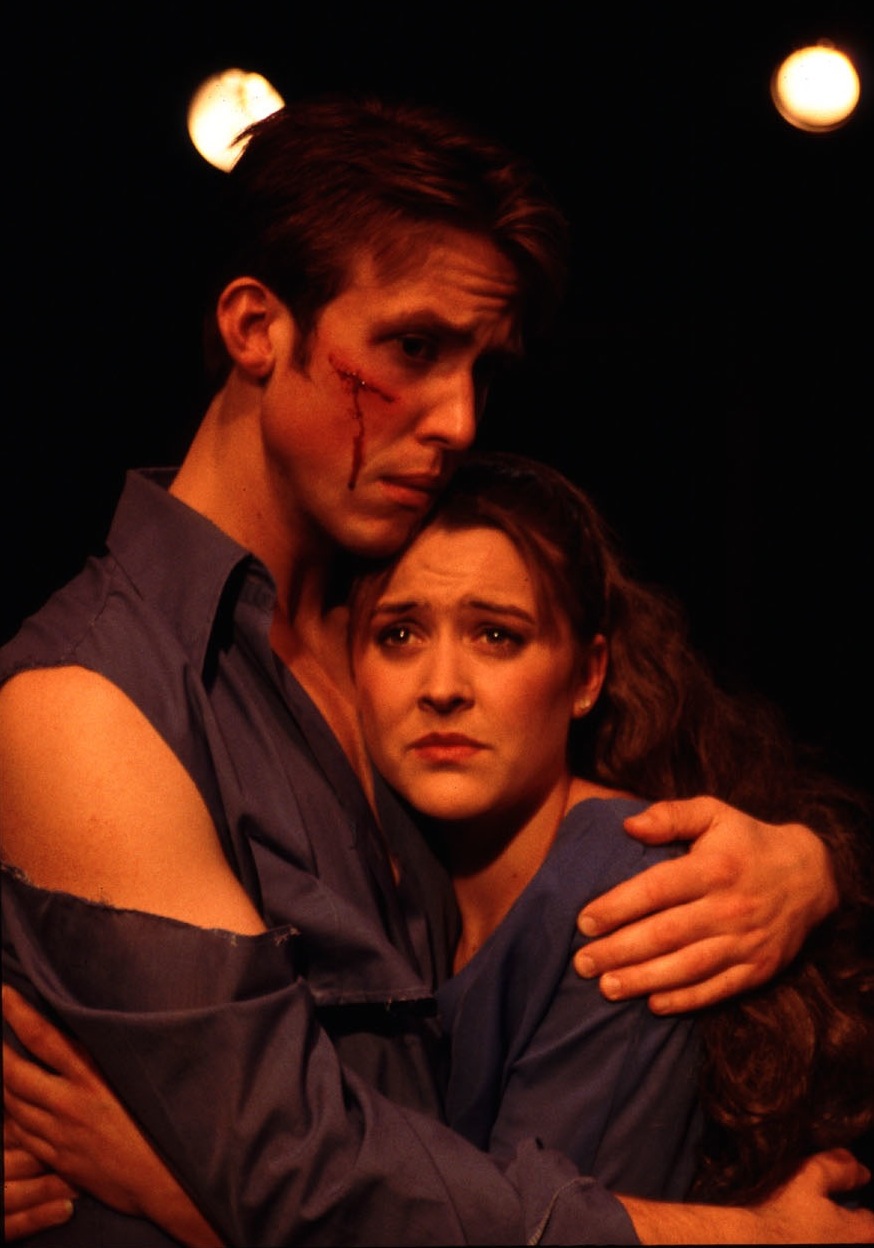
Set in the Upper West Side of Manhattan, the narrative centers on two rival teenage gangs, the white Jets and the Puerto Rican Sharks, and a romance between members of opposing groups. Through songs such as "Tonight," "Maria," "America," "Somewhere" and "Gee, Officer Krupke," the piece explores love, identity, prejudice, youth violence and the search for a safer future. The musical uses extended dance sequences and tightly integrated musical numbers to advance character and plot rather than serving as intermittent diversion.
Film adaptations and legacy
The stage musical was adapted into a high‑profile film in 1961 (the 1961 movie), which starred Natalie Wood among others and received significant critical and commercial attention, winning multiple Academy Awards. A new screen adaptation was released in 2021, aiming to revisit casting and cultural representation for a modern audience. Across stage revivals, touring productions and screen versions, West Side Story has remained influential for how musicals can confront social realities while employing ambitious musical and choreographic techniques.
Notable elements and considerations
- Artistic integration: extended dance sequences and symphonic theatrical scoring set a template for later 'integrated' musicals.
- Stylistic blend: classical, jazz and Latin musical elements create a varied sound world.
- Representation: historical productions faced criticism for casting and portrayal of ethnic characters; later stagings and adaptations have sought greater authenticity and sensitivity.
- Educational and cultural importance: frequently studied for choreography, score, and adaptation of classic material into modern contexts.
For further reading about the creators, original productions and adaptations, consult historical and musical references that examine the work's score, book and staging in depth. The musical continues to be staged worldwide and remains a central reference point in discussions of American musical theatre and cultural representation.
More on the original play source | About the composer | About the lyricist | Broadway history | West End history
Questions and answers
Q: What is West Side Story?
A: West Side Story is a musical.
Q: What book was West Side Story based on?
A: West Side Story was based on Shakespeare's play, Romeo and Juliet.
Q: Who wrote the book for West Side Story?
A: Arthur Laurents wrote the book for West Side Story.
Q: Who composed the music for West Side Story?
A: Leonard Bernstein composed the music for West Side Story.
Q: Who wrote the lyrics for West Side Story?
A: Stephen Sondheim wrote the lyrics for West Side Story.
Q: Who starred as Maria in West Side Story?
A: Carol Lawrence starred as Maria in West Side Story.
Q: When was the movie adaptation of West Side Story made?
A: The movie adaptation of West Side Story was made in 1961 and was later remade in 2021.
Related articles
Author
AlegsaOnline.com West Side Story Leandro Alegsa
URL: https://en.alegsaonline.com/art/107451
Sources
- ny.com : ny.com/articles/upperwest.html
- cityrealty.com : cityrealty.com/nyc