
The Marriage of Figaro: Mozart's Opera Buffa and Its Legacy
Mozart's Le nozze di Figaro (1786) is a landmark opera buffa with a libretto by Lorenzo Da Ponte, adapted from Beaumarchais's play. It blends comedy, social satire, and complex ensemble writing.
Overview
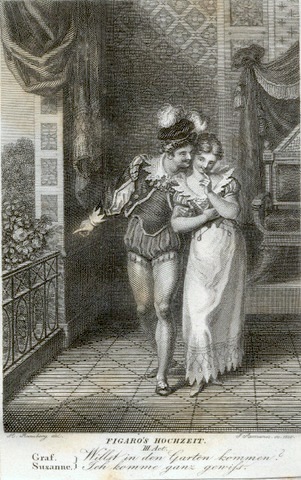
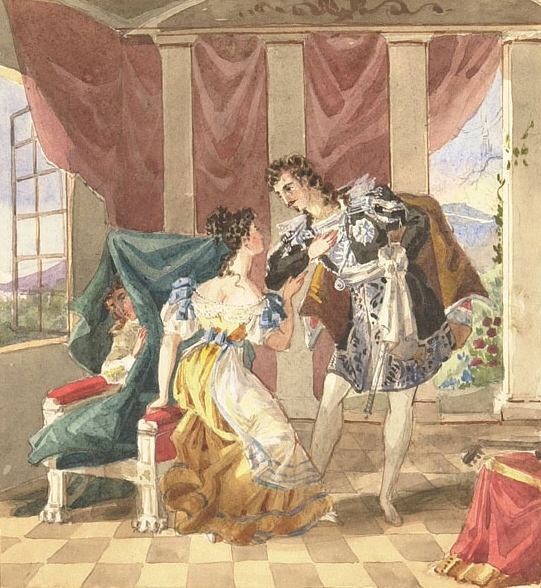
Le nozze di Figaro, commonly known in English as The Marriage of Figaro, is an Italian-language opera buffa composed by Wolfgang Amadeus Mozart to a libretto by Lorenzo Da Ponte. It premiered at the Burgtheater, Vienna on 1 May 1786. The work adapts and refines a controversial French stage comedy and is celebrated for its vivid characters, dramatic pacing and inventive ensembles.
Image gallery
5 Images


Origins and Libretto
The opera is based on the 1784 comedy by Pierre Beaumarchais, published as La folle journée and often cited by its extended title Le Mariage de Figaro. Beaumarchais's play was politically charged and briefly banned in France; for the Viennese stage Da Ponte reshaped the plot and language to satisfy censors while preserving the story's wit and social critique. Mozart and Da Ponte collaborated closely to match musical expression to the libretto's emotional variety.
Plot and Dramatic Structure
The opera takes place over a single, eventful day and follows servants Figaro and Susanna as they try to marry despite the amorous schemes of their employer, Count Almaviva. Mistaken identities, disguises and secret plans create comic complications that ultimately resolve in a finale combining reconciliation and social commentary. The dramatic design emphasizes ensembles—duets, trios and larger group numbers—that drive both plot and character revelation.
Principal Characters and Musical Highlights
- Figaro (baritone) — the resourceful valet
- Susanna (soprano) — Figaro's bride-to-be
- Count Almaviva (baritone) and Countess Rosina (soprano)
- Cherubino (mezzo-soprano trouser role) and a supporting comic ensemble
Notable musical moments include the overture, the wistful arias for the Countess such as "Porgi, amor" and "Dove sono", the playful "Voi che sapete" for Cherubino, and the rousing "Non più andrai". The famous duet "Sull'aria" illustrates Mozart's gift for vocal writing and ensemble balance.
Reception, Premiere Anecdote and Legacy
The first performance met with great enthusiasm; contemporary reports note that many scenes were encored repeatedly, so much so that the performance ran long and even drew the displeasure of the Emperor, who wished the encores to cease (encores, the Emperor). Over time the opera established itself as a central work in the repertory for its combination of musical invention and human comedy. It influenced later composers and remained a touchstone for staging debates about class, gender and authority in the theatre.
Performance Tradition and Notable Interpretations
Performances range from faithful period-style productions to modern settings that emphasize the play's political edge. The score’s balance of solo arias and complex finales has made the opera a frequent choice for both opera houses and recordings, and its characters continue to attract acclaimed singers and directors. For further reading and resources, consult primary editions, critical studies and major recorded performances available through specialist catalogs and databases (genre overviews, composer biographies).
Questions and answers
Q: What is Le nozze di Figaro?
A: Le nozze di Figaro is an opera buffa with music by Wolfgang Amadeus Mozart and an Italian libretto by Lorenzo Da Ponte.
Q: When did the opera Le nozze di Figaro premiere?
A: The opera premiered at the Burgtheater, Vienna on 1 May 1786.
Q: How was the opera received during its premiere?
A: The opera was well received, and nearly every scene received an encore, which made the performance so long that the Emperor did not like this and wanted it to stop.
Q: What is the opera based on?
A: The opera is based on the 1784 French play, La folle journée, ou le Mariage de Figaro by Pierre Beaumarchais.
Q: Why was the play La folle journée controversial in its day?
A: The play La folle journée was controversial in its day and even banned briefly in France due to its questionable material.
Q: Was Da Ponte's libretto for Le nozze di Figaro censored?
A: Yes, Da Ponte's libretto passed the Viennese censors after the questionable material was removed.
Q: Who wrote the music for Le nozze di Figaro?
A: The music for Le nozze di Figaro was written by Wolfgang Amadeus Mozart.
Related articles
Author
AlegsaOnline.com The Marriage of Figaro: Mozart's Opera Buffa and Its Legacy Leandro Alegsa
URL: https://en.alegsaonline.com/art/98422