
Coppélia: Delibes’ comic ballet of dolls, mistaken identity, and pastoral charm
Coppélia is a best‑known comic ballet with music by Léo Delibes, choreographed by Arthur Saint‑Léon from an E. T. A. Hoffmann tale. Its cheerful score and dramatic mime made it a staple of classical repertory.
Overview
Coppélia, often given the subtitle The Girl with the Enamel Eyes, is one of the most frequently staged comic ballets in the classical repertoire. Born from a collaboration between choreographer Arthur Saint‑Léon and librettist Charles Nuitter with music by Léo Delibes, the work draws inspiration from a supernatural short story by E. T. A. Hoffmann but transforms the mood into lighthearted village comedy. Companies around the world program Coppélia as a family‑friendly classic because of its clear narrative, colorful ensemble dances, and memorable tunes. comic ballet remains a common description, while general information about the production and history is available through sources such as ballet archives.
Image gallery
7 Images



Structure, music and principal elements
The ballet is notable for a score that balances charming melodies with lively character dances. Léo Delibes provided music that emphasizes rhythmic clarity and orchestral color; his themes for dances and variations are often singled out as highlights for both dancers and orchestras. Principal roles are the young heroine Swanhilda and her sweetheart Frantz, the eccentric dollmaker Dr. Coppélius, and the titular puppet, Coppélia. Typical stagings present a mix of pantomime and classical technique so that acting and mime are as important as formal steps.
- Principal characters: Swanhilda, Frantz, Dr. Coppélius, Coppélia.
- Dance types: folk‑style mazurkas and waltzes, character dances and solo variations.
- Musical traits: memorable leitmotifs, light orchestration and rhythmic dances.
Plot synopsis
The action is set in a rustic village where Swanhilda and Frantz are courting. Frantz becomes infatuated with a mysterious girl who sits on a balcony in the house of Dr. Coppélius, a reclusive maker of automata. Jealous and curious, Swanhilda investigates and discovers that the girl, Coppélia, is in fact a life‑like doll. Dr. Coppélius tries to animate the doll by harnessing Frantz’s life force, but Swanhilda intervenes and exposes the deception. The story concludes with reconciliations, a village celebration and the lovers’ happily anticipated marriage. The combination of comic misunderstanding and the uncanny presence of the doll provides both stage situations for humor and opportunities for expressive pantomime.
History and premiere
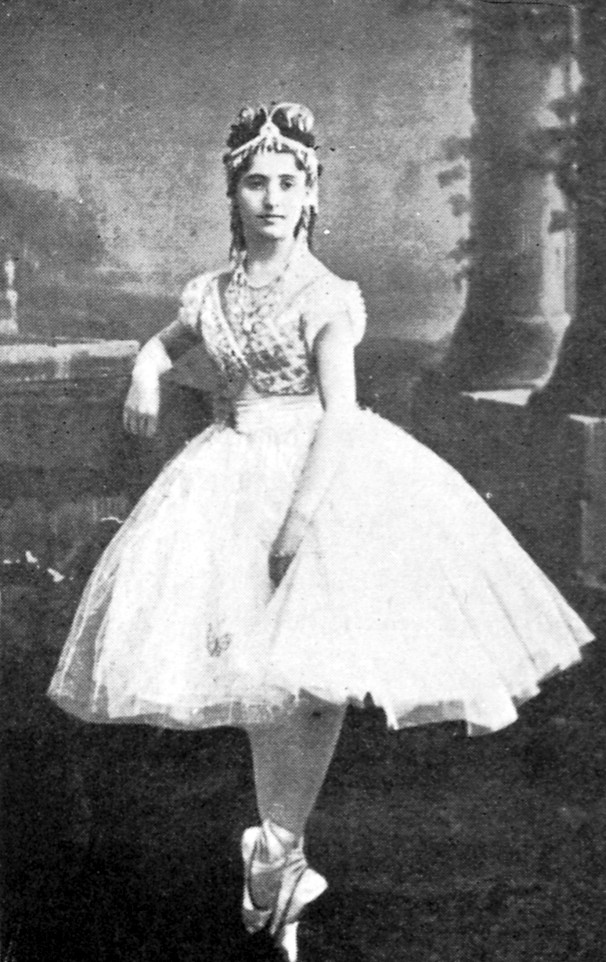
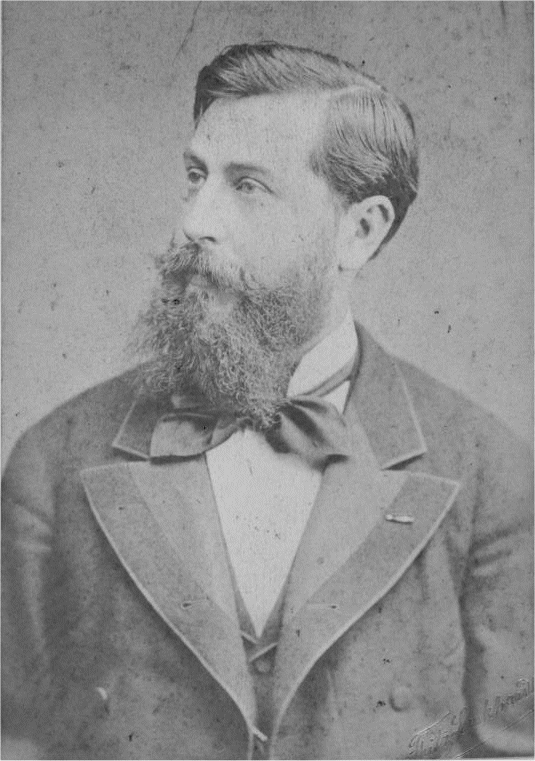
Coppélia premiered in Paris in the late 19th century after an extended period of preparation. Arthur Saint‑Léon led the choreography with a scenario adapted by Charles Nuitter from Hoffmann’s tale, while Delibes composed the score. The original production required careful casting and rehearsal; the young dancer selected for the role of Swanhilda was Giuseppina Bozzacchi, who attracted attention as the first Swanhilda. The premiere took place at the Paris Opéra and the work quickly entered the repertory of other European houses. For more on creators and original documents see entries about Arthur Saint‑Léon, E. T. A. Hoffmann’s story and the composer Léo Delibes.
Legacy, staging and notable facts
Coppélia endures because it combines approachable storytelling with opportunities for virtuosic dancing and ensemble spectacle. Companies commonly mount the ballet for mixed programs, student performances and holiday seasons because its comic tone and clear scenes are attractive to audiences of all ages. Its music is played in orchestral suites and arrangements outside the theatre and has influenced the way later choreographers approached character dances in narrative ballets. Historical notes and production histories can be explored through archival material on staging and choreography, including resources about the original choreographer’s work Saint‑Léon and accounts of the Paris premiere available at institutional pages such as historical archives and library collections catalogs.
Questions and answers
Q: What is Coppélia ou La fille aux yeux d'email?
A: Coppélia ou La fille aux yeux d'email is a comedy ballet that is considered to be the most famous and most performed in the world.
Q: Who wrote the story that Coppélia was based on?
A: The ballet was based on E.T.A. Hoffmann's 1816 short story The Sandman.
Q: Who wrote the music for the ballet?
A: The music for the ballet was written by Léo Delibes.
Q: Who choreographed the ballet?
A: The ballet was choreographed by Arthur Saint-Léon.
Q: What is the plot of Coppélia?
A: The ballet tells the story of Swanhilda and Frantz, who are sweethearts. Swanhilda believes that Frantz is in love with Coppélia, a strange girl in the house of a dollmaker named Dr. Coppélius. Swanhilda eventually discovers that Coppélia is actually a doll, and Dr. Coppélius attempts to bring the doll to life using Frantz's life force. Swanhilda saves her sweetheart's life, and the two live happily ever after.
Q: Who were the actors that played the main characters in Coppélia?
A: Giuseppina Bozzacchi played Swanhilda, while Eugenie Fiocre played Frantz.
Q: When was Coppélia first performed?
A: The ballet was first performed on May 25, 1870 at the Théâtre Impérial de l´Opéra in Paris, France.
Related articles
Author
AlegsaOnline.com Coppélia: Delibes’ comic ballet of dolls, mistaken identity, and pastoral charm Leandro Alegsa
URL: https://en.alegsaonline.com/art/22951
Sources
- balletmet.org : Coppélia
- theballetbag.com : Coppélia