
Transylvania: region, history and cultural identity
Transylvania is a historic, multiethnic region in Central Europe, known for its Carpathian landscapes, complex political history, and rich folklore including the Dracula legend.
Overview
Transylvania is a historical region located in Central Europe. It occupies the central part of the Carpathian Basin and is best known for a mix of mountains, river valleys and highlands. The region has long been a crossroads of peoples and cultures and remains notable for its varied architecture, rural traditions and natural scenery.
Image gallery
10 Images


Geography and cities
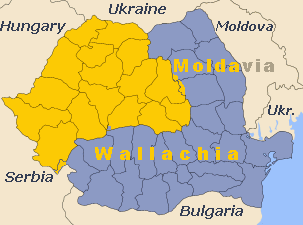
Transylvania is largely framed by the arc of the Carpathian Mountains. Several important rivers flow through or near the area, including the Tisza and the Siret, as well as internal waterways such as the Mureș and Olt. Its landscape ranges from alpine peaks to rolling plateaus and fertile river basins. Urban centers with historical and cultural prominence include Cluj-Napoca, widely regarded as the region's principal city, Alba Iulia, a traditional site of state assemblies, and Sibiu, known for its preserved historic core and role in regional administration.
Historical development
Across centuries Transylvania has been governed under different polities. It was part of the medieval Kingdom of Hungary, later developed as the autonomous Principality of Transylvania during the early modern era, and came under Ottoman suzerainty while retaining internal institutions in some periods (Ottoman Empire). After Habsburg consolidation the area was incorporated into the Habsburg realms and later into Austria-Hungary. In the wake of World War I the majority of the region became part of modern Romania; the political changes of 1918–1920 remain central to Transylvania's modern identity.
People, culture and landmarks
Transylvania has long been multiethnic: ethnic Romanians, Hungarian communities (including Székelys), and German-speaking Transylvanian Saxons are among the principal groups. This diversity produced a range of religious traditions, vernacular architecture and fortified churches, many of which are protected as cultural monuments. Visitors often encounter medieval citadels, rural fortified churches, and well-preserved old towns that reflect centuries of layered history.
Folklore, literature and popular image
In global popular culture Transylvania is often associated with Gothic fiction. Bram Stoker's novel and the figure of Count Dracula connected the region to the vampire archetype in the public imagination: the book's author Bram Stoker used Transylvania as the origin of his antagonist, and the broader vampire tradition is frequently linked with the term vampire. Local historical figures such as Vlad III (commonly known as Vlad the Impaler) are sometimes cited in discussions of those legends. Tales about other notorious noble figures, including the subject of later popular accounts, Elizabeth Báthory, have also contributed to the region's mythic reputation.
Significance and visiting today
Today Transylvania is important for its cultural heritage, universities, and tourism. It offers attractions for those interested in history, architecture and nature. Visitors often plan routes that include fortified churches, castle sites, mountain trails and cultural festivals. Practical information and scholarly studies about the region's geography, demography and history are available from academic and governmental sources; for general overviews and further reading see regional guides and reference collections accessible online and in libraries (overview, historical context, political history, early modern period, Habsburg era, modern status, river systems, mountain ranges, major cities, Alba Iulia, Sibiu, folklore, literature, local legends).
- Key themes: geographical diversity, multiethnic heritage, layered political history.
- Common attractions: fortified churches, medieval towns, mountain landscapes and cultural festivals.
- Note: Popular myths have shaped outsiders' views of Transylvania; historical reality is more complex and varied than legend alone.
Related articles
Author
AlegsaOnline.com Transylvania: region, history and cultural identity Leandro Alegsa
URL: https://en.alegsaonline.com/art/101213