
Principality — territory ruled by a prince or princess
A principality is a polity governed by a prince or princess. This article covers definitions, governance, medieval origins, modern examples, micronations and colonial-era princely states.
Overview
A principality is a political unit—sometimes a fully sovereign country, sometimes a dependent or subnational territory—whose head of state bears the title of prince or princess. While the term is most commonly associated with small monarchies, its exact meaning varies by historical and legal context. The label was particularly widespread in the Middle Ages, when personal rule and feudal hierarchies produced many principalities of different sizes.
Image gallery
1 Image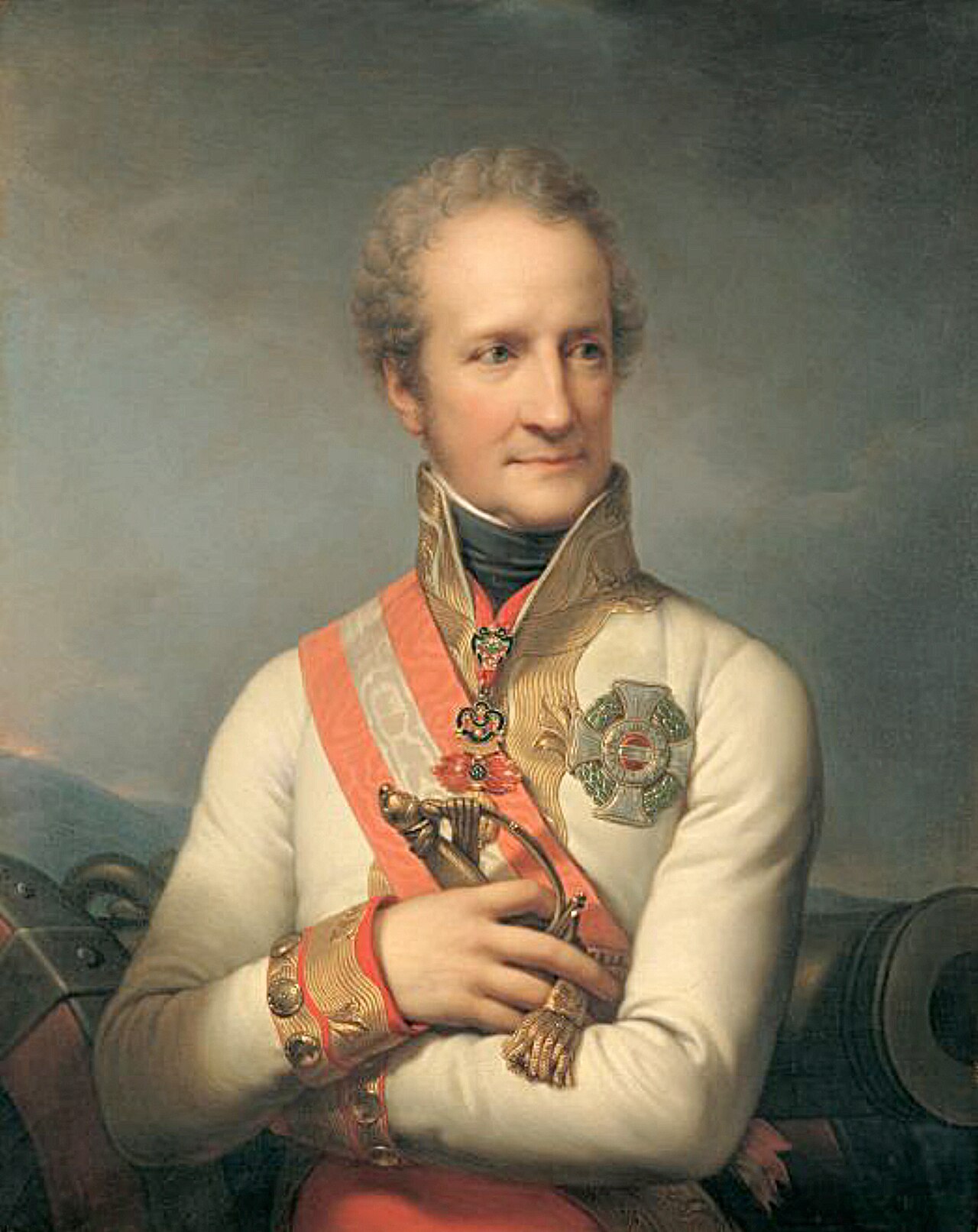
Characteristics and forms of government
Principalities may be independent sovereign states, constituent parts of larger kingdoms or federations, or ceremonial divisions with traditional rulers. Characteristics that commonly distinguish principalities include hereditary succession, a single ruling family, and the use of princely titles in official styles. Modern principalities range from constitutional monarchies with written constitutions and elected governments to absolute or semi-absolute dynastic regimes where the prince retains extensive executive power.
History and development
In medieval Europe and adjacent regions, principalities emerged where a regional noble or dynast gained de facto autonomy while recognizing a higher overlord, or where fragmented authority resulted in many small sovereign entities. Over centuries, wars, marriages and treaties consolidated many principalities into larger states, while a few preserved their distinct status through diplomacy, strategic location, or special arrangements with neighboring powers.
Contemporary examples
Only a handful of sovereign principalities survive today as internationally recognized states. Notable examples include:
- Andorra — a small Pyrenean polity with a unique co-principality system and modern constitutional arrangements.
- Monaco — a Mediterranean city-state known for its hereditary prince and high degree of autonomy.
- Liechtenstein — a European microstate with a reigning prince and a constitutional framework combining democratic institutions and princely prerogatives.
Micronations and unrecognised claims
Beyond established states, some self-proclaimed principalities exist without broad international recognition. These entities are often called micronations and typically claim symbolic sovereignty rather than legal status under international law. Examples often cited in popular discussion include a platform-based claim off the English coast, local movements in parts of Italy, and declarations on other continents such as the former claim to the Principality of Hutt River in Australia. Such claims illustrate how the princely title can be invoked for cultural, political or touristic reasons despite lacking diplomatic recognition.
Princely states and colonial contexts
In colonial and pre-colonial eras the related term "princely state" often described indigenous polities ruled by princes or comparable hereditary leaders under varying degrees of suzerainty. These arrangements were common in regions that later became parts of larger empires and are associated with dependent territories or autonomous domains in Africa, Asia, India and Oceania. The phrase underscores the difference between direct colonial administrations and indirect rule through local dynasties.
Distinctions and contemporary significance
When discussing principalities it is useful to distinguish: sovereign principalities (internationally recognized states governed by princes), subnational principalities (regions within larger states retaining princely titles), and unrecognised micronations that adopt princely styles without legal standing. Today principalities are significant for studies of monarchy, microstates, constitutional law, and cultural heritage; they also attract attention for their economic and diplomatic choices, symbolic traditions, and the ways historical titles persist into modern governance.
Related articles
Author
AlegsaOnline.com Principality — territory ruled by a prince or princess Leandro Alegsa
URL: https://en.alegsaonline.com/art/79230