
Elizabeth Báthory, Hungarian noblewoman and historical figure
16th–17th century Hungarian countess long associated with accusations of murdering young women; a contested historical case that generated enduring folklore and cultural portrayals.
Overview
Elizabeth Báthory (1560–1614) was a member of the powerful Báthory family who held lands and influence in Central Europe during the late 16th and early 17th centuries. She spent much of her life on estates in what was then part of the Kingdom of Hungary and in regions associated with Transylvania. Her kin included high-ranking figures often described collectively as kings, members of the clergy such as cardinals, and prominent officials including judges. Contemporary references emphasize that she was wealthy, well-educated and even called beautiful, which contributed to her social standing within the aristocracy of the Kingdom of Hungary.
Image gallery
8 Images

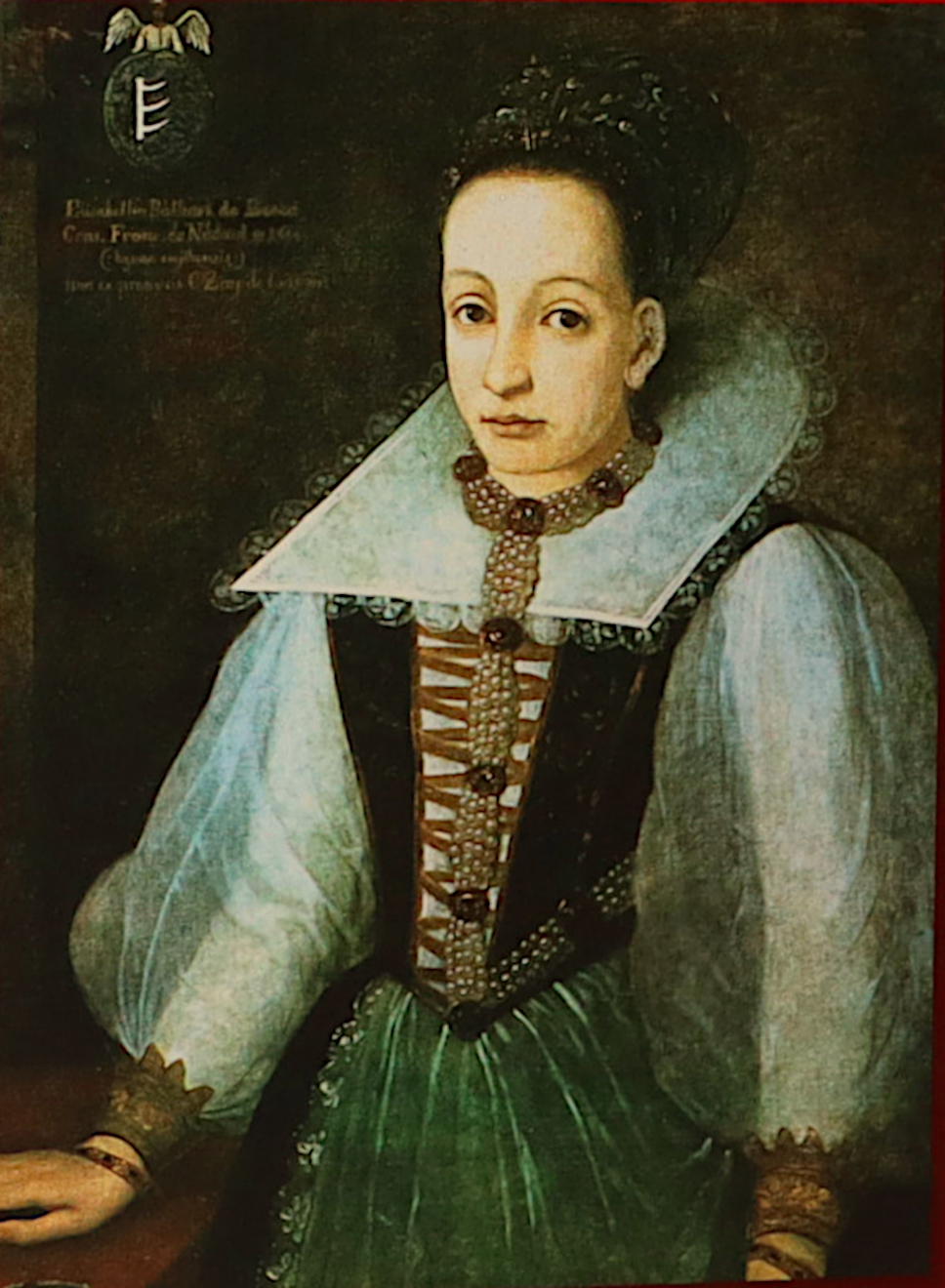


Background and position
Born into one of the region's most influential dynasties, Báthory inherited broad estates and exercised the typical rights of a noble landholder of her time: managing properties, administering justice on her domains, and maintaining a household that included numerous servants and retainers. Her family connections gave her a degree of legal and political protection that ordinary subjects lacked, and she lived in fortified residences that served administrative as well as domestic functions.
Accusations and legal proceedings
In the early 17th century Báthory was accused by neighbors, servants and local officials of torturing and causing the deaths of young women in her service. These charges prompted an investigation by royal commissioners. Rather than being executed, she was confined to one of her castles under arrest and remained there until her death in 1614. Contemporary court records, witness statements and later accounts differ in detail; the exact scale and nature of the alleged crimes have been debated by scholars ever since.
Historical debate and myth-making
Several factors make the case complex: the political interests of regional magnates, disputes over property and succession, and the fragmentary nature of surviving documents. In later centuries Báthory's story was amplified by sensational tales—most famously the claim that she bathed in the blood of virgins—which historians regard as folkloric embellishment rather than established fact. Modern scholarship tends to separate the contemporary legal record from later myth while exploring how gender, power and politics shaped the allegations and their reception.
Legacy and cultural influence
Elizabeth Báthory has become a figure in popular culture—appearing in novels, films, music and folklore—as an archetype of a murderous noblewoman. At the same time, historians and cultural critics examine her case as an example of early modern justice, elite violence, and the processes by which reputations are constructed and transmitted. Her primary seat, a fortress where she was confined, is a frequent point of interest for those studying the period.
Notable points
- Born into a leading aristocratic family with ties to monarchy and high clergy.
- Accused of crimes that provoked a formal royal investigation rather than a public execution.
- Her story blends documentary evidence with later legends that transformed her into the "blood countess" of popular imagination.
- She remains a subject of interdisciplinary study in history, gender studies and folklore.
For readers seeking primary documents or detailed scholarly analysis, consult specialized histories and archival collections that reproduce trial records and contemporary correspondence; popular treatments often mix established fact with later narrative additions and should be read with care.
Questions and answers
Q: Who was Elizabeth Bathory?
A: Elizabeth Bathory was a countess who lived in Transylvania, then a part of the Kingdom of Hungary.
Q: What kind of family did she come from?
A: Elizabeth Bathory came from a very important family that included kings, cardinals, knights, and judges. Her family ruled Transylvania as an independent region within the Hungarian kingdom.
Q: How was she educated?
A: Elizabeth Bathory was well-educated.
Q: Was she attractive?
A: Yes, Elizabeth Bathory was beautiful.
Q: How wealthy was she?
A: Elizabeth Bathory was wealthy.
Q: Was she powerful due to her status in society?
A: Yes, as a member of the Bathory family, Elizabeth Bathory was virtually untouchable.
Related articles
Author
AlegsaOnline.com Elizabeth Báthory, Hungarian noblewoman and historical figure Leandro Alegsa
URL: https://en.alegsaonline.com/art/118308
Sources
- trutv.com : "Countess Elizabeth Bathory – The Blood Countess."
- history.com : "1610 Bathory's torturous escapades are exposed"
- historytoday.com : "Death of Countess Elizabeth Bathory"
- ancient-origins.net : "Elizabeth Bathory – 16th century deranged serial killer or victim of betrayal?"
- medicalbag.com : "The Legend of Elizabeth Báthory: The Blood Countess"
- rottentomatoes.com : "Bathory (2008)"
- theguardian.com : "We all like some Euro pudding"