
Traunstein (mountain), Lake Traunsee, Austria
Traunstein is a striking limestone summit rising above Lake Traunsee in the Gmunden district of Upper Austria. A popular landmark, it offers hiking routes, mountain huts and panoramic views.
The Traunstein is a conspicuous mountain that towers over the eastern shore of Lake Traunsee in the Gmunden district. Its summit reaches about 1,691 metres, making it the dominant landmark visible for many kilometres across the lake and surrounding valleys. The massif forms a steep, often cliff-lined backdrop to nearby towns and is frequently photographed from the lakeshore.
Image gallery
7 Images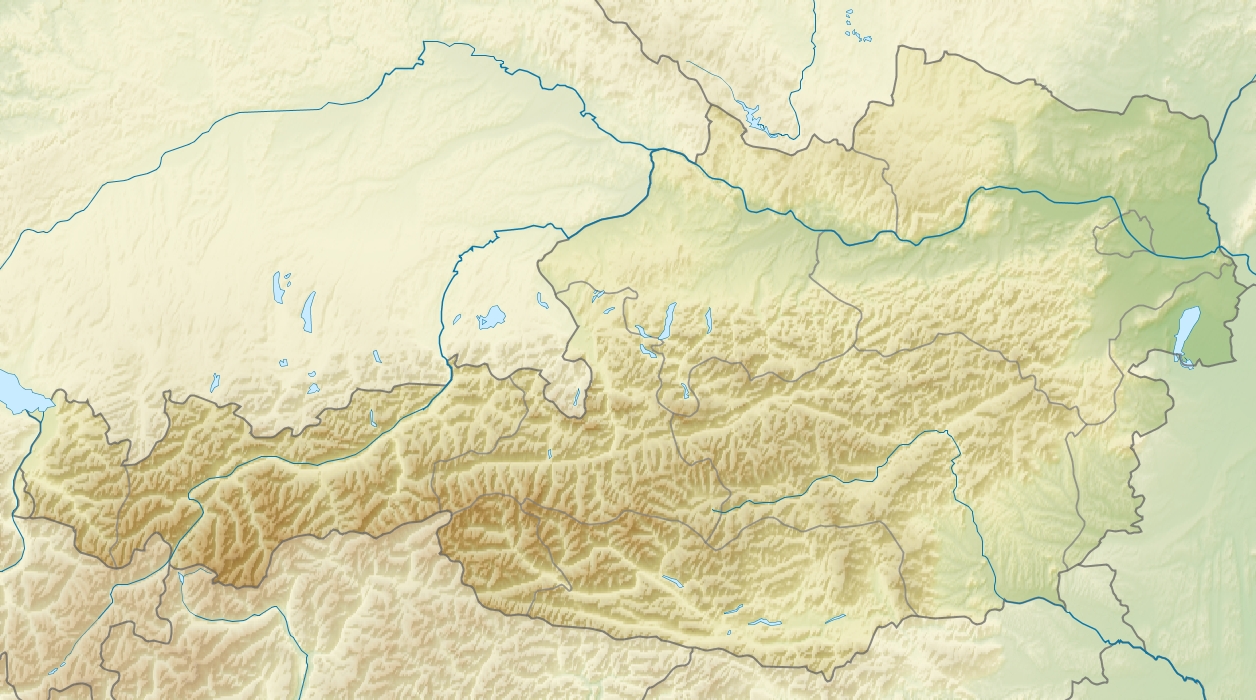


Location and physical characteristics
Located in Upper Austria, within the administrative area of Gmunden, the Traunstein is part of the Northern Limestone Alps. The mountain is characterized by steep faces on the lakeside and more gradual slopes on its interior flanks. From the summit there are broad views across the Salzkammergut region and, on clear days, distant alpine ranges visible across Austria.

Routes, huts and visitor facilities
Multiple marked footpaths and scrambling routes lead to the top, ranging from steep day-hikes to longer ridge walks. Near the summit are two well-known mountain huts that provide shelter and refreshment to walkers and climbers: the Naturfreundehütte (also known as Traunsteinhütte) and the Gmundnerhütte. These cabins serve as bases for sunrise outings and for those attempting the steeper north-facing approaches.

History, geology and ecology
The Traunstein is primarily limestone, reflecting the marine origins of much of the Northern Limestone Alps. Its cliffs host specialized alpine plants and nesting sites for birds of prey. Human interaction with the mountain includes traditional grazing on lower slopes, historic footpaths, and a long history of local mountaineering and tourism dating to the 19th century as lakeside towns developed.
Importance and notable facts
- Prominent visual landmark for communities around Lake Traunsee and a symbol of the region.
- Popular for hiking, rock climbing and panoramic viewpoints rather than winter alpine skiing on its flanks.
- Accessible from the lakeside towns by marked trails; huts offer rest and basic accommodation.
Visitors are advised to use appropriate maps and local guidance for route choice, since weather and steep terrain can make some approaches demanding. The Traunstein remains one of the most recognizable summits of the Salzkammergut and a frequent subject of natural-history interest and outdoor recreation.
Questions and answers
Q: What is Traunstein?
A: Traunstein is the highest mountain on the east side of Lake Traunsee in the district of Gmunden, Austria.
Q: How high is Traunstein?
A: The height of Traunstein is 1691 metres (5548 ft).
Q: Why can it be seen from far away?
A: Its height is the reason why it can be seen from very far away.
Q: Are there any cabins on top of the mountain?
A: Yes, there are two cabins on top of the mountain - the Naturfreundehütte and the Gmundnerhütte.
Q: What is another name for Naturfreundehütte?
A: Another name for Naturfreundehütte is Traunsteinhütte.
Related articles
Author
AlegsaOnline.com Traunstein (mountain), Lake Traunsee, Austria Leandro Alegsa
URL: https://en.alegsaonline.com/art/101240
Sources
- peakbagger.com : "Traunstein -peakbagger"
- ausflugstipps.at : "Bergtour zum Traunstein"