
Trashiyangtse District, Bhutan
An overview of Trashiyangtse District in eastern Bhutan: geography, administration, culture, conservation (including Bumdeling Wildlife Sanctuary), economy, and notable sites.
Trashiyangtse District is a mountainous administrative district in eastern Bhutan. The district centre is the town of Trashiyangtse, which serves as the local hub for government services, markets and cultural life. The district occupies a largely rural landscape with steep valleys, high ridges and altitudinally varied habitats; its general location is indicated by these coordinates.
Image gallery
2 Images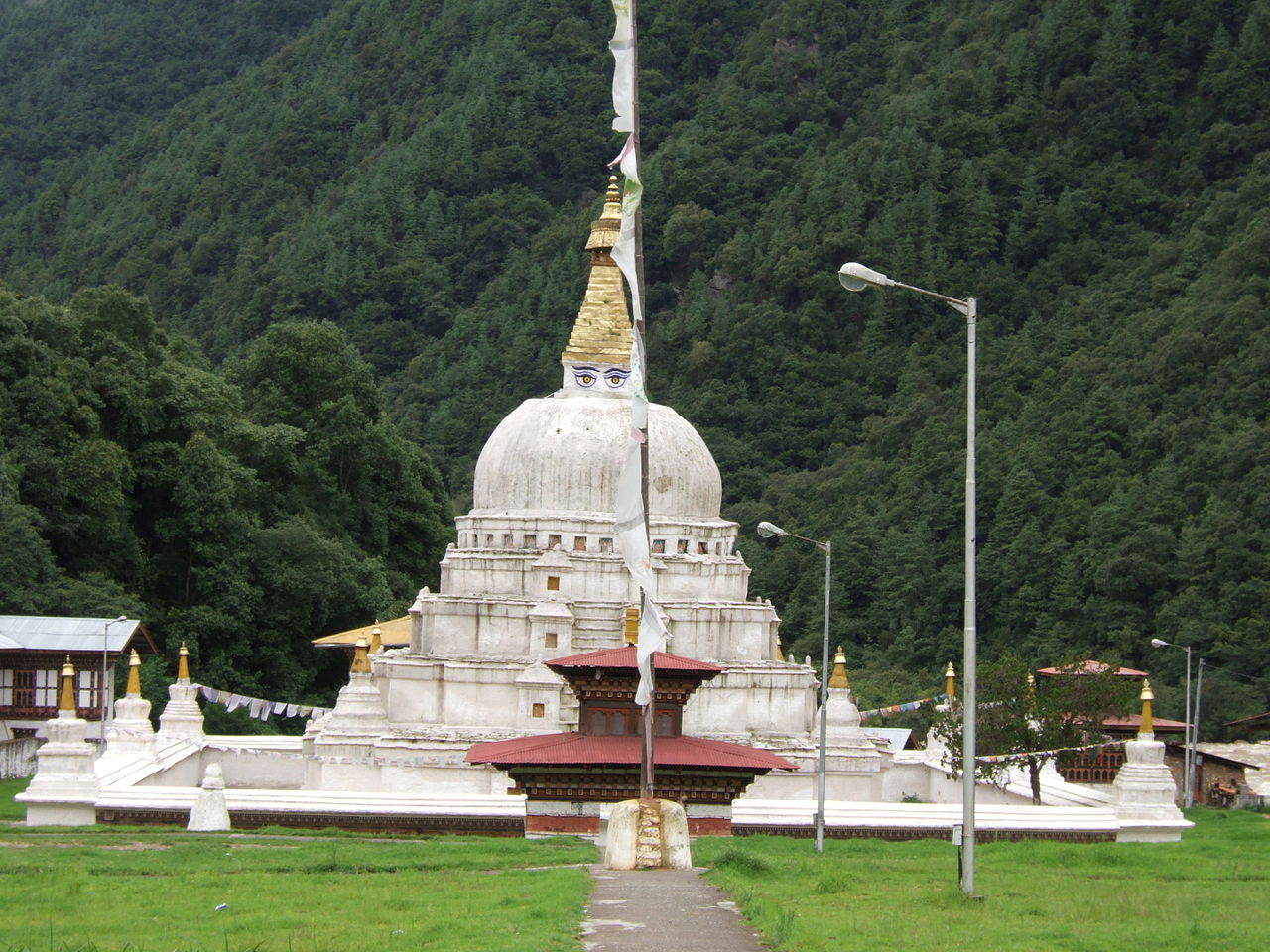

Geography and environment
Trashiyangtse spans mixed terrain from river valleys to high pastures. Forests, farmland terraces and small villages characterize most of the inhabited areas, while higher, less-accessible zones retain more extensive forest cover. The district includes parts of protected land and important wildlife habitat, and many communities depend on mixed subsistence agriculture and livestock.
Administration and settlement
The district is organised into eight gewogs (village blocks), which manage local administration and basic services. The town of Trashiyangtse functions as the administrative centre and the main concentration of trade, education and health facilities. Villages are generally small and dispersed, connected by a network of rural roads and footpaths linking them to the district centre.
Culture, economy and daily life
Cultural life in Trashiyangtse reflects Bhutan's Himalayan Buddhist traditions: dzongs, temples and chortens (stupas) are focal points for religious festivals and community gatherings. Local economies are based on agriculture, animal husbandry, small-scale forestry products and traditional crafts. The district is known for local artisanship, and visitors may encounter wood and bamboo craftwork, religious painting and textile productions in village workshops.
Conservation and notable sites
Bumdeling Wildlife Sanctuary lies within the district and protects diverse flora and fauna. The sanctuary is internationally noted for providing winter habitat for threatened species such as the black-necked crane, and it contributes to conservation and ecotourism in the region. Other notable cultural landmarks include historic chortens and monasteries that draw pilgrims and tourists.
Importance and challenges
Trashiyangtse combines ecological significance with cultural heritage. Its remoteness helps preserve traditional lifestyles but also presents challenges for development: improving road access, health and education services, and balancing conservation with local livelihoods are ongoing priorities. Sustainable tourism, small-scale agriculture improvements and community-led conservation are viewed locally as paths for future resilience.
- Administrative centre: Trashiyangtse
- Protected area: Bumdeling Wildlife Sanctuary
- Features: rural gewogs, Buddhist cultural sites, traditional crafts
Questions and answers
Q: What are the coordinates of Trashiyangtse District in Bhutan?
A: The coordinates of Trashiyangtse District in Bhutan are 27°40′N 91°25′E / 27.667°N 91.417°E / 27.667; 91.417.
Q: How many districts are there in Bhutan?
A: There are 20 districts in Bhutan.
Q: What is the administrative centre of Trashiyangtse District?
A: The administrative centre of Trashiyangtse District is Trashiyangtse.
Q: What is Bumdeling Wildlife Sanctuary?
A: Bumdeling Wildlife Sanctuary is a protected area in Trashiyangtse District.
Q: How many village blocks are there in Trashiyangtse District?
A: There are eight village blocks in Trashiyangtse District.
Q: What is a village block?
A: A village block is a unit of local government in Bhutan.
Q: What kind of activities are allowed in Bumdeling Wildlife Sanctuary?
A: To protect the wildlife, only limited activities such as trekking and bird watching are allowed in Bumdeling Wildlife Sanctuary.
Related articles
Author
AlegsaOnline.com Trashiyangtse District, Bhutan Leandro Alegsa
URL: https://en.alegsaonline.com/art/101228