
Actinide (series of chemical elements)
Actinides are the 15 radioactive elements from actinium to lawrencium (atomic numbers 89–103). They are f-block metals with important roles in nuclear energy, research and specialized technologies.
The actinide series comprises fifteen chemical elements that occupy the f-block of the periodic table and extend from actinium to lawrencium. These elements, with atomic numbers 89 through 103, are commonly treated as a distinct group because they share related electronic structures and similar chemical behavior. The series takes its name from its first member, actinium, and the generic symbol An is often used when a specific actinide is not named.
Image gallery
10 Images
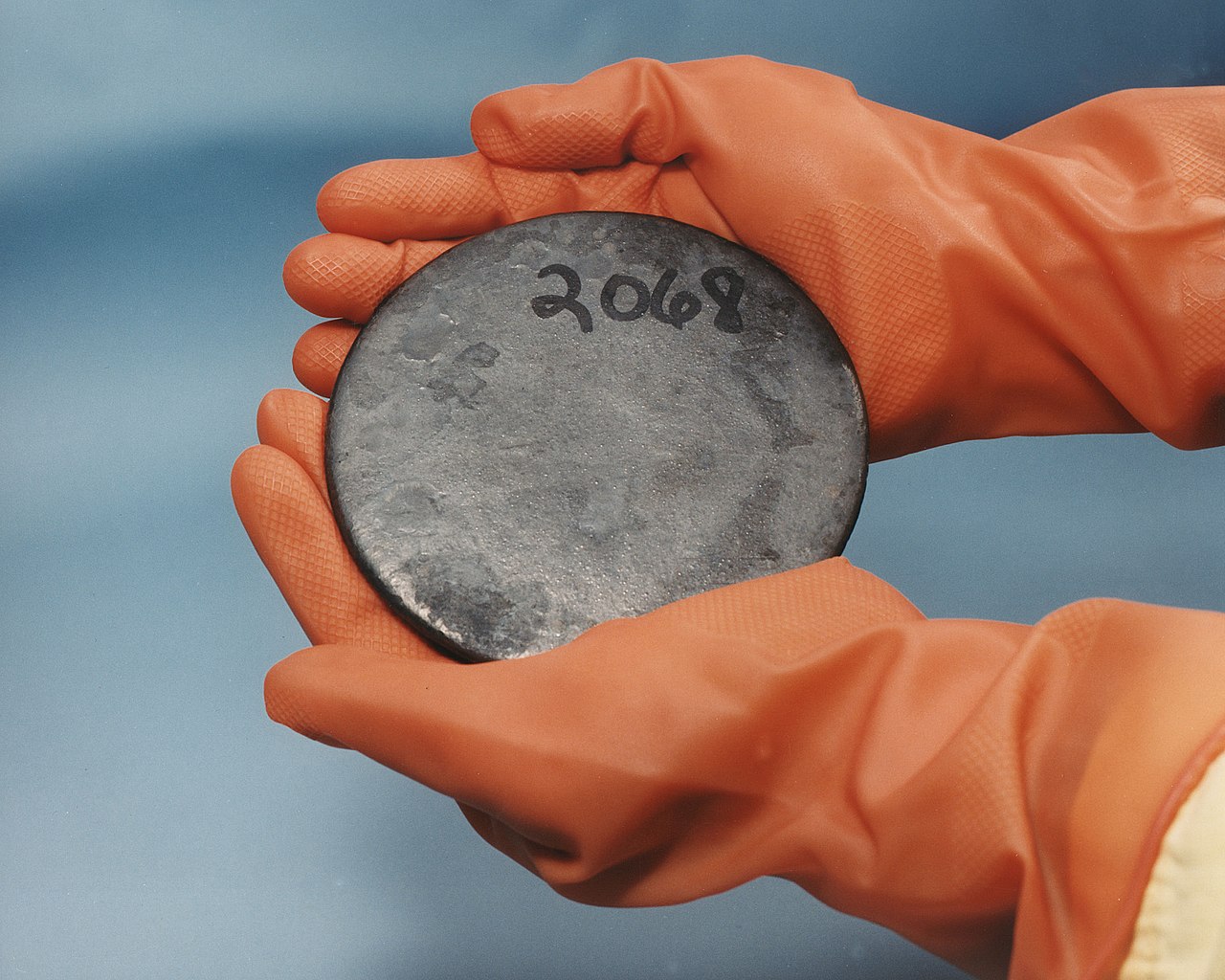
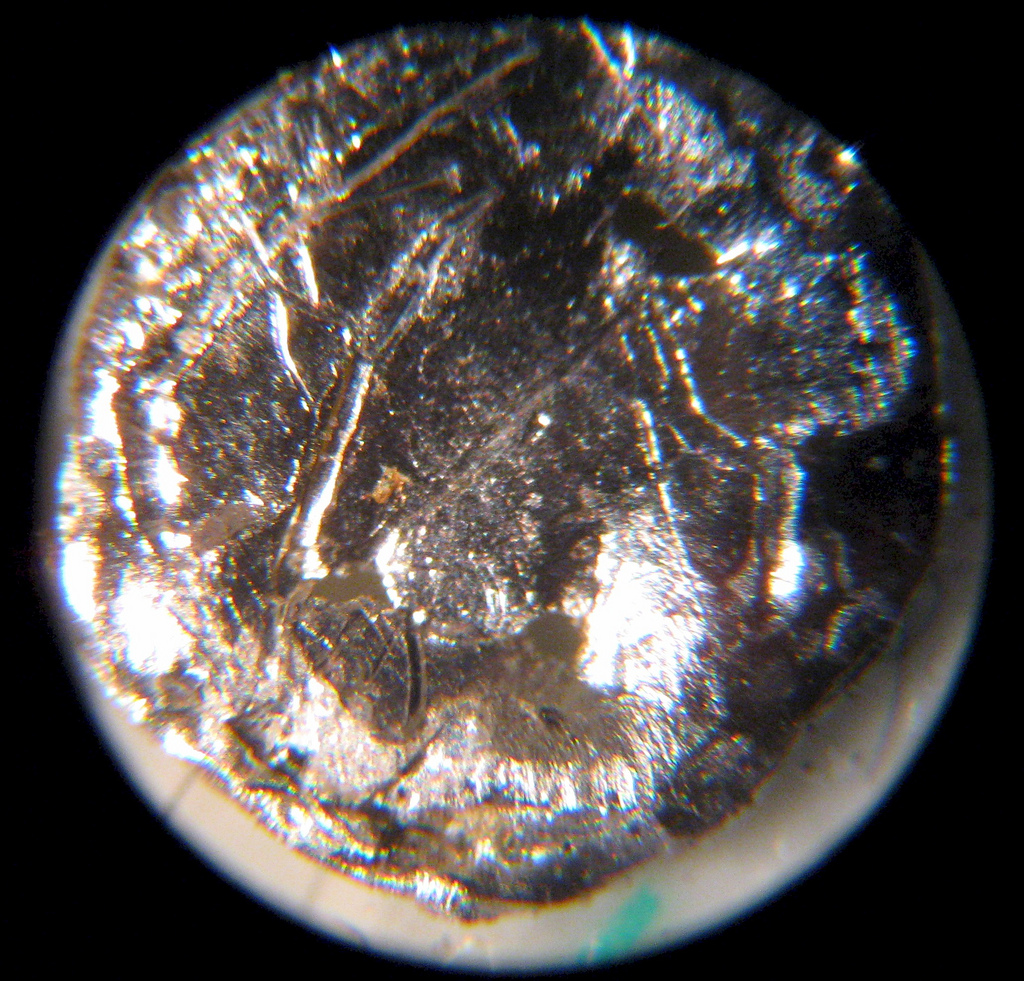


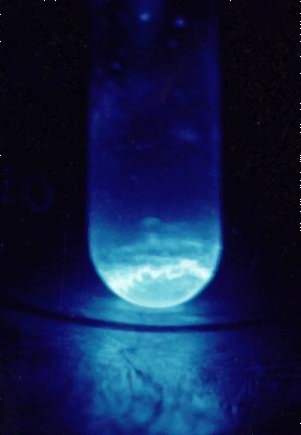


Characteristics
Actinides are typically dense, silvery metals that are all radioactive. Their chemistry is dominated by the filling of the 5f electron shell, which produces a range of accessible oxidation states and complex bonding compared with many other metallic series. Because of the involvement of f electrons, actinides can form a variety of colored compounds and show significant relativistic and electron-correlation effects that influence their physical properties.
- Electronic structure: gradual filling of the 5f orbitals leads to similarities across the series and occasional anomalies in expected configurations.
- Radioactivity: every actinide isotope decays by emitting alpha, beta or gamma radiation; some have very long half-lives while others are short-lived.
- Chemical behavior: multiple oxidation states (commonly +3, +4 and higher) and strong tendency to form complex ions and coordination compounds.
History and discovery
The recognition of actinides as a coherent series developed in the early 20th century after discoveries of uranium and thorium had already established the existence of heavy radioactive elements. Subsequent identification of new elements produced in laboratories and particle accelerators expanded the list through the mid-20th century. The placement of these elements in a separate f-block, below the lanthanides, reflects their related electronic configuration and helps clarify the structure of the periodic table.
Occurrence and production
Only a few actinides occur naturally in appreciable amounts. Uranium and thorium are the most abundant natural actinides and are found in many rocks and minerals. Other actinides, such as plutonium, are produced artificially in nuclear reactors and particle accelerators, although trace amounts of some transuranic isotopes can be generated naturally by neutron capture processes. Much of the modern supply comes from mining, reactor production and dedicated separation technologies.
Uses and significance
Actinides play critical roles in nuclear energy and technology. Uranium and plutonium isotopes serve as fuels in reactors and, in historical context, as materials for nuclear weapons. Some actinides are used in industrial devices and medical applications: for example, certain americium isotopes are used in smoke detectors and in neutron sources, while other actinides are employed in research to study heavy-element chemistry and nuclear physics. Their radioactivity also makes handling, transport and disposal subject to strict regulation and specialized engineering.
Notable distinctions and safety
The actinides are distinguished from the lanthanides by the involvement of 5f electrons and by a greater tendency to exhibit multiple oxidation states and covalent bonding contributions. Because all actinides are radioactive, they pose radiological and chemical hazards; long-lived isotopes can remain environmentally persistent and require controlled storage. Research continues into separation methods, recycling of nuclear fuel, and remediation of contaminated materials to reduce risks associated with actinide isotopes.
For more technical references and periodic data see related entries on the series and individual elements: overview of the element group, actinium, lawrencium, periodic table, atomic numbers, uranium, thorium, and plutonium.
Related articles
Author
AlegsaOnline.com Actinide (series of chemical elements) Leandro Alegsa
URL: https://en.alegsaonline.com/art/782