
Lanthanide (lanthanoid) elements: properties, chemistry, uses, and history
Lanthanides are the 15 metallic elements with atomic numbers 57–71. They share f‑block electronic structure, a progressive ionic shrinkage called the lanthanide contraction, and important magnetic, optical and catalytic uses.
Overview
The term lanthanide (also spelled lanthanoid) refers to the group of 15 elements that occupy the series beginning with lanthanum and ending with lutetium. They are Conventionally numbered by atomic numbers 57 to 71. Together with scandium and yttrium, the lanthanides are often treated as the rare earth elements, a historical term that refers to their occurrence in certain uncommon mineral concentrates rather than absolute scarcity.
Image gallery
10 Images



Physical and electronic properties
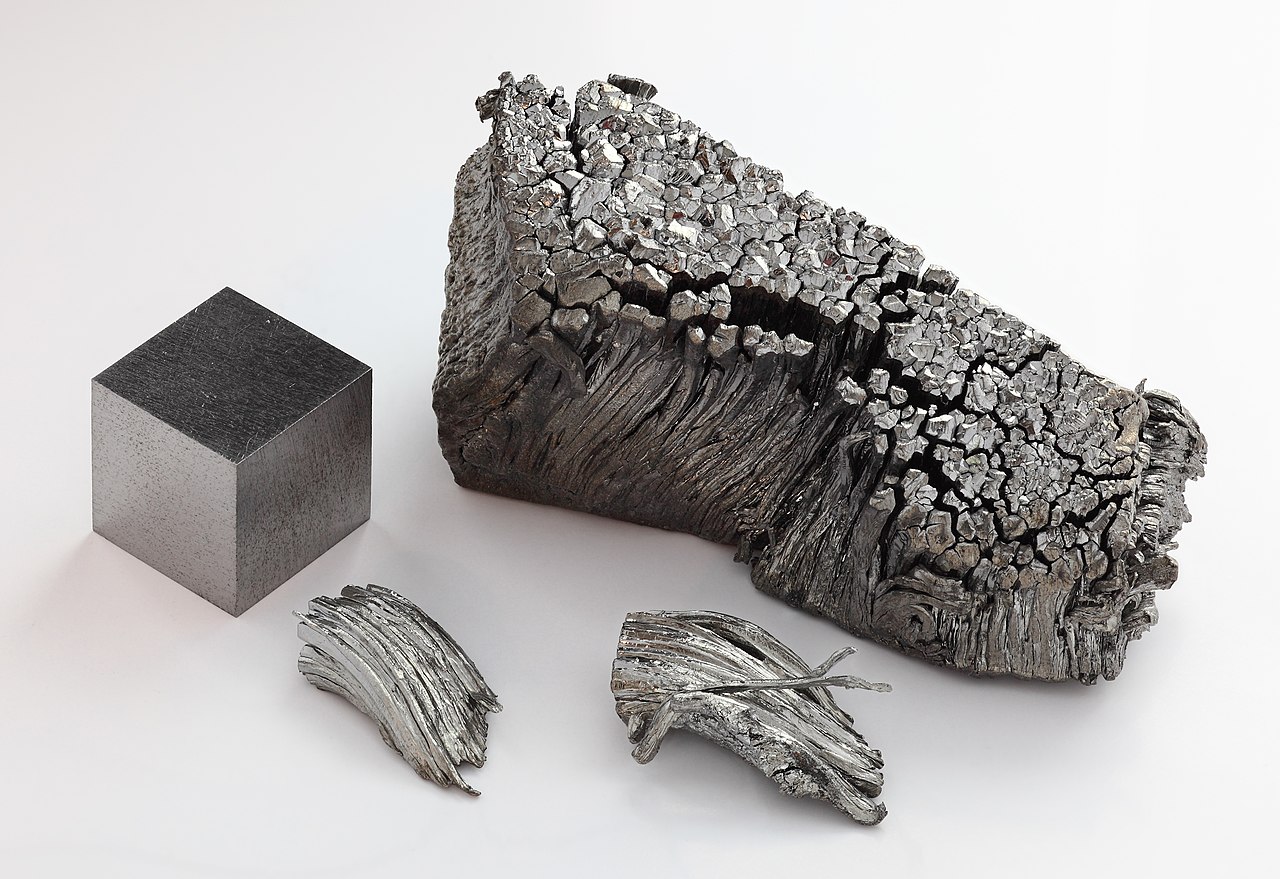
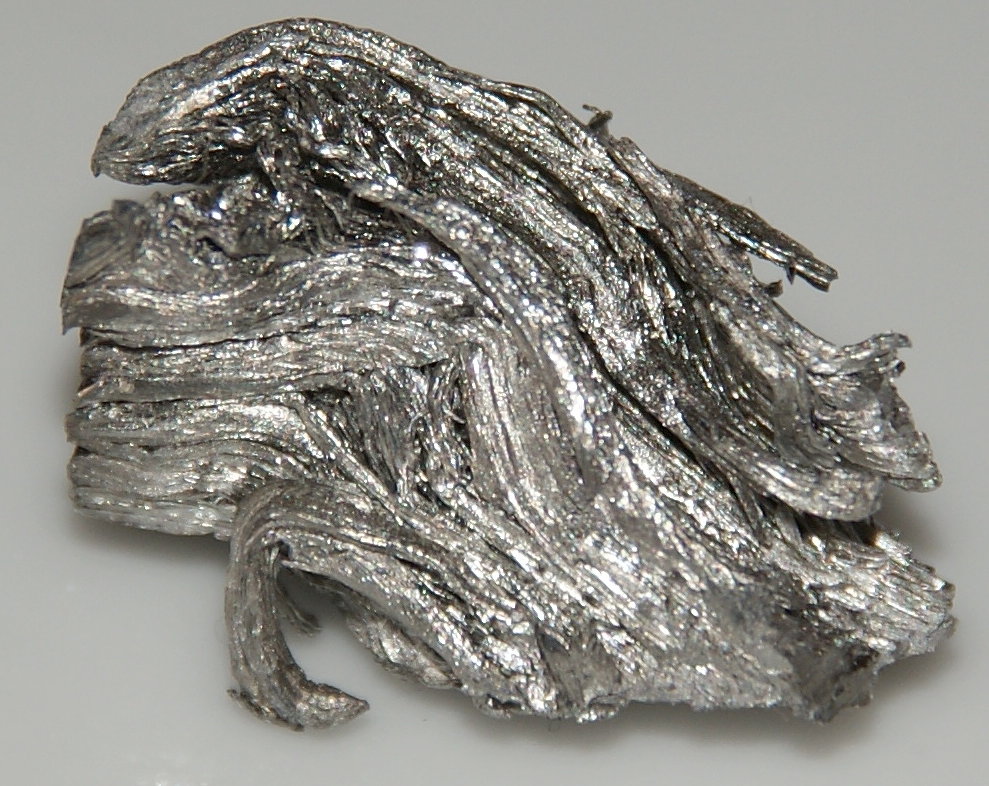
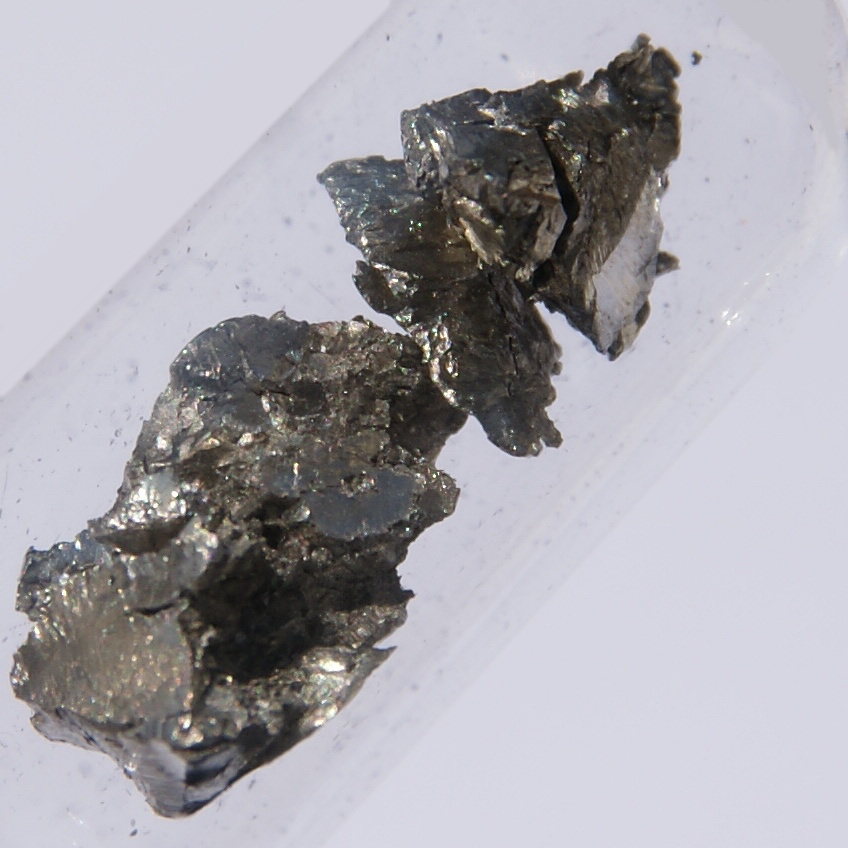
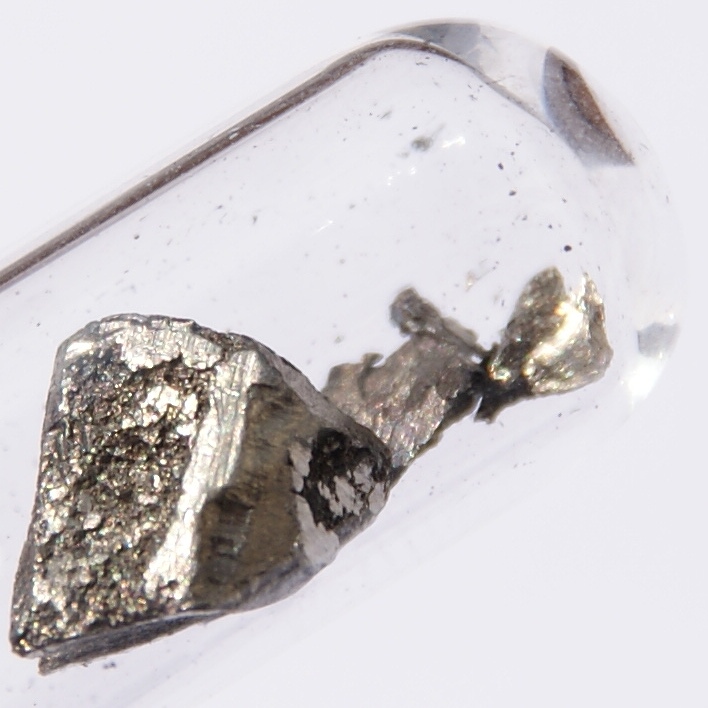
Lanthanides are typically silvery, lustrous metals that are relatively soft in their pure forms and tarnish in air to form surface oxides. Electronically they are characterised by progressive filling of the 4f shell, which gives rise to complex spectra, distinctive magnetic behaviour and sharp optical transitions for many ions. The gradual decrease in ionic radius across the series, known as the lanthanide contraction, influences chemical bonding and leads to effects on size, density and hardness across the series.
Chemistry and oxidation states
Most lanthanides most commonly exhibit a +3 oxidation state in stable compounds, but several elements also form +2 or +4 states under particular conditions — for example, europium and ytterbium frequently form divalent compounds, and cerium commonly adopts a +4 state in oxides. Promethium is unique among them for having no stable isotopes and occurs only in trace amounts naturally or in nuclear byproducts. The similarity of ionic radii and chemical behaviour makes separation of individual lanthanides a challenging task in extractive metallurgy and analytical chemistry.
Occurrence, extraction and separation
Lanthanide elements are dispersed widely in the Earth's crust but concentrated in a few mineral types such as monazite and bastnäsite. Commercial processing uses physical concentration followed by chemical methods such as ion exchange and solvent extraction to separate the chemically similar elements. These separation processes are energy- and chemistry-intensive because of the close match in charge and size among lanthanide ions.
Applications
Because of their magnetic, electronic and optical properties, lanthanides are central to many modern technologies. Examples include:
- Magnets: neodymium and samarium alloys are used in high-strength permanent magnets for electric motors, wind turbines and portable electronics.
- Catalysts: cerium oxide and other rare-earth oxides are used in automotive catalytic converters, petroleum refining and various chemical syntheses.
- Lasers and optical devices: several lanthanide ions are employed as active dopants in solid-state lasers, fiber amplifiers and phosphors.
- Lighting and displays: europium and terbium compounds provide red and green emissions in fluorescent lamps and LED phosphors.
- Medical and electronics: gadolinium compounds are used as MRI contrast agents; lanthanum-based materials are used in battery electrodes and in glass additives.
- Research and advanced materials: some lanthanides contribute to superconducting materials and specialised alloys where precise electronic or magnetic properties are required (superconductors).
Environmental, economic and supply considerations
Although not truly 'rare' in absolute abundance, economically recoverable deposits are limited and concentrated geographically. Mining, refining and recycling pose environmental and geopolitical challenges. Because separation is complex, supply chains for specific lanthanides are sensitive to production capacity and policy; recycling and alternative material strategies are areas of active development.
History and nomenclature
The lanthanide series was worked out during the 19th and early 20th centuries as chemists isolated closely related oxide minerals and recognised many previously unknown elements. The name derives from lanthana, the oxide of lanthanum. Debate over whether to place lutetium among the lanthanides or as a transition (d‑block) element reflects the subtle differences in electron configuration and is discussed in some classification schemes (d-block note).
Further reading
For concise overviews and technical treatments consult authoritative sources on the group of 15 elements, surveys of the alkali metals comparison (for reactivity contrasts), and specialised literature on magnet manufacture, catalyst chemistry and laser materials.
Related articles
Author
AlegsaOnline.com Lanthanide (lanthanoid) elements: properties, chemistry, uses, and history Leandro Alegsa
URL: https://en.alegsaonline.com/art/55955
Sources
- simple.wiktionary.org : lanthanide
- iupac.org : IUPAC Periodic Table
- iupac.org : IUPAC Periodic Table 2007 .pdf
- wikidata.org : wikidata.org/wiki/Q19569
- catalogue.bnf.fr : cb12142135v
- data.bnf.fr : (data)
- d-nb.info : 4074013-4
- id.loc.gov : sh85040502
- id.ndl.go.jp : 00569294