
Actinium (Ac), chemical element 89
Actinium (Ac, atomic number 89) is a rare, highly radioactive silvery actinide metal found in uranium ores. Notable for intense radioactivity, medical isotopes, and strict handling hazards.
Actinium is a chemical element with atomic number 89 and the symbol Ac. It has an atomic mass close to 227 u and occupies a position among the heavy elements on the periodic table. Actinium is a silvery, soft metal that is strongly radioactive and typically appears only in trace amounts in nature. Because of its radioactivity it may glow faintly in darkness due to radioluminescence.
Image gallery
4 Images


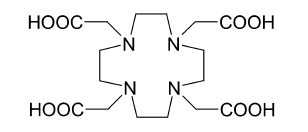
Physical and chemical characteristics
The element is classified with the actinide series and chemically resembles the lanthanides, most commonly showing a +3 oxidation state. Important fresh properties include:
- Appearance: silvery, metallic when freshly prepared, tarnishes in air.
- Radioactivity: all isotopes are radioactive; decay produces ionizing radiation and heat.
- Chemistry: forms salts much like other trivalent f-block elements and is reactive with water and air when finely divided.
Isotopes and radioactivity
Actinium has several isotopes; the longer-lived naturally occurring isotope in trace amounts is commonly referenced as having a multi-decade half-life. Shorter-lived isotopes, produced in laboratories or reactors, emit alpha and beta particles and are important in research and medicine. For example, isotopes such as Ac-225 have attracted attention for targeted alpha-particle cancer therapies because their emissions can destroy cancer cells within a short range.
Occurrence, extraction and production
In nature, actinium is extremely scarce and is typically found in uranium and thorium ores as a minor decay product. Commercial or research quantities are usually obtained by processing uranium or thorium residues or by neutron irradiation of suitable precursors in reactors. Isolation is challenging because of its low abundance and the need for radiochemical techniques to separate it from other radioactive elements.
Uses, importance and precautions
Practical uses of actinium are limited but significant: certain isotopes are used in medical research and experimental radiotherapy, and actinium can serve as a tracer or source in scientific studies. Handling requires strict radiological controls—shielding, remote manipulation, and containment—because even small quantities emit potent ionizing radiation that can harm biological tissue.
Historically, actinium was discovered near the turn of the 20th century and its name derives from the Greek word for "ray" (aktis), reflecting its intense radioactivity. For further introductory resources about this element see general element entries such as Actinium overview and references on the periodic table.
Related articles
Author
AlegsaOnline.com Actinium (Ac), chemical element 89 Leandro Alegsa
URL: https://en.alegsaonline.com/art/783
Sources
- pubs.acs.org : "C&EN: It's Elemental: The Periodic Table - Actinium"
- doi.org : 10.1007/1-4020-3598-5_2
- gallica.bnf.fr : "Sur un nouvelle matière radio-active"
- gallica.bnf.fr : "Sur un nouvelle matière radio-actif – l'actinium"