
Alkaline earth metals
Group 2 elements of the periodic table — beryllium, magnesium, calcium, strontium, barium and radium — characterized by two valence electrons, common +2 ions, metallic properties and a range of industrial and biological uses.
Overview
The alkaline earth metals form group 2 of the modern periodic table and consist of six well-known elements: beryllium, magnesium, calcium, strontium, barium and radium. Their placement as the second column of the table links them to the broader structure of the periodic table. Like the alkali metals of group 1, which are often compared with this family (alkali metals), alkaline earth metals have metallic luster and conduct electricity, but they differ in reactivity and typical oxidation state.
Image gallery
10 Images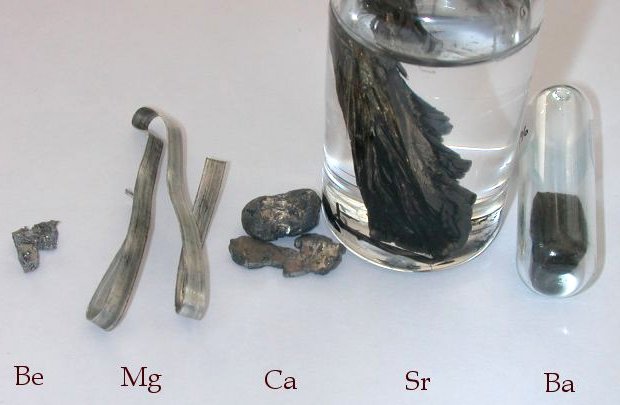



Structure and chemical characteristics
Atoms of these elements have two electrons in their outermost s-orbital, a configuration that favors formation of divalent cations when they react. Producing ions requires removing these two valence electrons; this process involves greater energy than removing a single electron from an alkali atom, which explains the lower reactivity of group 2 members compared with group 1 (ionization energy, valence electrons). In ionic form they most commonly carry a charge of +2, and as ions they are often described and discussed in contexts dealing with ions.
Physical properties and natural occurrence
Alkaline earth metals are typically silvery and are harder and denser than the alkali metals. Their melting and boiling points vary along the series. They are not usually found in nature as pure metals; instead they occur as components of minerals and salts in the Earth’s crust and seawater. Some members (for example, beryllium and radium) have special concerns: beryllium is toxic in dust or fume form, and radium is strongly radioactive and occurs in trace amounts associated with uranium ores.
Uses and importance
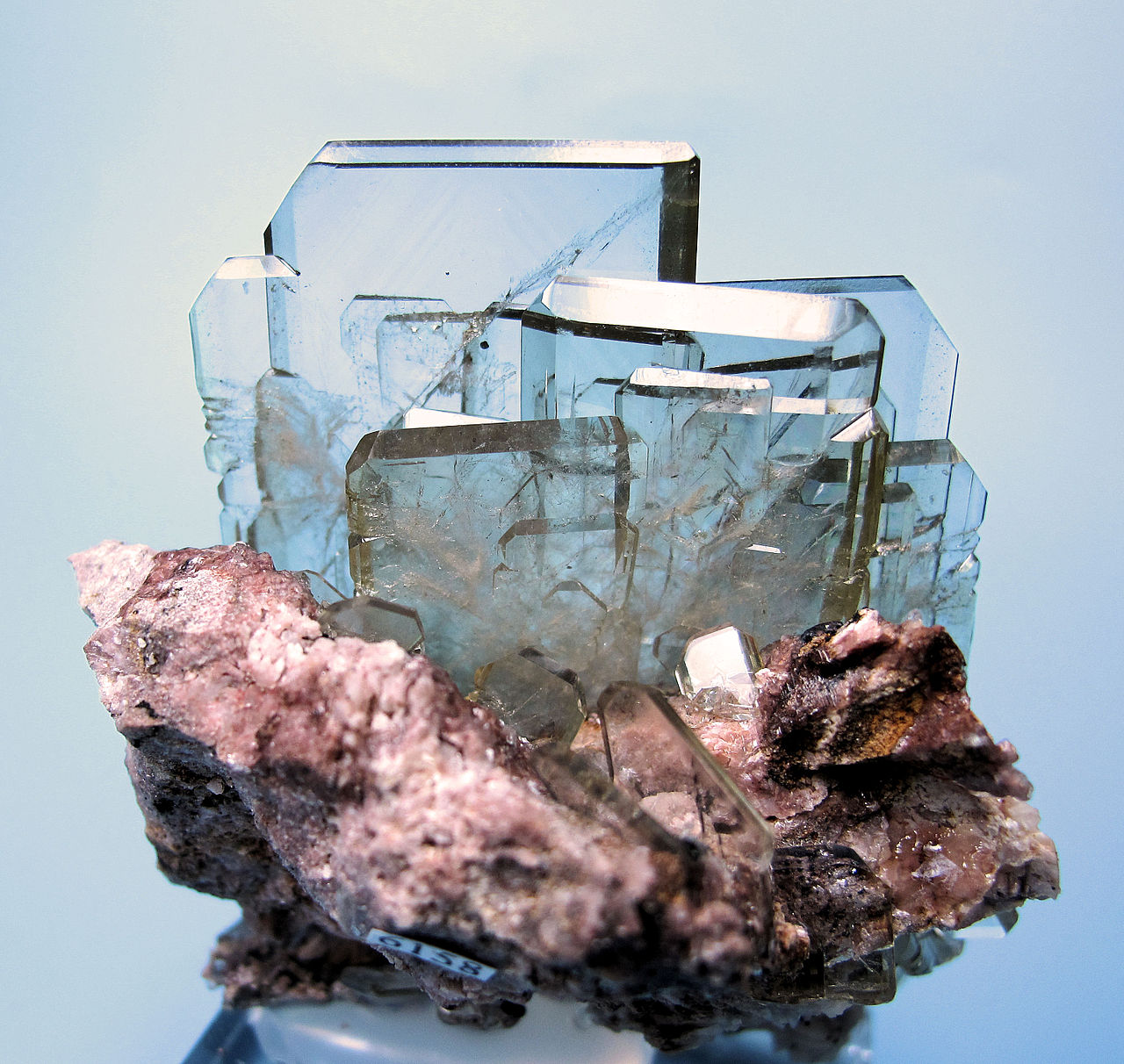
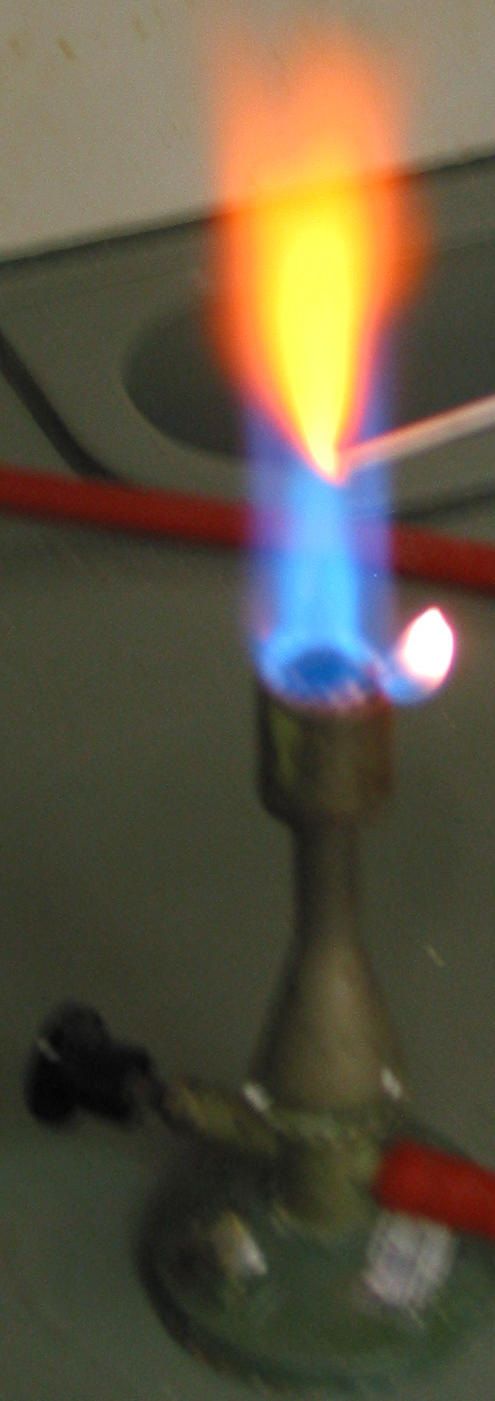
Applications of the group are diverse. Beryllium is valued for stiffness and lightweight properties in aerospace and precision equipment (though its toxicity requires careful handling). Magnesium is widely used in lightweight alloys, in flares and pyrotechnics, and as a chemical reagent. Calcium is central to biological processes, bone structure and is a major component of cement and lime. Strontium compounds create red colors in fireworks and have specialized uses in ceramics and glass; barium is used in medical imaging as a contrast agent (as insoluble barium sulfate) and in drilling fluids, and its salts produce green colors in pyrotechnics. Historical uses of radium included luminous paints and early radiotherapy, though modern practice avoids many such uses because safer radioactive sources and strict controls exist today.
Reactivity and chemical behavior
Reactivity increases down the group: beryllium shows little reaction with water, magnesium reacts slowly with water and more readily with acids, while calcium, strontium and barium react progressively more vigorously with water to form hydroxides and hydrogen gas. All form oxides and hydroxides that are basic in nature; many of their salts (for example, halides, carbonates and sulfates) are widespread in geology and industry.
Distinctions and notable facts
- Group 2 elements typically form stable +2 ions, distinguishing them from group 1 (+1) and transition metals (variable oxidation states).
- Beryllium is uniquely toxic and has specialised structural applications.
- Magnesium and calcium are biologically essential elements, while strontium and barium are mainly industrial or specialized in use.
- Radium is radioactive and was important historically in the development of atomic and medical sciences; its hazards limited modern uses.
For concise element-specific resources and reference pages about individual properties, hazards and industrial uses, consult dedicated element summaries: Beryllium, Magnesium, Calcium, Strontium, Barium, Radium. Additional introductory material on ions, ionization and the periodic table can be found via ions, ionization energy and the periodic table overview.
Related articles
Author
AlegsaOnline.com Alkaline earth metals Leandro Alegsa
URL: https://en.alegsaonline.com/art/2661