
Triglyceride (triacylglycerol): structure, role, and significance
Triglycerides are esters of glycerol and three fatty acids; they serve as the main form of energy storage in animals and plants, are major components of dietary fats and oils, and affect health.
Overview
Triglycerides, also called triacylglycerols, are organic compounds formed when one molecule of glycerol bonds with three fatty acid molecules to form an ester. The backbone molecule, glycerol, is a three‑carbon alcohol; each hydroxyl group can be esterified by a distinct fatty acid. Classified as a type of lipid, triglycerides are abundant in the blood and in body tissues where they function as energy reserves.
Image gallery
4 Images


Structure and properties
Chemically, triglycerides consist of a glycerol esterified to saturated or unsaturated fatty acids of varying chain lengths. The degree of saturation influences physical state: many saturated triglycerides are solid at room temperature (fats), while those with unsaturated chains are liquids (oils). In plants and animals they occur as neutral, nonpolar molecules that are insoluble in water and pack densely in adipose tissue.
Biological role and metabolism
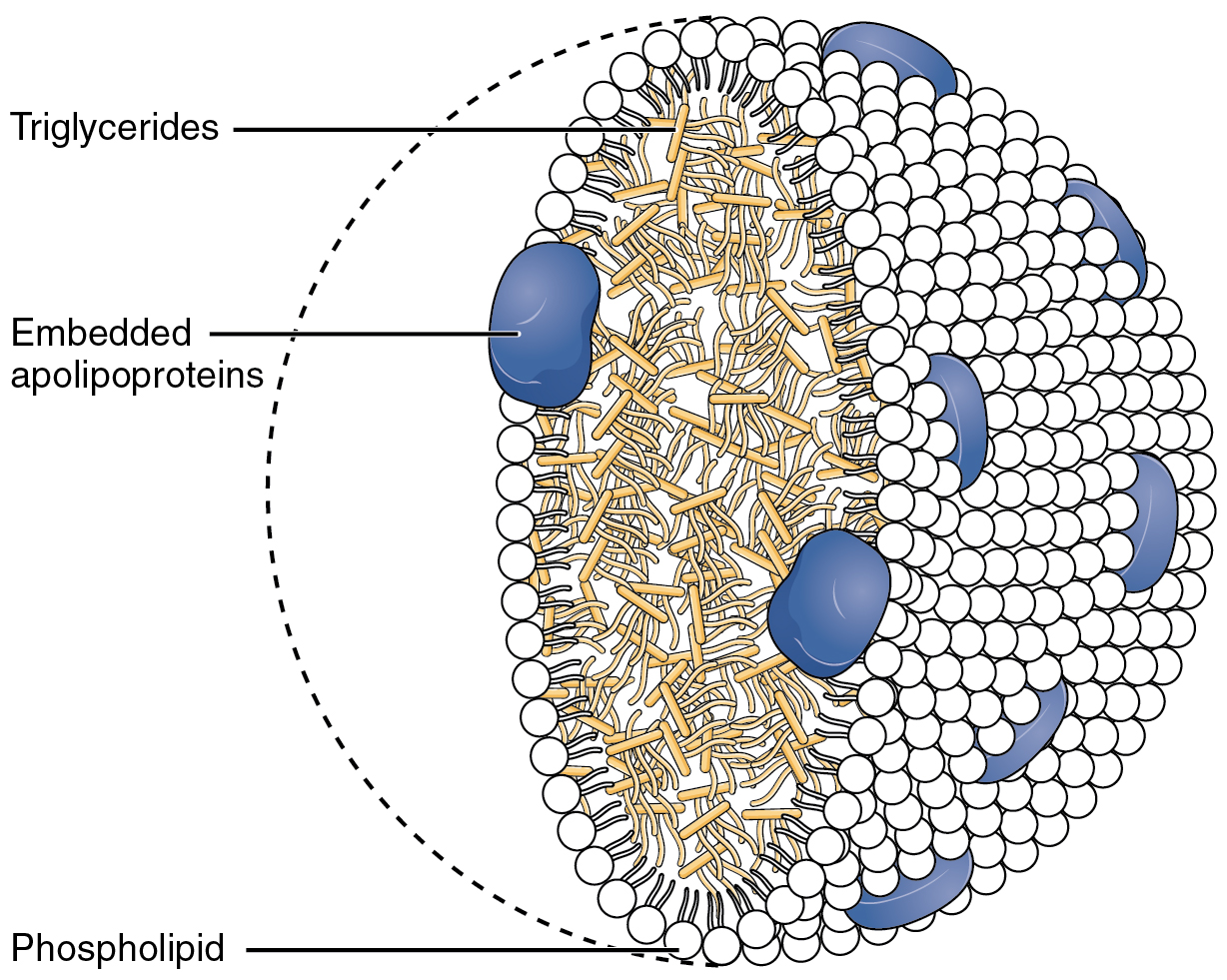
Triglycerides are the principal form of long‑term energy storage in animals. Adipose cells store large droplets of triglyceride; enzymes such as lipases release fatty acids and glycerol for oxidation when energy is required. In the bloodstream triglycerides travel within lipoprotein particles produced by the liver and intestines; adipose tissue and other organs take up fatty acids to fuel metabolism or to reassemble triglycerides for storage.
Sources, functions and examples
- Dietary: The main constituents of vegetable oil and animal fats; common in foods such as butter, lard, fish oil and many plant oils.
- Physiological: Present in adipose depots and in surface lipids like sebum; they supply carbon and energy and support insulation and cushioning.
- Metabolic linkages: Triglyceride levels interact with carbohydrate metabolism—excess calories from glucose can be converted into triglycerides—and with hepatic lipid handling.
Health, measurement, and distinctions
Blood triglyceride concentrations are commonly measured as part of lipid panels because persistently elevated levels are associated with higher risk of cardiovascular diseases and can contribute to pancreatitis when extreme. Levels reflect diet, genetics, exercise, body weight and other medical conditions. Triglycerides differ from phospholipids and sterols in that they are neutral fats primarily for storage rather than membrane structure.
Practical and industrial uses
Beyond biology, triglycerides and their derivatives have applications in food production, soap and detergent manufacture, and renewable fuels (biodiesel derived from vegetable or animal triglycerides). Understanding their chemistry helps in food science, medicine and industrial processing.
For further reading on chemical definitions, metabolism, laboratory testing and dietary guidance, see linked resources: ester chemistry, glycerol, fatty acids, lipid class, blood transport, adipose tissue, glucose conversion, liver function, vegetable oils and cardiovascular risks.
Related articles
Author
AlegsaOnline.com Triglyceride (triacylglycerol): structure, role, and significance Leandro Alegsa
URL: https://en.alegsaonline.com/art/101509
Sources
- chem.qmul.ac.uk : "Nomenclature of Lipids"