
Trinitrotoluene (TNT)
Trinitrotoluene (TNT) is a widely used nitroaromatic explosive notable for its stability, melt-castability, toxicological concerns, forensic detectability and role as a reference for explosive energy.
Overview: Trinitrotoluene, commonly abbreviated TNT, is a nitroaromatic compound used primarily as an explosive and as a benchmark for explosive energy. Chemically a substituted toluene with three nitro groups (C7H5N3O6), it appears as a dense, yellow to orange crystalline solid at room temperature. TNT is classified as a secondary explosive: it is relatively insensitive to shock and friction compared with primary explosives and therefore can be handled, stored and shaped for use in warheads, demolition charges and industrial blasting.
Image gallery
10 Images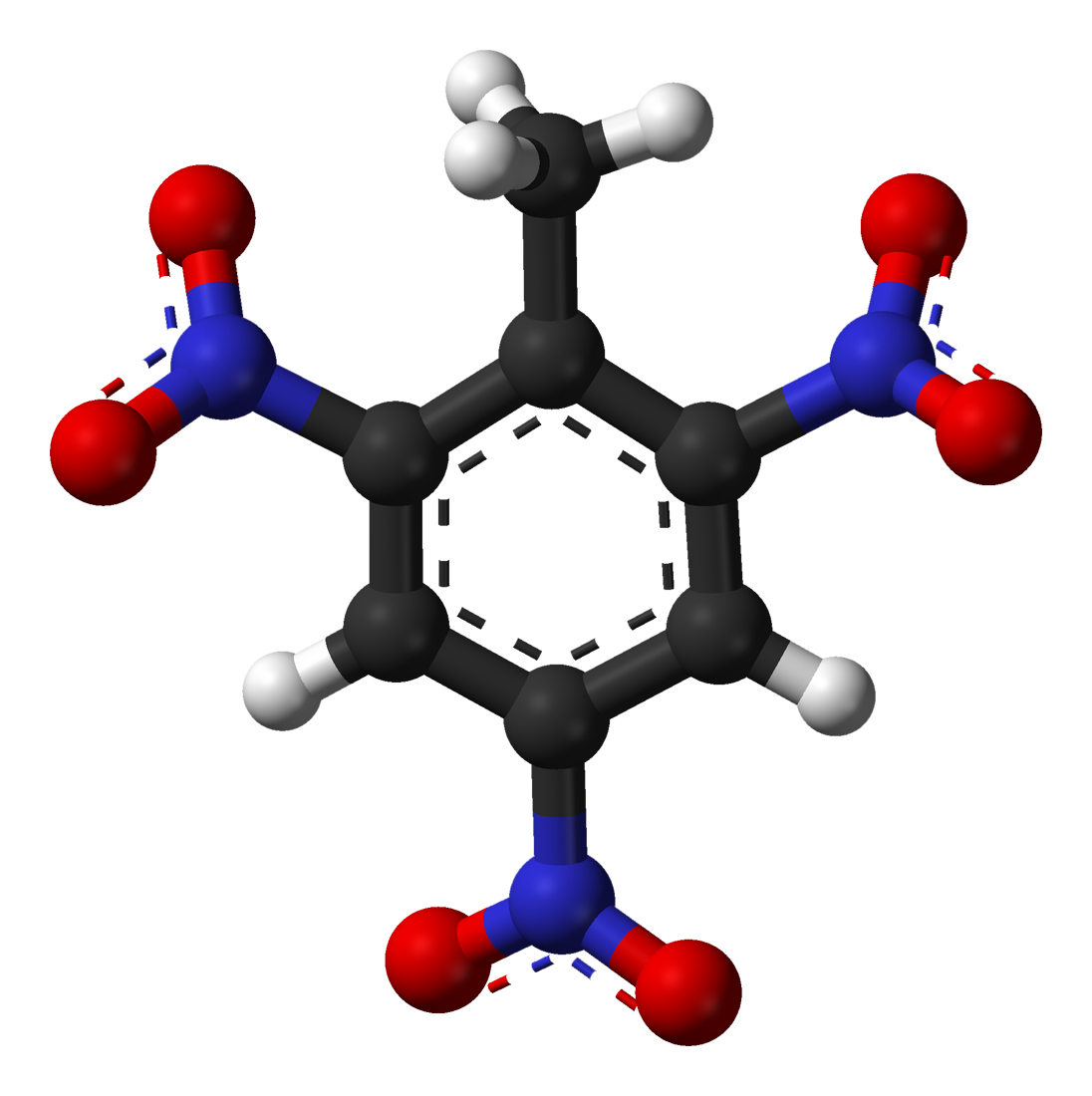



Characteristics and handling
TNT's combination of stability and brisance (shattering power) made it attractive for military and engineering applications. Key characteristics include melt-castability—TNT can be heated to a moderate temperature, poured into casings and allowed to solidify—good storage stability, and a predictable detonation performance when initiated by a detonator. Because it is less sensitive than materials like nitroglycerin, TNT became preferable in many ordnance roles. Nevertheless, safe handling requires trained personnel and proper protective equipment because it is both an energetic material and a chemical hazard.
Uses and examples
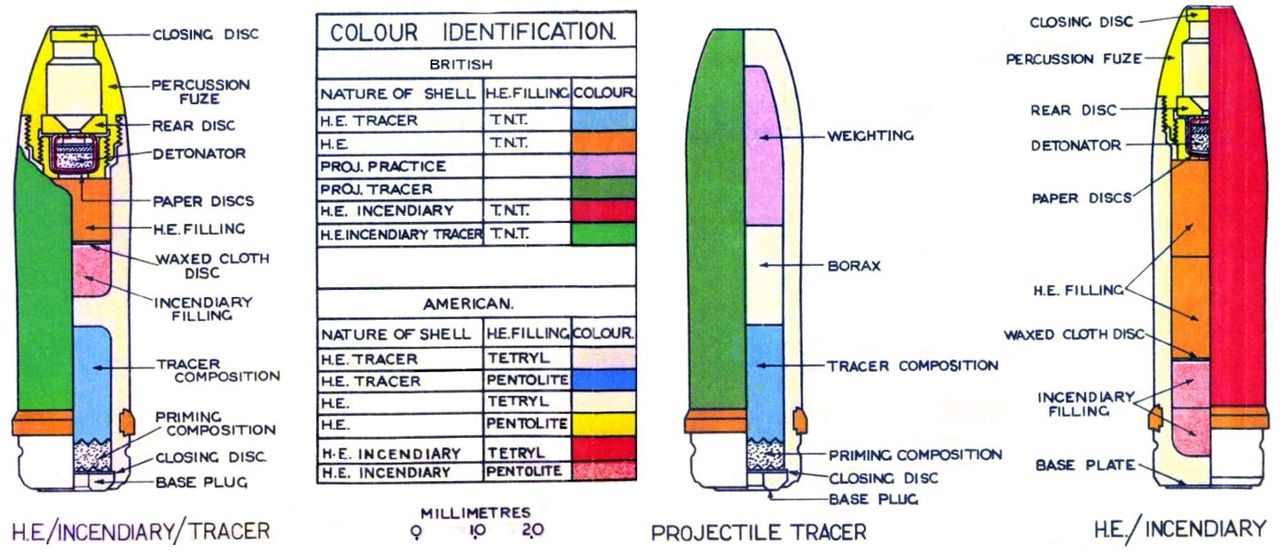
TNT has been employed in a wide range of roles: filling artillery shells and bombs, shaped charges, demolition charges for construction and mining, and as a component in many composite explosives. It has also served as the conventional yardstick for explosive power—"TNT equivalent"—used to compare yields of different explosive events. In practice, TNT is often mixed with other materials to adjust cost, sensitivity or explosive characteristics.
History and distinctions
First synthesized in the 19th century, TNT gained prominence in the 20th century when its operational advantages over some earlier materials became clear. It is frequently compared to dynamite: while both can be used for blasting, they are chemically distinct and have different risks. Dynamite relies on nitroglycerin as the energetic ingredient and is generally more sensitive; see dynamite for related context. The chemical nitroglycerin itself has separate properties and hazards, summarized at nitroglycerin.
Health, environmental effects and detection
TNT is toxic to humans and wildlife if exposure is significant. Occupational contact can cause skin irritation and systemic effects; long-term exposure has been associated with blood and liver effects in industrial settings. Because of these hazards, handling and disposal require controls and monitoring. TNT residues are chemically stable enough that trace amounts can persist on clothing, hair and environmental media, and modern forensic and environmental laboratories can detect those residues using targeted analytical methods. For information on health risks and safety guidelines, see toxicity resources.
Notable facts and contemporary issues
- TNT's relative insensitivity allowed military designers to pack and transport munitions with reduced accidental-detonation risk compared with more sensitive explosives.
- It has been used as a benchmark unit for explosive yield comparisons, giving rise to common phrases that compare energetic events to "tons of TNT."
- Environmental contamination from historic military sites and manufacturing plants remains a remediation challenge because TNT and its degradation products can persist in soil and groundwater without proper cleanup.
Overall, TNT occupies an important place in the history and practice of explosives: its chemical properties made it a practical choice for many applications, but its energetic nature and toxicity require careful respect for safety, environmental stewardship and forensic monitoring.
Related articles
Author
AlegsaOnline.com Trinitrotoluene (TNT) Leandro Alegsa
URL: https://en.alegsaonline.com/art/101536