
Thundersnow: Thunderstorms that Produce Snow
Thundersnow is a winter thunderstorm whose precipitation falls as snow. It occurs where strong convection, cold air and lift combine, notably near lakes, mountains, and some coastal regions.
Overview
Thundersnow describes a thunderstorm in which most or all of the precipitation reaches the ground as snow rather than as rain. The event combines lightning and thunder with heavy snowfall and often brief but intense snow rates. Although uncommon compared with ordinary thunderstorms, thundersnow is a well-documented meteorological phenomenon linked to strong vertical motion in cold environments. It is essentially a form of thunderstorm in which hydrometeors are frozen, producing snow instead of rain.
Image gallery
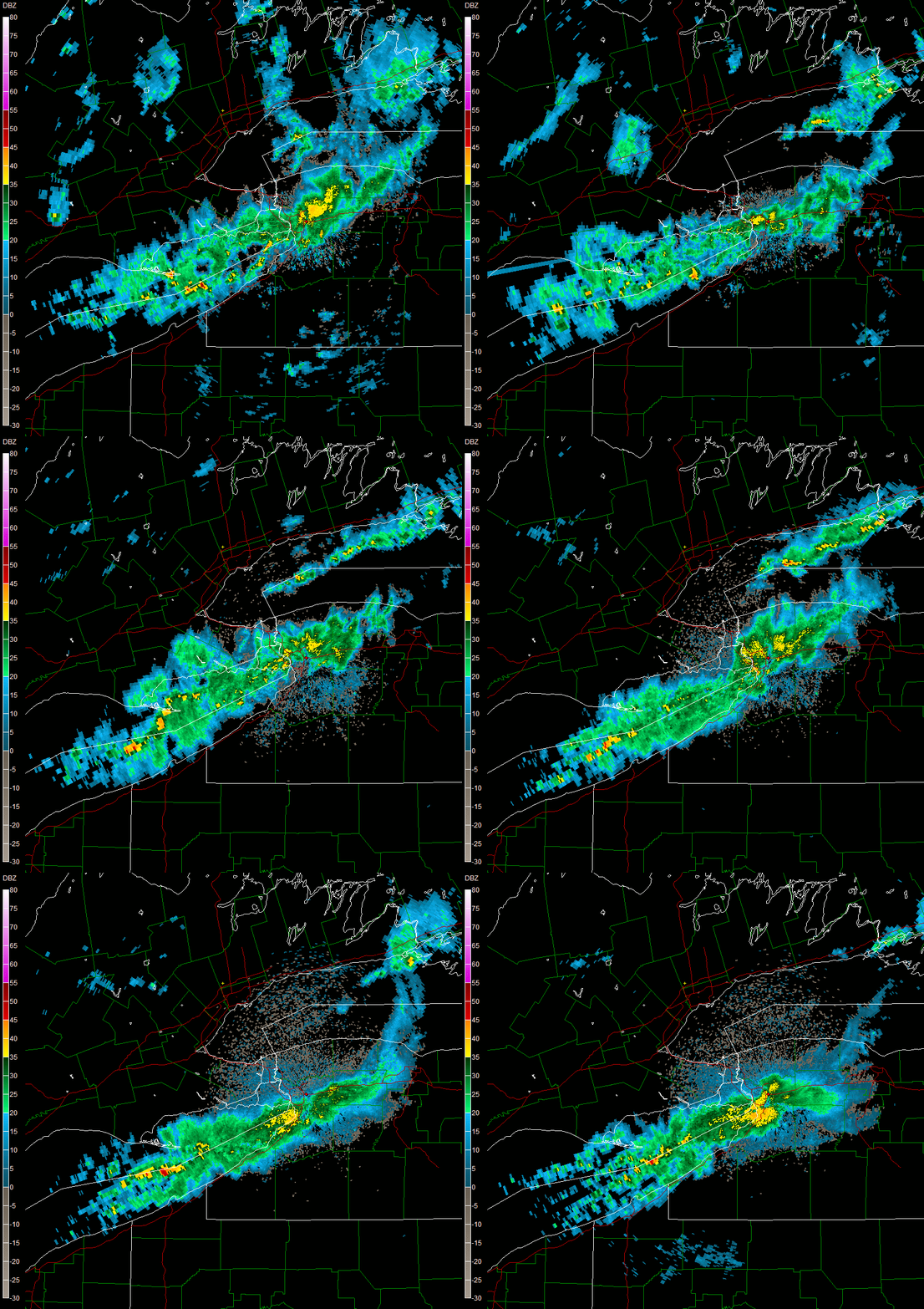
4 Images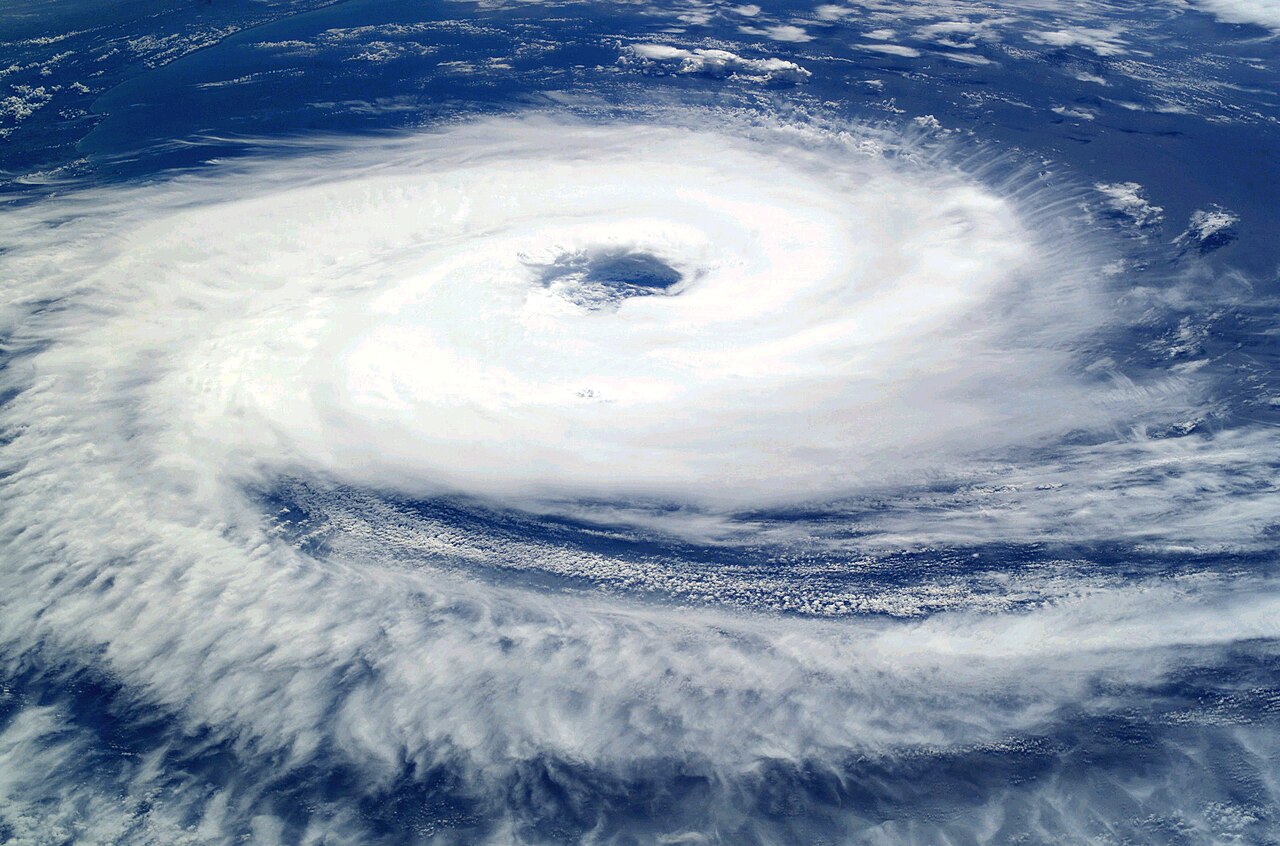


Typical characteristics and formation
Thundersnow generally requires three ingredients: strong upward motion (convection), sufficient moisture, and an unstable layer or sharp temperature contrasts. Common mechanisms include lake-effect or ocean-effect convection when cold air moves over relatively warm water, or orographic lift where air is forced upward by terrain. Intense snowfall rates, localized heavy bands, and diminished thunder audibility because of snow absorption are typical features.
Where and when it occurs
Regions with frequent occurrences include parts of the Midwestern United States, areas around the Great Lakes, and mountainous zones such as the Rocky Mountains. Other notable locations are coastal East Asia near the Sea of Japan, and high-altitude locales like Mount Everest, where cold, unstable air and lift are common. Thundersnow events are most often reported in late winter and early spring, with many occurrences concentrated in March when temperature gradients can be strong.
Impacts and safety
Thundersnow can produce rapid snowfall accumulation, whiteout conditions, and hazardous travel in a short time. Lightning and thunder are present, so lightning safety applies even in snowy weather: seek shelter and avoid exposed locations. Forecasters may have difficulty predicting the exact location and timing of thundersnow because it relies on small-scale convective processes within broader winter systems.
Distinctions and notable facts
- Thundersnow is less common than summer thunderstorms but can be more intense at a small scale.
- Lightning may sound muffled or closer than it appears due to snow absorbing high-frequency sound.
- Lake-effect and orographic settings are especially favorable for thundersnow.
Understanding thundersnow helps forecasters, emergency planners, and the public prepare for sudden winter hazards where convective snowfall and electrified storms coincide.
Related articles
Author
AlegsaOnline.com Thundersnow: Thunderstorms that Produce Snow Leandro Alegsa
URL: https://en.alegsaonline.com/art/99709