
Tor (rock outcrop) — formation, features, and examples
A tor is an exposed rock outcrop shaped by weathering and erosion, typically found on hills. This article explains how tors form, their characteristics, where they occur, and their cultural and scientific significance.
A tor is an exposed mass of bedrock standing above the surrounding terrain, often forming a distinctive rocky summit or cluster. Tors develop where resistant rock remains after softer surrounding material has been removed, so they appear as isolated pinnacles, stacks or bouldery ridges on hilltops and slopes. Many statements about tors emphasize their origin as a form of rock outcrop shaped by long-term surface processes.
Image gallery
5 Images
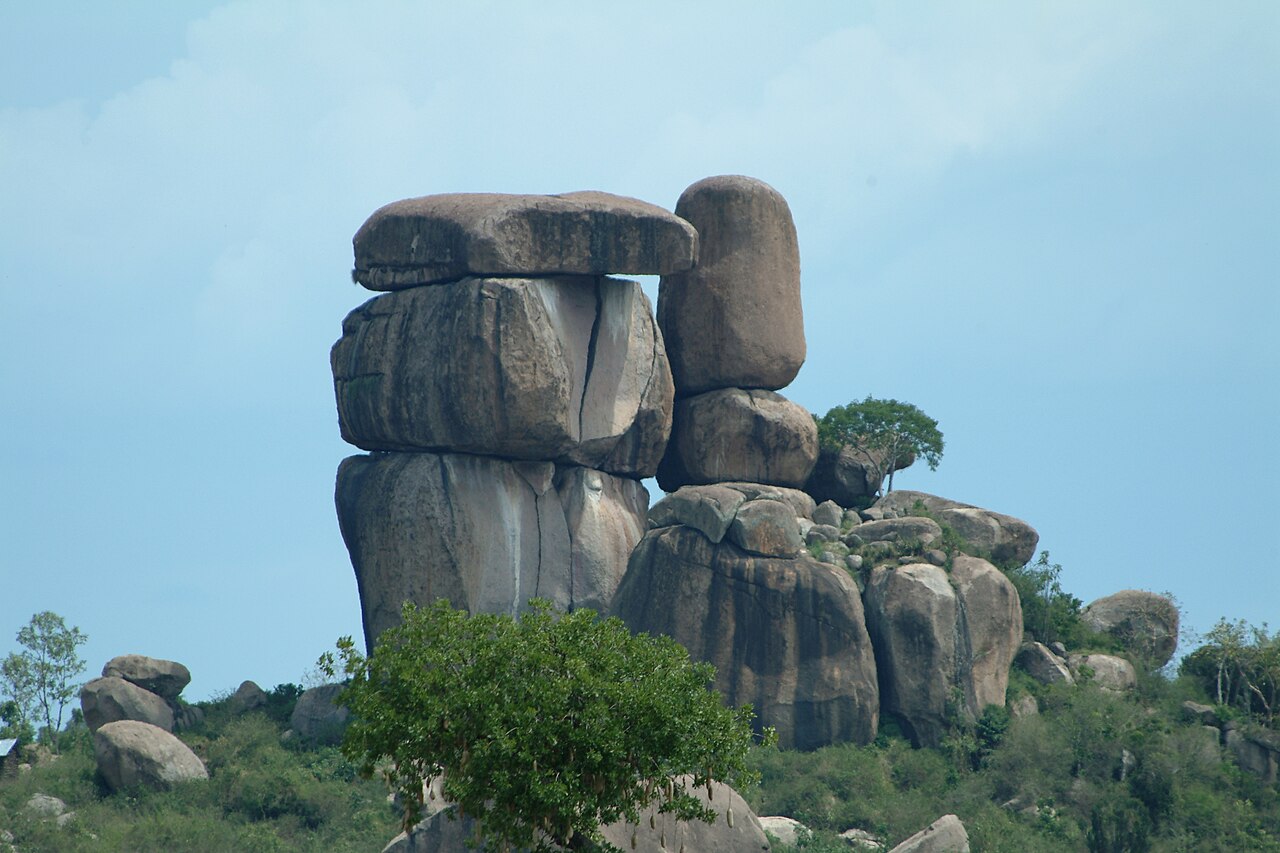


Formation and processes
Tors result from a combination of physical and chemical breakdown of rock and the removal of loosened material. Chemical reactions in near-surface joints can round and separate blocks into corestones, a process sometimes called spheroidal weathering. Later, physical agents such as freeze–thaw, wind and runoff work to detach and transport weathered debris, a suite of actions commonly grouped under weathering. Differential resistance between rock layers and joint patterns controls the final shape.
Characteristics and rock types
Although granite tors are well known, tors can form in various lithologies including gneiss, quartzite and sandstone. Typical features include stacked boulders, exposed joint faces, cavities and talus at the base. They are frequently found on uplands because higher relief exposes bedrock and promotes the concentration of erosive processes that remove surrounding material, a process broadly connected with erosion.
Distribution and notable examples
Classic concentrations of tors occur on the moors of southwestern England, where examples such as Haytor and Hound Tor illustrate granite tor morphology. Tors also appear in other upland regions worldwide where durable rock and appropriate weathering have coincided. They commonly sit near or atop hills, ridges and plateaus, making them prominent landscape landmarks.
Significance and distinctions
- Scientific: Tors give clues about bedrock structure, weathering histories and paleoclimates.
- Geomorphology: They differ from inselbergs or bornhardts in scale and origin, and from coastal stacks by setting and process.
- Cultural: Many tors carry archaeological sites, local legends, and attract hikers and climbers.
Because tors record long-term interactions between rock properties and surface processes, they are important both as scenic landmarks and as natural archives that help geologists and geomorphologists interpret landscape evolution.
Related articles
Author
AlegsaOnline.com Tor (rock outcrop) — formation, features, and examples Leandro Alegsa
URL: https://en.alegsaonline.com/art/100668