
The Little Mermaid (statue) in Copenhagen
Bronze statue by Edvard Eriksen (1913) on a harbor rock in Copenhagen, inspired by Hans Christian Andersen’s fairy tale; gift from Carl Jacobsen and subject of cultural significance and repeated vandalism.
The Little Mermaid is a small bronze sculpture that has become an enduring symbol of Copenhagen and a frequent subject of international tourism and commentary. Known in Danish as Den lille Havfrue, the work stands on a rock at the Copenhagen harbour promenade and is one of the city's most photographed sights. It was created by sculptor Edvard Eriksen and presented to the public on 23 August 1913. The figure, measuring about 1.25 metres tall, was inspired by a ballet performance based on the fairy tale the same name by Hans Christian Andersen.
Image gallery
6 Images


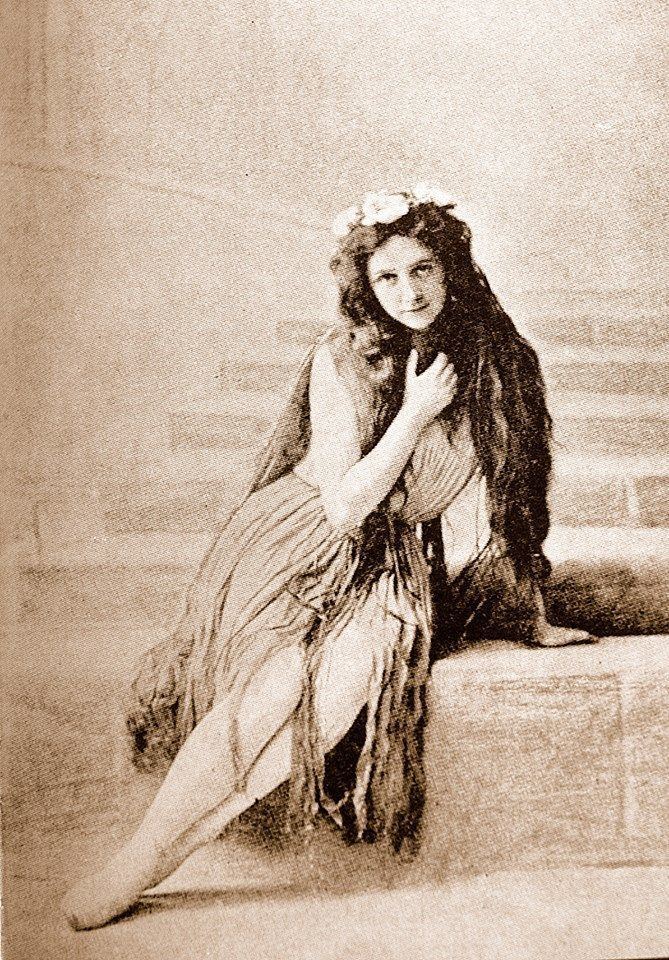

Design, commission and models
The commission came from brewer and patron Carl Jacobsen, who admired a stage interpretation and wanted a permanent representation on the waterfront. Eriksen executed the sculpture in bronze. The head of the statue was modelled after the ballerina Ellen Price, who danced the role on stage; however, because she declined to pose nude, the sculptor's wife, Eline Eriksen, modelled for the body. The combination produced a restrained, contemplative figure that emphasizes mood over movement.
Location and physical characteristics
The statue sits on a rock just off the Langelinie promenade and is accessible to visitors along the harbour edge. Despite its symbolic prominence, the figure is modest in scale and deliberately low to the water, creating an intimate relationship with the sea and the shoreline. It is frequently described simply as a statue of a mermaid, yet its cultural resonance connects to Denmark's literary and maritime traditions.
History, significance and reception
From its unveiling in 1913 the work has been both beloved and debated: admired for its quiet melancholy and criticized by some for its small size compared with the attention it attracts. As a gift from the Jacobsen family—whose brewery legacy is associated with Carlsberg—the statue also illustrates early 20th‑century patterns of private patronage of public art. Over time the figure has been reproduced in souvenirs, postcards and cultural references, strengthening its role as an unofficial emblem of Denmark.
Vandalism, restoration and conservation
The statue has been the target of repeated attacks and political protests since the mid‑20th century. Acts have included paintings, decapitation and other physical damage. Notable episodes saw the head removed and later returned, and an explosive device knocked the figure off its base in 2003; each time the sculpture has been repaired and restored to its rock. These incidents have provoked discussion about protection of public monuments, freedom of expression and the tensions between tourism and preservation. For commentary on these themes, see material on vandalism and cultural property.
Visiting and further reading
- Location: harbourfront near Langelinie, Copenhagen, Denmark.
- Inspiration: Andersen's tale, commonly titled The Little Mermaid, and related stage adaptations.
- Artists and patrons: sculptor Edvard Eriksen and patron Carl Jacobsen.
The Little Mermaid continues to draw debate about how small-scale public art can carry large symbolic weight, and how cities balance accessibility with the need to protect historic works. For images and official visitor information consult local cultural resources and museum guides Den lille Havfrue, or further archives on public sculpture and the history of Copenhagen's harbourfront.
Questions and answers
Q: What is the Little Mermaid?
A: The Little Mermaid is a statue in Copenhagen, Denmark.
Q: Where is the Little Mermaid situated?
A: The Little Mermaid sits on a rock in the harbor.
Q: Who created the Little Mermaid statue?
A: Sculptor Edvard Eriksen created the bronze statue.
Q: When was the Little Mermaid statue presented to the public?
A: The statue was presented to the public on 23 August 1913.
Q: Who inspired the Little Mermaid statue?
A: The statue was inspired by a performance of a ballet based on the fairy tale The Little Mermaid by Hans Christian Andersen.
Q: Why did Ellen Price not pose for the entire statue?
A: Ellen Price did not agree to pose in the nude, so the sculptor's wife, Eline Eriksen, posed for the body.
Q: Has the Little Mermaid statue been vandalized before?
A: Yes, the Little Mermaid has been the victim of vandalism many times since the 1960s, and has been repaired after such acts.
Related articles
Author
AlegsaOnline.com The Little Mermaid (statue) in Copenhagen Leandro Alegsa
URL: https://en.alegsaonline.com/art/98361
Sources
- denmark.net : Little Mermaid Copenhagen
- copenhagenpictures.dk : "The Little Mermaid statue in Copenhagen Harbor"
- news.bbc.co.uk : Little Mermaid's unexpected swim