
The Little Mermaid: Andersen’s Tale, Themes, and Cultural Legacy
An overview of Hans Christian Andersen’s fairy tale The Little Mermaid, its plot, themes, adaptations, and cultural impact, including the Copenhagen statue and notable versions.
Overview
The Little Mermaid is a literary fairy tale written by Hans Christian Andersen and first published in Copenhagen in 1837 as part of a collection that also included The Emperor's New Clothes. Andersen's prose tale differs from many traditional folktales by combining melancholic realism with moral and spiritual questions; it follows a young mermaid's longing to become human and to win an immortal soul.
Image gallery
7 Images



Plot and characters
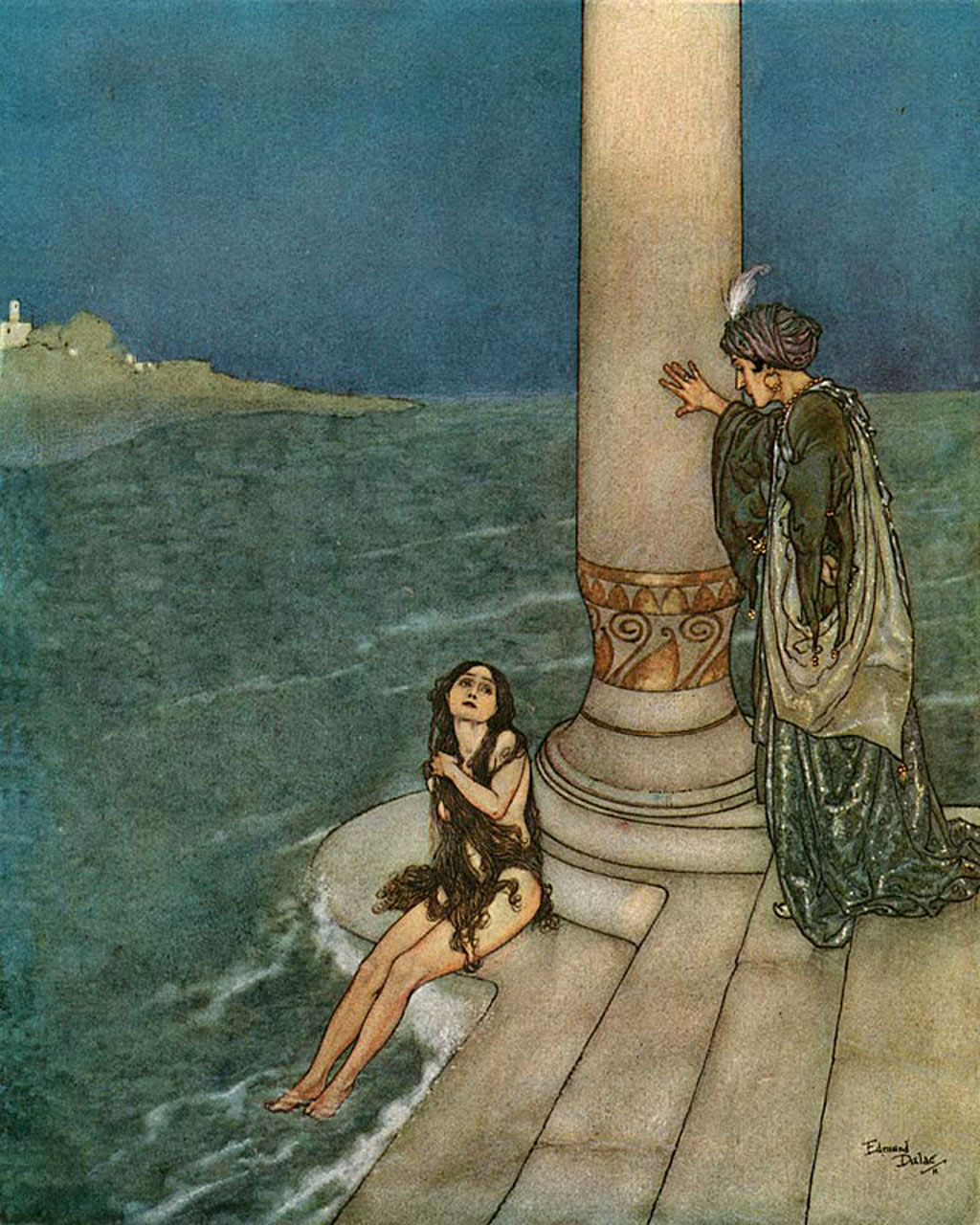
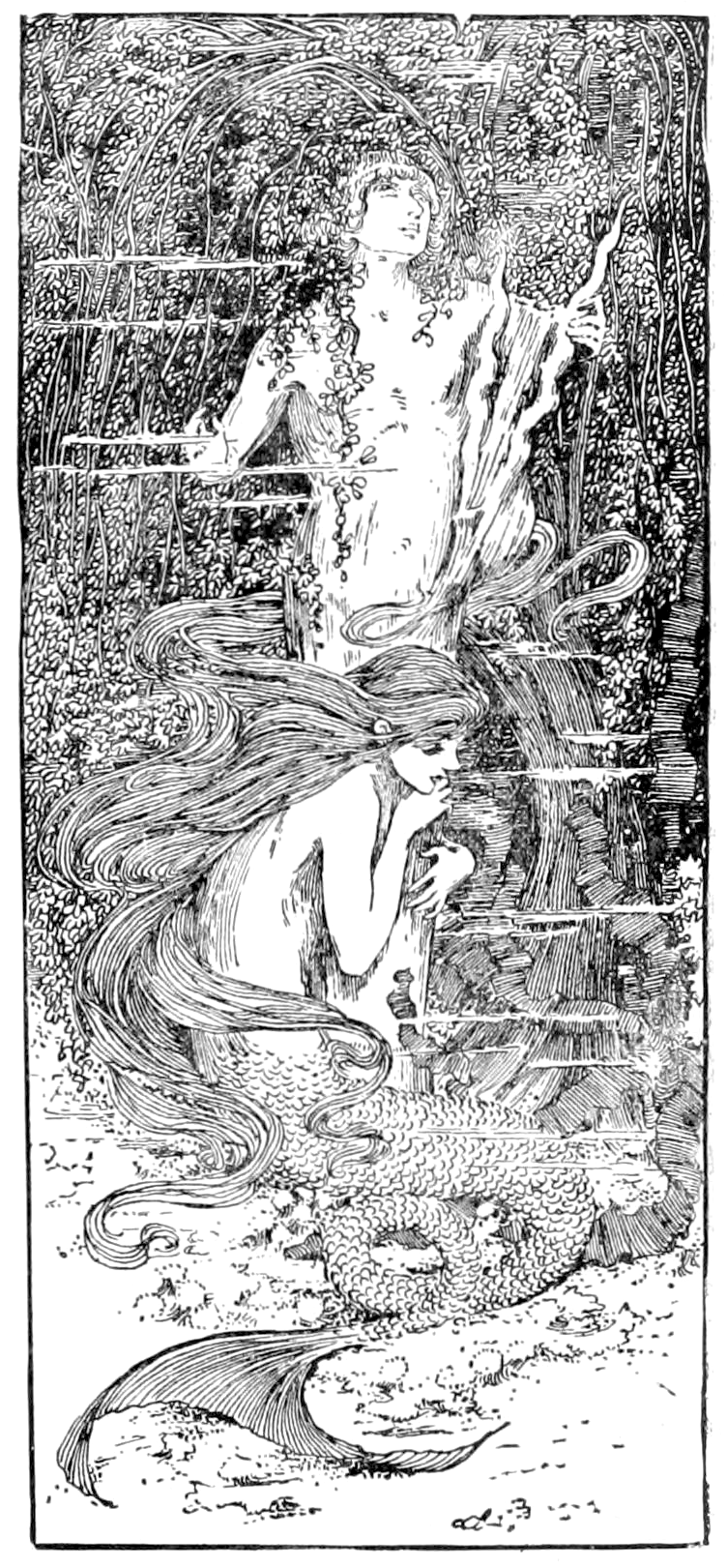
The story centers on a mermaid princess who is fascinated by the world above the waves. After saving a human prince from drowning, she sacrifices her voice to a sea witch in exchange for legs. Despite gaining a human form, she cannot secure the prince's exclusive love. Facing loss and spiritual consequence, she ultimately accepts a fate that blends personal sacrifice with a promise of spiritual elevation. Major characters include the little mermaid herself, the prince, the sea witch, and the mermaid's sisters.
Themes and motifs
Commonly noted themes are yearning, transformation, unrequited love, sacrifice, and the contrast between physical desire and spiritual aspiration. Andersen treats suffering and self-denial as pathways to moral growth, and the tale contains elements of Christian and Romantic thought about the soul and immortality.
Cultural impact and adaptations
The tale has been reinterpreted across forms and eras: operas, ballets, dramatic stage works, and animated movies and other cinematic films. One famous modern adaptation transformed the story into a family-oriented animated feature that significantly shaped popular perceptions of the mermaid character, while other versions restore Andersen's darker, more ambiguous ending.
Monument and tourism
A small bronze statue inspired by the story stands in the harbor of Copenhagen, near the water referred to in tourist guides and local histories as the city's harbor landmark. The sculpture has become a widely recognized emblem of the city and a frequent subject in travel writing and photography.
Notable distinctions
- The literary tale is distinct from oral folktales because Andersen wrote it as a crafted, single-author narrative rather than a communal folk story.
- Different adaptations emphasize either the romantic aspects or Andersen's themes of spiritual consequence and moral growth.
- The story's enduring appeal lies in its blending of melancholy, moral questioning, and vivid imagery.
For further reading on Andersen's life, the story's publication, and major interpretations, consult critical editions and dedicated analyses of his fairy tales.
Related articles
Author
AlegsaOnline.com The Little Mermaid: Andersen’s Tale, Themes, and Cultural Legacy Leandro Alegsa
URL: https://en.alegsaonline.com/art/98363