
Adi Shankara: Founder of Advaita Vedanta and Classical Indian Philosopher
8th-century Indian philosopher and theologian credited with consolidating Advaita Vedanta, writing key commentaries, founding four monastic centers, and shaping later Hindu thought.
Adi Shankara, often called Shankaracharya, is a central figure in classical Indian thought and the most widely cited exponent of Advaita Vedanta. Traditionally placed in the early medieval period (commonly the 8th century, though precise dates vary), he is remembered as an energetic teacher who travelled across the subcontinent to debate, teach, and reform monastic practice. Contemporary summaries describe him as an Indian religious philosopher whose efforts helped systematize the nondual interpretation of Vedanta and renewed study of foundational texts.
Image gallery
10 Images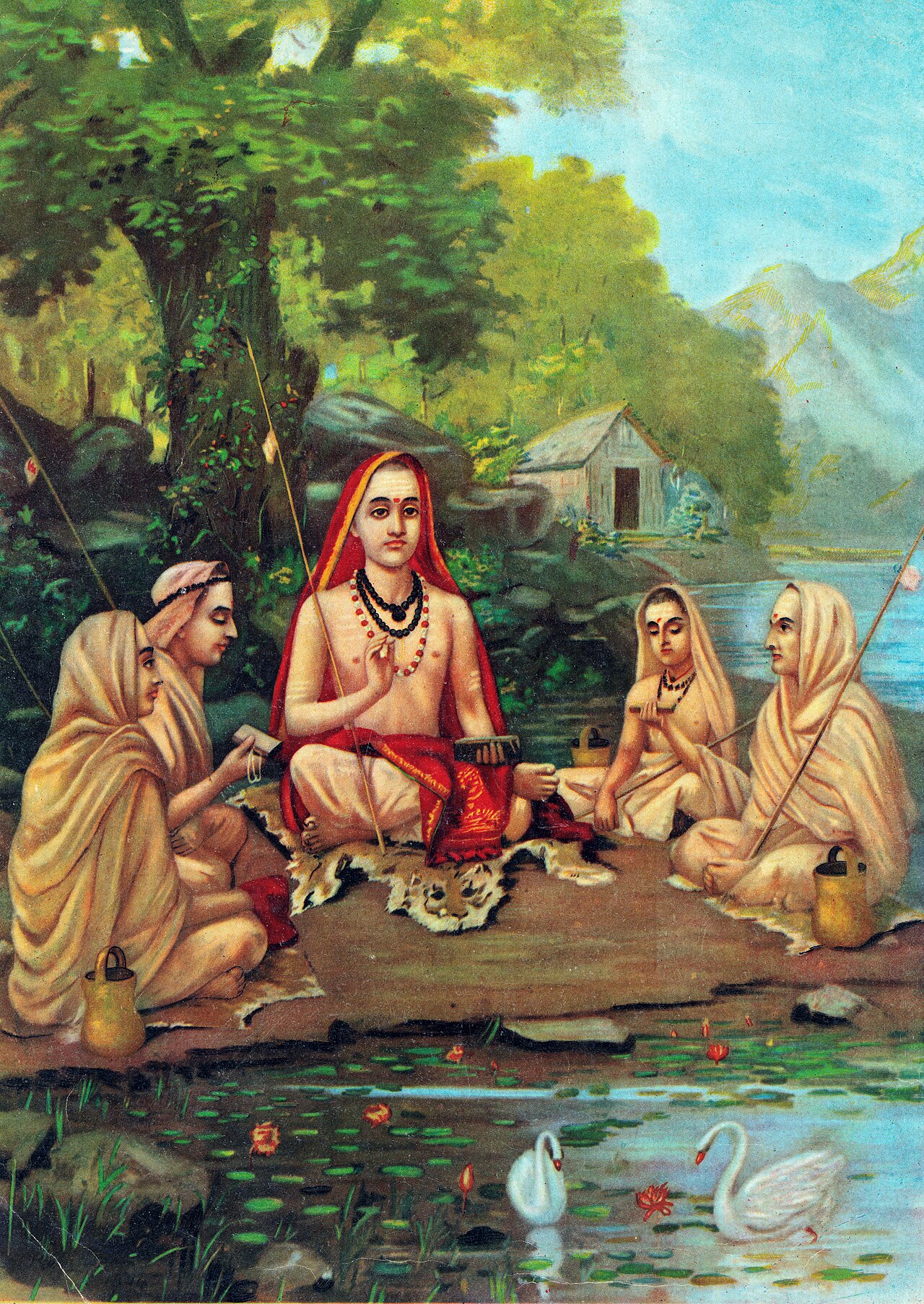





Philosophy and major writings
Shankara advocated Advaita (nondualism), the view that the ultimate reality, Brahman, alone is real while the multiplicity of the world is illusory or conditioned by ignorance (maya). In this scheme the individual self (jiva) is not ultimately separate from Brahman; liberation (moksha) consists in direct realization of that identity. He is best known for his lucid commentaries on canonical scriptures: the principal Upanishads, the Brahma Sūtra (Brahma Sūtra Bhashya) and the Bhagavad Gītā. These commentaries frame Vedantic concepts in a tightly argued, metaphysical manner and remain standard references in many traditions.
In addition to commentarial work, several independent texts are attributed to him. Important among these are the Upadeśasāhasrī, an instructional prose work, and shorter devotional and philosophical pieces traditionally linked to his name. Some devotional compositions such as the Saundarya Lahari — a hymn that praises the goddess Lakshmi and explores tantric imagery — and the didactic poem Vivekachudamani have contested authorship in modern scholarship, but they have long been associated with his intellectual legacy. Many of his writings were composed in Sanskrit and have been preserved in manuscript and printed form; later commentators and teachers continued to expand on his interpretations.
Life, teachers and travels
Biographical accounts of Shankara are derived mainly from hagiographies compiled centuries after his life and therefore mix historical detail with devotional legend. He is traditionally said to have been born at Kalady in present-day Kerala. According to classical accounts his teacher was Govinda Bhagavatpada, who in turn is connected in lineage to the earlier seer Gaudapada; Gaudapada is sometimes described as having lived as a contemplative on the banks of the Narmada. Many narratives depict Shankara travelling across Ancient India to teach, to engage in philosophical debate with other schools, and to revive monastic discipline.
- Selected works and genres:
- Books and commentaries on Upanishads, Brahma Sūtra, and Bhagavad Gītā
- Instructional prose, hymns and stotras
- Shorter philosophical treatises often preserved under his name
To secure and propagate the Advaita teaching, Shankara is credited with organizing four principal monastic centers (mathas) placed at strategic regional points. These institutions became custodians of doctrine, ritual, and scholarly training, and they played a continuing role in religious life across India.
- The four traditional mathas:
- North — Jyotirmath (often associated with Badrinath)
- West — Dvārakā or Sharda Pīṭha (Dwarka)
- East — Govardhana Pīṭha (Puri)
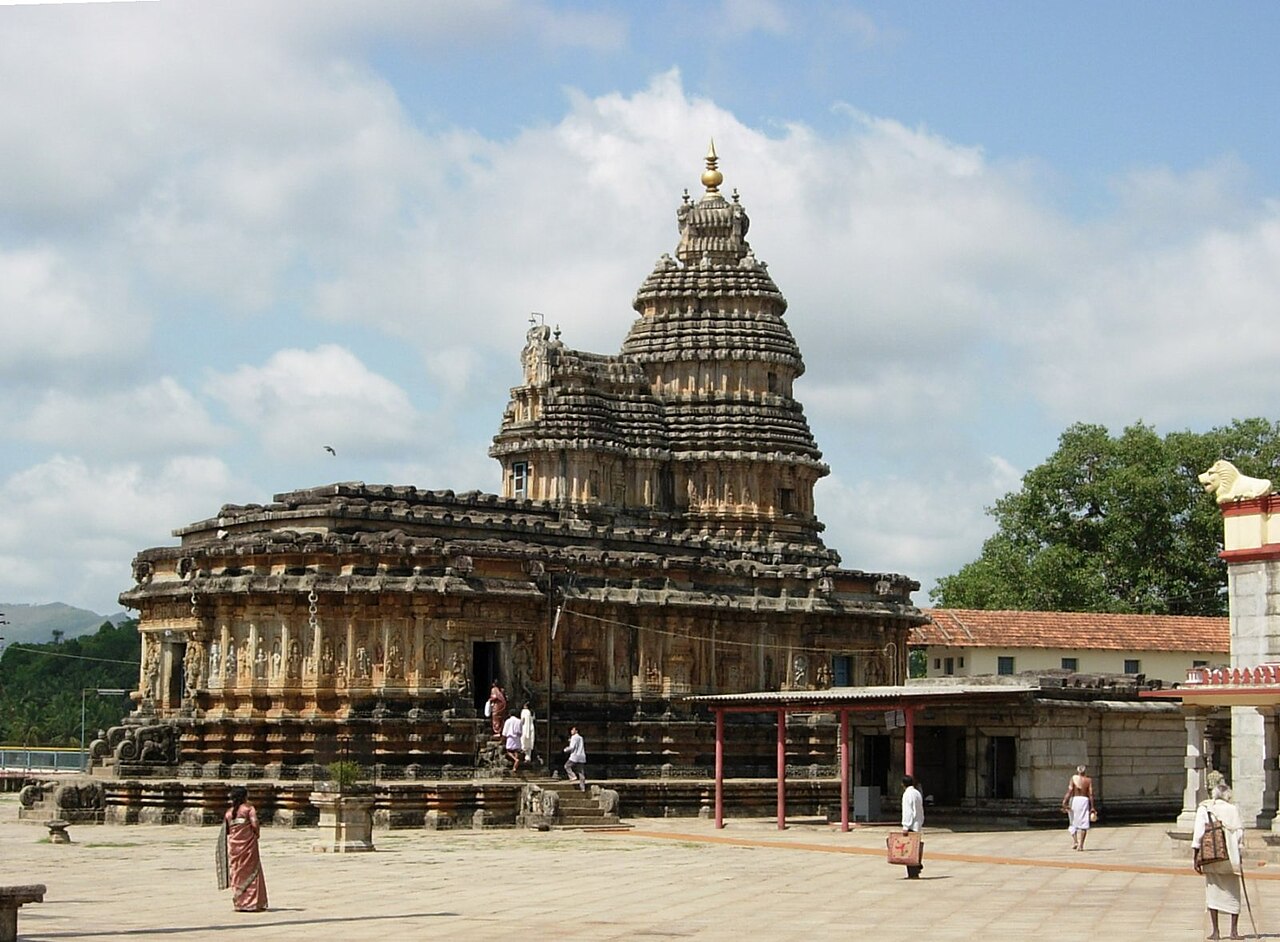
- South — Śringeri Śarada Pīṭha (Sringeri)
Legacy and influence. Shankara's synthesis reshaped the study of Vedanta by bringing together scriptural exegesis, logical argumentation, and ascetic practice. His work influenced medieval Hindu thought, inspired later commentarial traditions, and remains central to many schools that identify with Advaita. Scholars note, however, that the historical reconstruction of his life relies on later sources and that his reception varied regionally. Today his writings and the institutions associated with him continue to be studied both within religious communities and in academic contexts, where they are examined for their metaphysical claims, hermeneutical method, and historical impact.
For further reading, interested readers may consult classical editions and modern studies that explore the texts attributed to Shankara, their manuscript history, and the debates over authorship and chronology; these discussions illuminate both the spiritual and intellectual contours of a tradition that has been influential in shaping South Asian religious history.
Hindu traditions, scholarly commentaries, and living monastic lineages preserve and debate his teachings; modern introductions and specialized studies offer accessible entry points for students and general readers.
Related articles
Author
AlegsaOnline.com Adi Shankara: Founder of Advaita Vedanta and Classical Indian Philosopher Leandro Alegsa
URL: https://en.alegsaonline.com/art/981