
Ancient India: Civilizations, Empires, Religions and Cultural Legacy
Survey of Ancient India: its major civilizations, empires, religions, social structures, scientific and artistic achievements, and lasting cultural influence across South Asia.
Overview
Ancient India refers to a long-standing series of cultures and polities on the Indian subcontinent, encompassing territories of present-day India, Pakistan and Bangladesh. It is recognized as a long-lived civilization with a distinctive culture that developed over millennia through local innovation and contacts with neighbouring regions. The region produced early urban settlements, complex social institutions, and major religious traditions whose texts and practices shaped large parts of Asia.
Image gallery
5 Images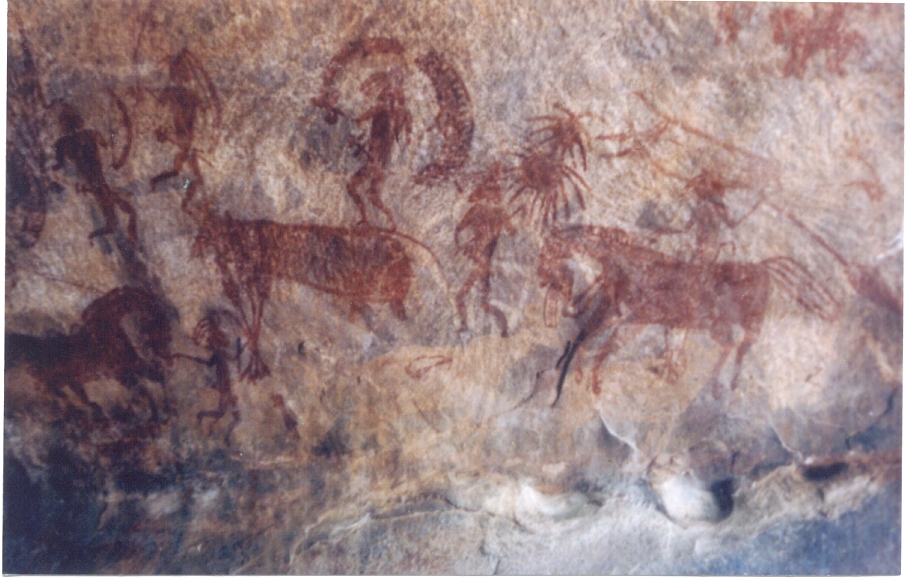



Major civilizations and empires
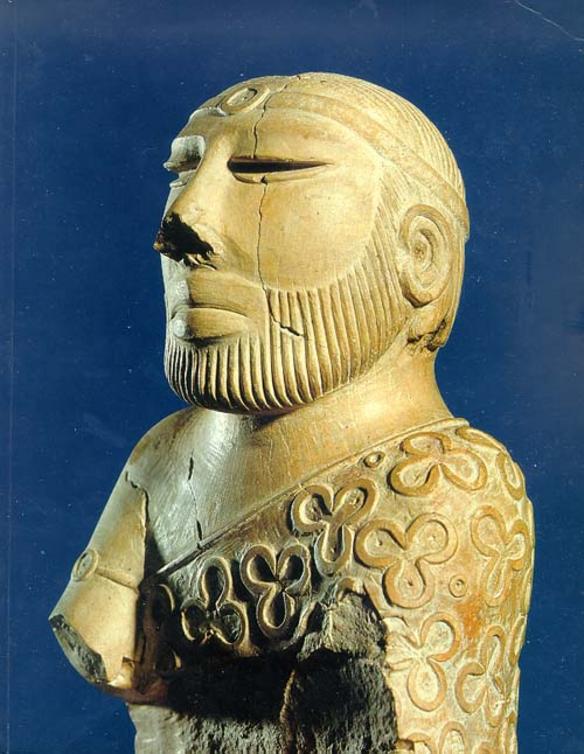
The earliest well-documented urban society is the Indus Valley Civilization (approximately 2600–1900 BCE), centered on the Indus River and its tributaries. Sites such as Harappa and Mohenjo-daro show planned streets, baked-brick houses and sophisticated drainage. The Indus script remains undeciphered and many aspects of its social and political organization are still debated.
In the first millennium BCE and the early centuries CE, several large states and empires emerged. The Maurya Empire unified much of the subcontinent in the 4th–3rd centuries BCE. Its most famous ruler, Ashoka, after campaigning militarily, embraced and promoted the principle of ahimsa (non-violence) and the ethical teachings of Buddhism. His policies and public inscriptions, known as the Edicts of Ashoka, record moral guidance and administrative concerns and helped spread Buddhist ideas within the subcontinent and, through missions and cultural exchange, into parts of East and South-East Asia.
The later Gupta period (often dated to the 4th–6th centuries CE) is frequently described as a classical age in which Sanskrit literature, monumental sculpture, and advances in science and mathematics flourished under patronage from regional kings.
Religion, society and literature
Religion played a central role. Hindu traditions trace roots to the Vedic corpus and evolving philosophies such as the Upanishads; Buddhism and Jainism arose as reform movements addressing ritual practice and ethical life. Social organization included varna-based roles (later evolving into hereditary caste systems), varied regional practices, and a range of vernacular languages alongside classical Sanskrit and Prakrits. Epic narratives like the Mahabharata and Ramayana, along with religious and philosophical texts, shaped cultural norms and artistic themes.
Science, arts and economy
Ancient India made enduring contributions in astronomy, mathematics (including early formulations of place-value arithmetic and the concept of zero), medicine (Ayurvedic traditions), metallurgy and craftsmanship. Trade—both inland and maritime—linked the subcontinent to West Asia and Southeast Asia, carrying goods, ideas and religions. Temple architecture, sculpture and coinage reflect both regional styles and pan-Indian motifs developed over centuries.
Legacy and notable distinctions
- Urban planning and civic amenities in Indus cities are notable for their period.
- Religious texts and ethical frameworks from ancient India continue to influence millions today.
- Scholarly traditions in grammar, logic and philosophy set precedents for later intellectual work.
Understanding Ancient India involves piecing together archaeological evidence, inscriptions, literary works and later historical accounts. Its cultural and intellectual achievements provided foundations for diverse societies across South Asia and beyond, and they remain subjects of active study and public interest.
Questions and answers
Q: Where did the Indus Valley Civilization flourish?
A: The Indus Valley Civilization flourished around the Indus River and its tributaries in several countries including modern-day India, Pakistan and Bangladesh.
Q: When did the Indus Valley Civilization exist?
A: The Indus Valley Civilization existed from about 2600 BCE to 1900 BCE.
Q: What is the significance of Indus Valley Civilization?
A: Indus Valley Civilization marked the beginning of urban civilization on the subcontinent.
Q: Who founded the Maurya Empire and when?
A: Maurya Empire was founded in 321 BCE and it was founded by an unknown warrior of humble origins.
Q: What is Ashoka the Great known for?
A: Ashoka the Great is known for following a policy of ahimsa (non-violence) after converting to Buddhism, and spreading Buddhist ideals across East Asia and South-East Asia using the Edicts of Ashoka.
Q: When did Ashoka convert to Buddhism?
A: Ashoka converted to Buddhism after initially seeking to expand his kingdom, during his reign as the Maurya Emperor in ancient India.
Q: Who was Gupta and what is he known for?
A: Gupta was an important ruler during the Gupta period and he is known for being a wise and noble person.
Related articles
Author
AlegsaOnline.com Ancient India: Civilizations, Empires, Religions and Cultural Legacy Leandro Alegsa
URL: https://en.alegsaonline.com/art/3849
Sources
- indianrajputs.com : "History of Rajputs in India"
- britannica.com : "Rajput - Indian history"