
Tanami Desert: Arid Wilderness and Biodiversity Refuge in Australia's Northern Territory
Overview of the Tanami Desert in Australia's Northern Territory — a remote arid wilderness traversed by the Tanami Track and recognised as a biodiversity refuge for rare mammals and birds with conservation significance.
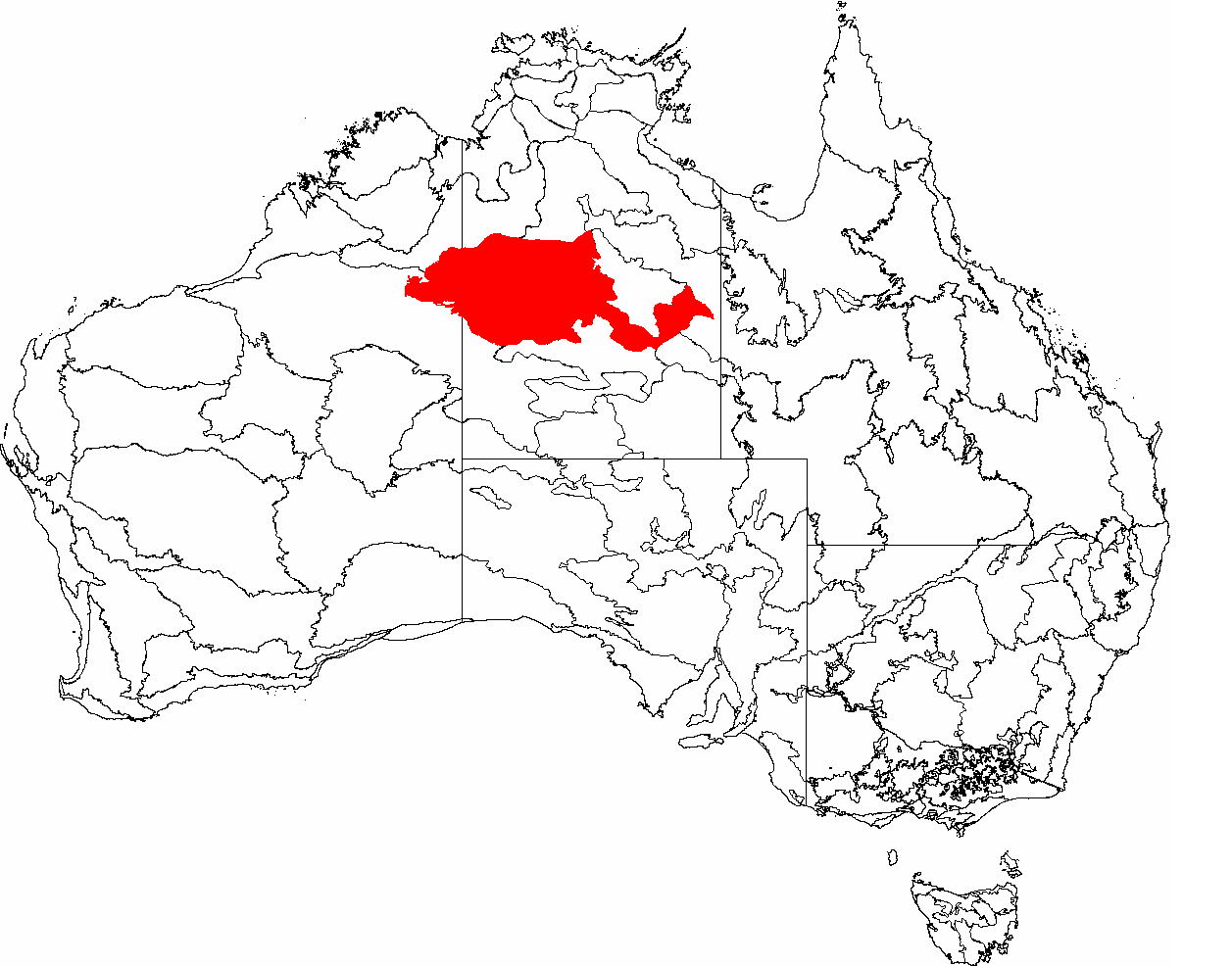
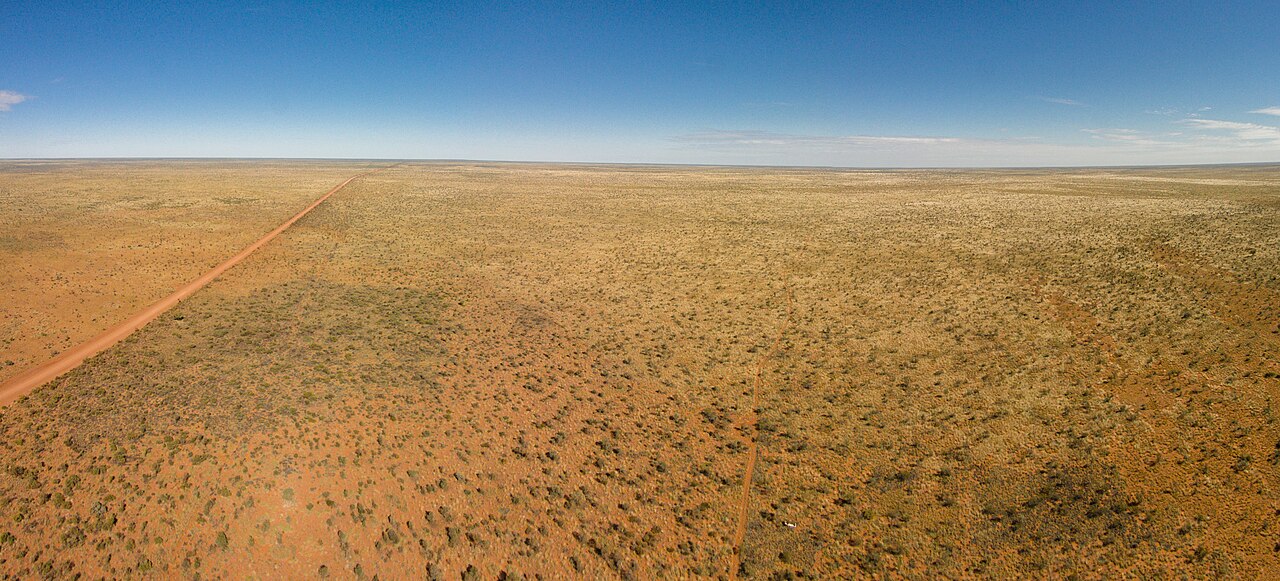
Tanami Desert lies in the central north of the Australian continent. This arid region is classed as a desert and sits within the Northern Territory of Australia. It is characterised by stony plains, low hills and sparse vegetation; its remoteness and harsh conditions meant large areas were not thoroughly mapped until the 20th century. A rough track known as the Tanami Track traverses the landscape.
Image gallery
4 Images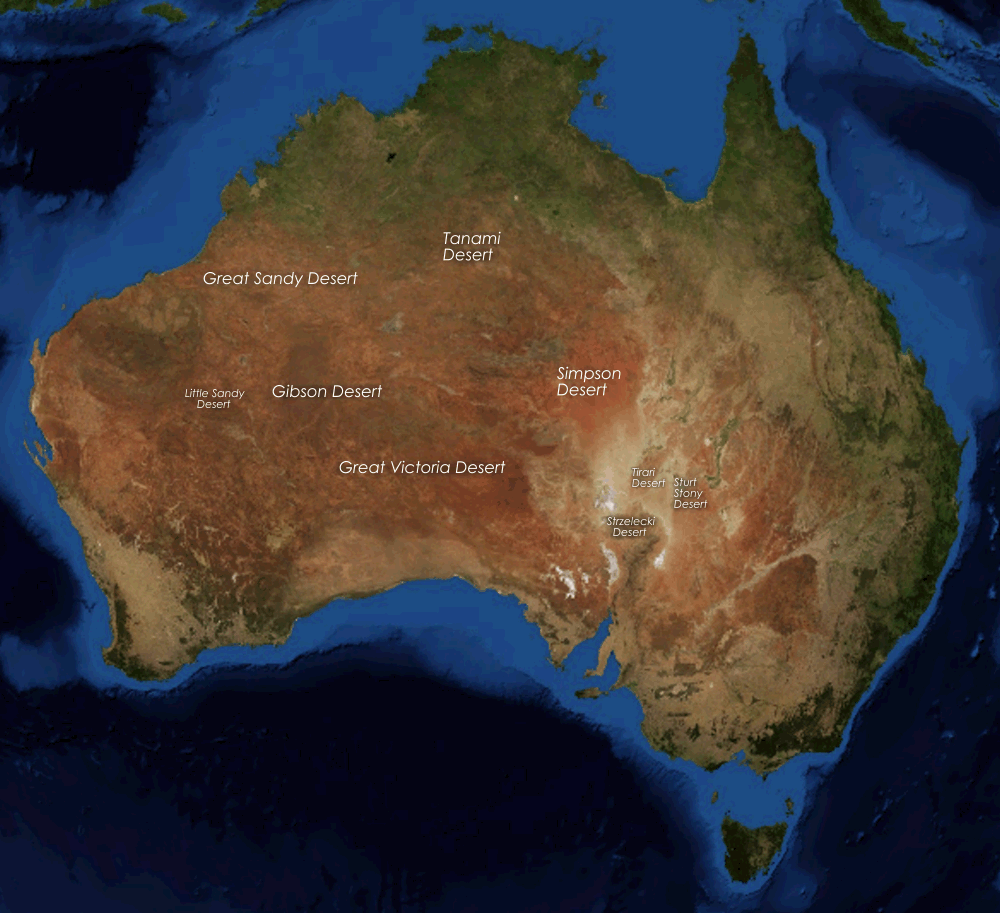

Exploration history
In the 1860s the explorer John McDouall Stuart attempted to cross parts of this region during his inland expeditions. While pushing toward the Victoria River, he and his party struggled to locate reliable water supplies and failed to establish a continuous route through the interior at that time.
Biogeography and conservation value
The area is recognised as the IBRA region named Tanami. Conservation assessments highlight the desert's role as an important refuge for fauna that are uncommon elsewhere in the country. Scientists describe it as one of the more significant biological strongholds in Australia because it supports several species of conservation concern.
Wildlife
Various small mammals and other native species occur in the Tanami. Examples recorded in the region include:
- Western Chestnut Mouse (Pseudomys nanus)
- Little Native Mouse (Pseudomys delicatulus)
- Long-tailed Planigale (Planigale ingrami)
Birdlife
The desert also supports a number of notable bird species adapted to arid conditions. These populations, together with the small mammals above, contribute to the Tanami's conservation importance and are the focus of periodic surveys and land-management planning.
Questions and answers
Q: Where is the Tanami Desert located?
A: The Tanami Desert is located in the Northern Territory of Australia.
Q: What is the terrain of the Tanami Desert like?
A: The Tanami Desert is rocky with small hills and is an arid and isolated area.
Q: Who attempted to cross the Tanami Desert in the 1860s?
A: The explorer John McDouall Stuart made repeated attempts to cross the desert in the 1860s while trying to reach the Victoria River.
Q: Was John McDouall Stuart successful in finding water in the Tanami Desert?
A: No, John McDouall Stuart was unable to find water while attempting to cross the Tanami Desert.
Q: What is the Tanami Desert known for in terms of biology?
A: The Tanami Desert is uniquely "one of the most important biological areas to be found in Australia particularly as it provides refuge for several of Australia's rare and endangered species."
Q: What are some of the rare and endangered species found in the Tanami Desert?
A: Some of the rare and endangered species found in the Tanami Desert include the Western Chestnut Mouse, Little Native Mouse, and Long-tailed Planigale.
Q: Are there significant bird species found in the Tanami Desert?
A: Yes, there are significant bird species found in the Tanami Desert.
Related articles
Author
AlegsaOnline.com Tanami Desert: Arid Wilderness and Biodiversity Refuge in Australia's Northern Territory Leandro Alegsa
URL: https://en.alegsaonline.com/art/96244