
Tampa Bay (Florida): geography, history, ecology and uses
Tampa Bay is a large estuarine system on Florida's west coast, encompassing several subbays and serving as a regional hub for ports, recreation, wildlife habitat and coastal communities.
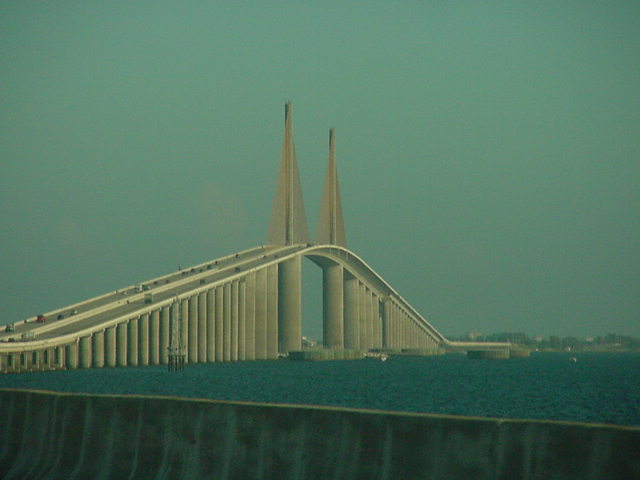
Tampa Bay is a broad, shallow estuary on the Gulf Coast of central-west Florida. The bay system is commonly described in sections—Hillsborough Bay, Old Tampa Bay, Middle Tampa Bay and Lower Tampa Bay—and forms the coastal waterway adjacent to the cities of Tampa, St. Petersburg and Clearwater. Fed by multiple rivers and connected to the Gulf of Mexico through barrier islands and inlets, the bay is both a natural harbor and an ecological transition zone where fresh and salt water mix.
Image gallery
9 Images




Geography and hydrology
The watershed that drains into the bay includes rivers, creeks and wetlands. Tidal exchange with the Gulf creates salinity gradients that vary across the subbays. Barrier islands, passes and shallow flats shape currents, sediment movement and coastal habitats. These physical features influence navigation channels, port locations and the distribution of marine life.
History and development
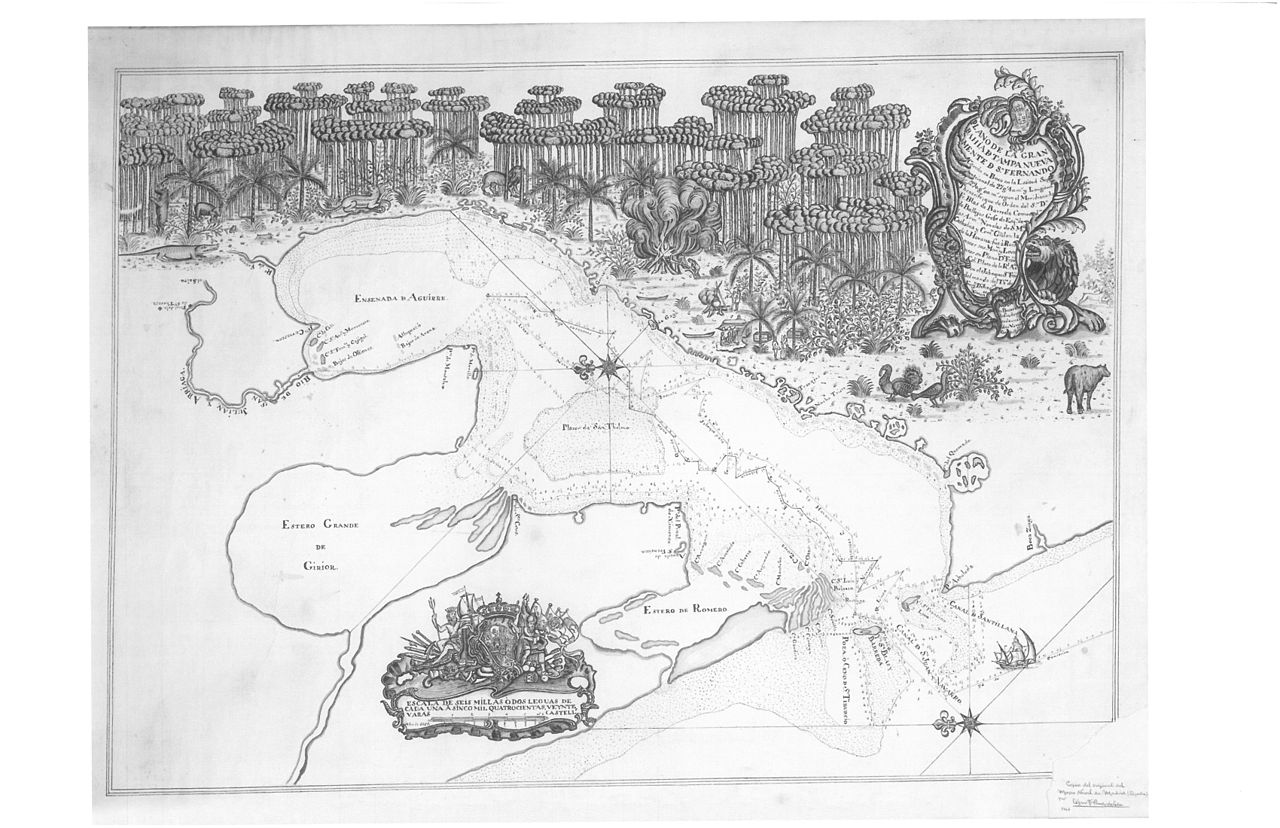
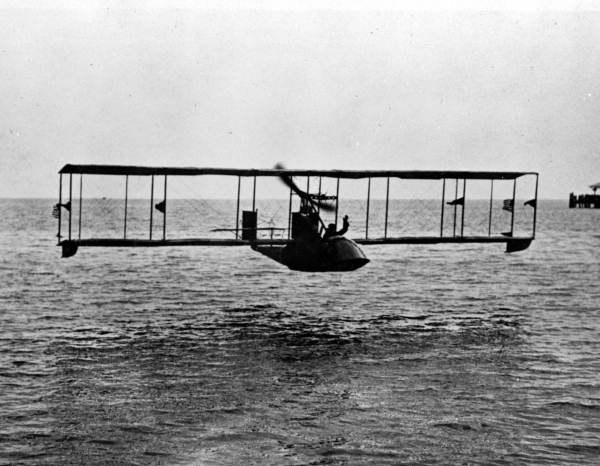
Human presence around Tampa Bay stretches back to indigenous peoples who lived along its shores. European visitors arrived in the 16th and 17th centuries, and the area urbanized more rapidly in the 19th and early 20th centuries with rail links, port development and industry. Waterfront neighborhoods, commercial shipping facilities and later tourism and recreation have shaped the modern region.
Ecology and conservation
Tampa Bay supports seagrass beds, mangrove fringes, oyster reefs and a diversity of fish, marine mammals and shorebirds. These habitats underpin commercial and recreational fisheries and protect shorelines. Decades of urban growth led to declines in water quality and habitat loss, prompting coordinated restoration and monitoring efforts to improve seagrass recovery and reduce pollution.
Uses and recreation
The bay is a focal point for regional economy and leisure. Major contemporary uses include:
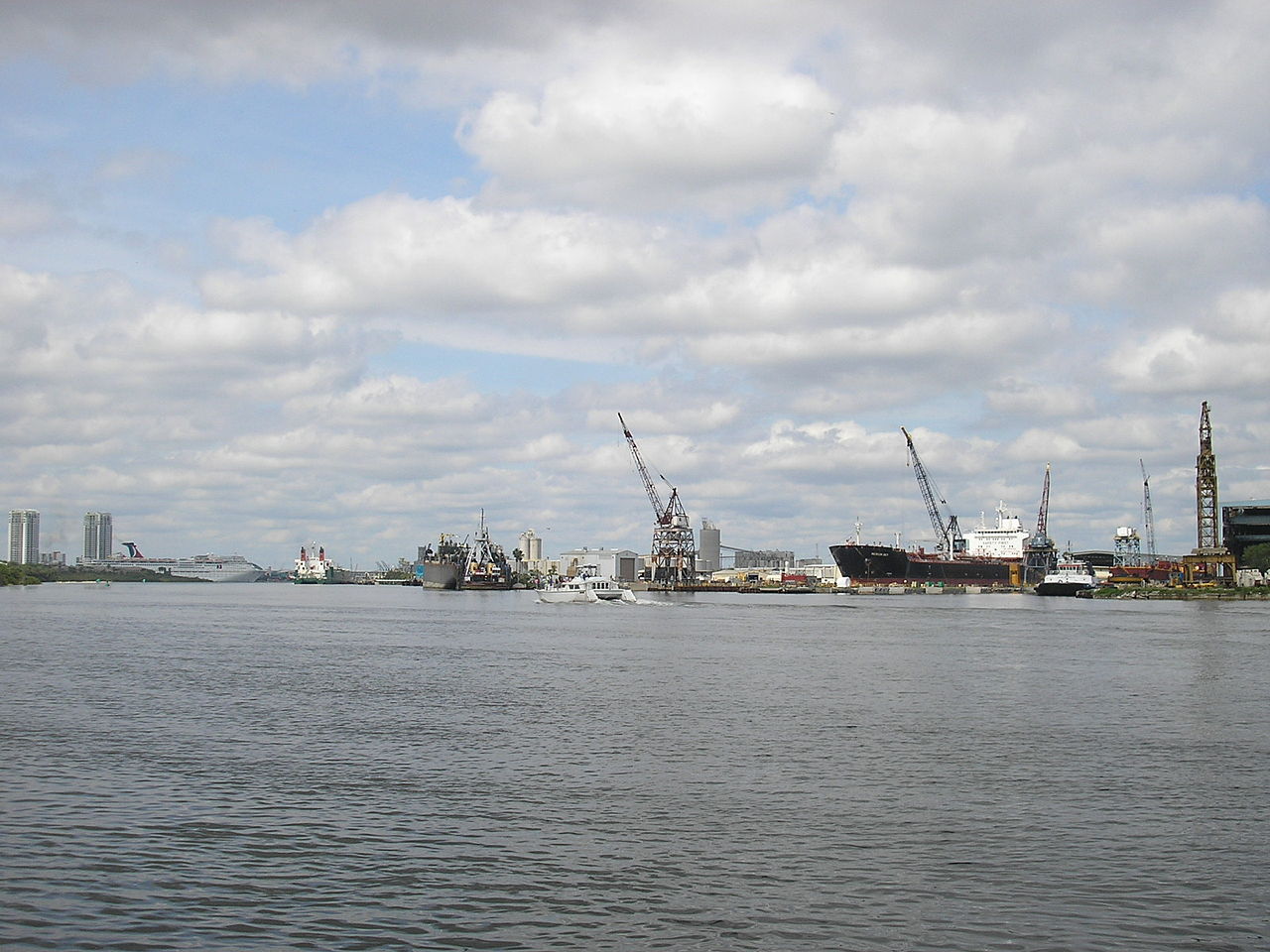
- Commercial shipping, cargo terminals and a port serving the region
- Recreational boating, sport fishing and beach tourism
- Military installations and related facilities near the waterfront
- Cultural venues, waterfront parks and events that draw residents and visitors
Visitors and residents value Tampa Bay for fishing, dolphin and manatee viewing, waterfront dining and barrier-island beaches. The area remains vulnerable to storm surge and sea-level change, so planning and conservation continue to be important for its future resilience.
Related articles
Author
AlegsaOnline.com Tampa Bay (Florida): geography, history, ecology and uses Leandro Alegsa
URL: https://en.alegsaonline.com/art/96221