
State (political entity)
A state is a political entity with sovereignty over a territory, a permanent population, and institutions that govern. It is distinct from a nation and can take many forms such as republics or monarchies.
In modern politics, a state is the organized political community that exercises authority over a defined territory and population. The term often overlaps with the everyday word country, but in scholarly usage "state" highlights legal and institutional authority: the structures that create and enforce public rules, manage resources, and represent the entity in relations with other states.
Image gallery
4 Images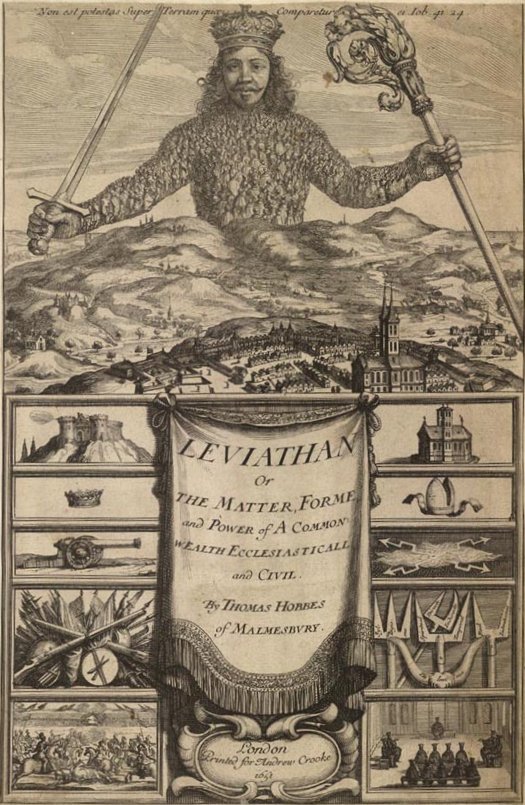


Core elements of a state
Most descriptions identify three fundamental elements. These are expressed in law and practice and are useful for distinguishing states from other political formations:
- Territory — a defined geographic area where the state's jurisdiction applies.
- A permanent population of people who live under the state's authority.
- Institutions — organized bodies with the capacity to make and enforce laws, collect taxes, and administer public policy.
In practice, these institutions include a civil administration (civil service), a legal system and courts (law), and security forces such as the military and police. Together they maintain internal order and provide public services.
Forms and organization
States adopt many arrangements of power. The phrase forms of government covers how authority is distributed and legitimized: constitutional republics, hereditary monarchies, and various authoritarian systems. Administrative structure varies between unitary states and federations—where subnational units share sovereignty, as in the United States and other federal states.
History, recognition and significance
The modern concept of the state grew in Europe from centralized monarchies and later from the diplomatic practices that defined sovereign equality among entities. International law commonly treats recognition by other states and the ability to enter into treaties as important practical aspects of statehood, alongside internal control and governance. States are the primary actors in international relations and the main providers of legal identity, citizenship, and political rights.
Distinctions that matter in study and policy include state versus nation (a state is a political unit; a nation is a cultural or ethnic community) and state versus government (the state is the enduring structure; governments are the temporary officeholders). Some entities combine many functions of a state but lack full recognition or control and are described as de facto or failed states in political analysis. Understanding the state remains central to fields from law and diplomacy to public administration and political theory.
Questions and answers
Q: What is a state in politics?
A: In politics, a state is a country which has control over a geographic area or territory.
Q: What are the three main features of states?
A: The three main features of states are control over a geographic area or territory, a people (the population of the state), and institutions which have the power to make laws.
Q: What are some forms of government that states may have?
A: Some forms of government that states may have include republics and monarchies.
Q: How do states form their own countries?
A: States can form their own countries by working together to create one unified nation.
Q: Are armed forces, civil service, law and police common among most states?
A: Yes, most states also have armed forces, civil service, law and police.
Q: Can multiple states work together to form one country?
A: Yes, multiple states can work together to form one country such as the United States.
Related articles
Author
AlegsaOnline.com State (political entity) Leandro Alegsa
URL: https://en.alegsaonline.com/art/93528
Sources
- books.google.com : Democracy and Dictatorship: The Nature and Limits of State Power
- books.google.com : Modern Political Analysis
- books.google.com : Bringing the State Back In