
Surinam horned toad (a South American horned frog)
Overview of the Surinam horned toad: identity, appearance, behavior, habitat, reproduction, role in captivity and conservation of frogs in the genus Ceratophrys.
Overview
The name "Surinam horned toad" is commonly applied to one of the large, stout species in the genus Ceratophrys, a group of terrestrial frogs native to parts of South America. Members of this genus are often called South American horned frogs or "Pacman frogs" because their rounded bodies and very large mouths resemble the arcade character Pac-Man. Taxonomic treatments vary: some authors place Ceratophrys in the family Leptodactylidae, while others treat it within a more narrowly defined family and refer to the subfamily Ceratophryinae.
Image gallery
10 Images




Taxonomy and name
The common name emphasizes the horn-like skin projections above the eyes that many species show. Scientific discussions of the group and its relatives may be found in family-level accounts and broader amphibian resources (family references, species overview).
Appearance and distinguishing features
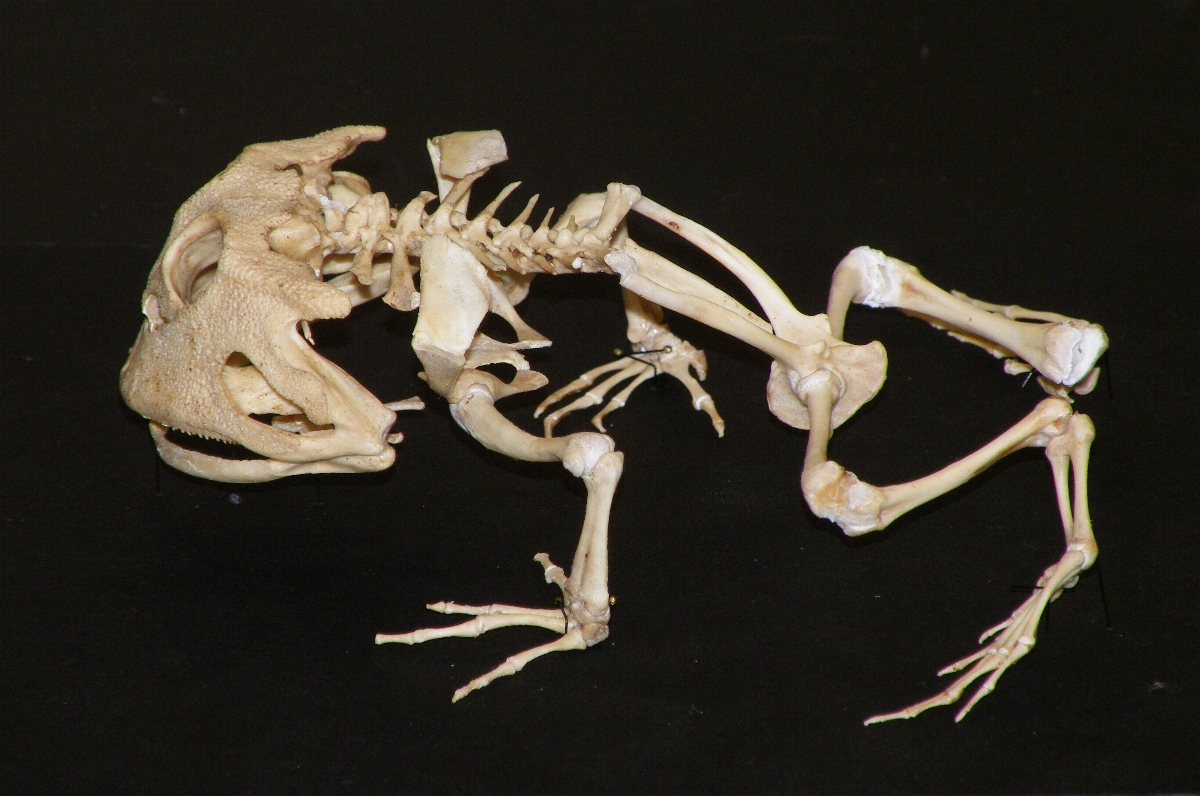
Surinam horned toads are characterized by a broad, flattened body, disproportionately large head and mouth, and powerful jaws. The eyelids often bear fleshy ridges or tubercles that look like "horns." Coloration tends to be cryptic—greens, browns and mottled patterns—that conceal the frog in leaf litter or mud. Adults may reach a relatively large size for terrestrial frogs, and their build reflects a sit-and-wait predatory lifestyle.
Distribution and habitat
These frogs are associated with humid lowland environments in northern and central regions of South America, occupying leaf litter, forest floors, swamp margins and seasonal floodplains. Many species favor sites that become inundated during the rainy season, which provides breeding habitat.
Behavior and diet
Surinam horned toads are ambush predators. They typically remain motionless, often partly buried, awaiting prey. Their diet is opportunistic and can include insects, other amphibians, small reptiles and, in large individuals, even small mammals. Cannibalism has been reported in crowded natural or captive situations. Feeding relies on a rapid lunge and wide gape rather than pursuit.
Reproduction and life cycle
Breeding is commonly tied to rainfall. Many Ceratophrys species breed explosively when temporary pools form: males call from shallow water, females deposit strings or clusters of eggs, and tadpoles develop in the aquatic environment. Larval stages in this group may display carnivorous tendencies compared with typical frog tadpoles.
Relationship with people and captive care
Because of their striking appearance and ground-dwelling habits, horned frogs are popular in the pet trade and kept by hobbyists as "Pacman frogs." Captive care emphasizes stable warmth and humidity, a substrate that allows burrowing, and careful feeding to prevent obesity and injury. Potential keepers should consult reputable care guides and species accounts (species overview) before obtaining animals.
Conservation
Conservation status varies by species and region. Some populations tolerate modified habitats, while others face habitat loss, pollution, collection for the pet trade and climate-driven changes in precipitation patterns. Local assessments and up-to-date taxonomic information are important for conservation planning; general resources on the group and related frogs can be found in family and subfamily treatments (family references, subfamily notes).
Notes
When consulting further information, generic and regional accounts differ in how they treat species limits and family placement; for genus-level information see Ceratophrys, and for broader context see references on Leptodactylidae and related groups. Additional popular or introductory material may be found under broader amphibian overviews (cultural reference, species overview).
Related articles
Author
AlegsaOnline.com Surinam horned toad (a South American horned frog) Leandro Alegsa
URL: https://en.alegsaonline.com/art/95180