
Symphyla: small, soil-dwelling myriapods
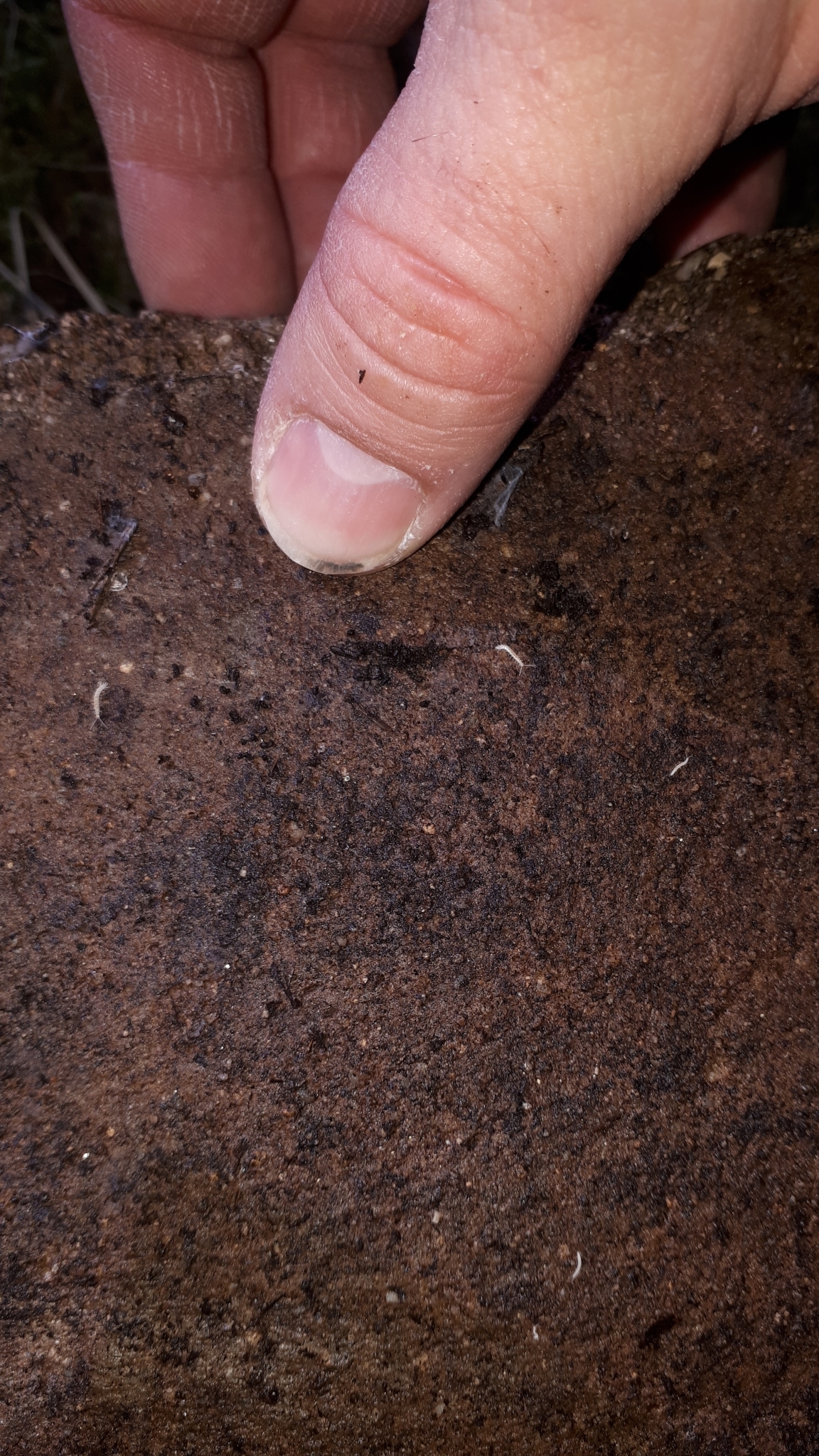
Symphyla are tiny, translucent myriapods living in soil. They act as decomposers but can damage roots and seedlings in agriculture. This article covers appearance, habitat, behavior, and their ecological importance.
Symphyla (commonly called symphylans) are minute, soft-bodied arthropods that live in soil and leaf litter. They belong to the broader group of arthropods and are placed within the myriapod assemblage; they are sometimes discussed alongside taxa in Myriapoda and related subgroups noted in classification resources here. Their small size and translucent cuticle make them easy to overlook, but they are widespread in suitable habitats worldwide.
Image gallery
5 Images



Appearance and anatomy
Symphylans resemble very small, pale centipedes, but several features separate them from true centipedes. Adults typically have an elongated, segmented body with numerous pairs of legs (many adults bear about 12 pairs), long antennae, and no eyes or a simple set of ocelli in some species. The body is flexible and often nearly translucent, permitting them to move between soil particles and through cracks in the ground.
Habitat and feeding
These animals are adapted to life in the upper layers of soil and are commonly found from the surface down to roughly 50 cm in depth where moisture and decaying plant matter are present. They feed mainly on decaying vegetation and associated microorganisms, acting as decomposers that help break down organic material. In cultivated soils they can also gnaw on seeds, young roots and root hairs, which sometimes leads to seedling damage.
Ecological role and agricultural importance
As consumers of detritus, symphylans contribute to nutrient cycling and soil structure by fragmenting plant debris and stimulating microbial activity. However, in high numbers they are considered pests in garden beds, nurseries and some agricultural systems because of their tendency to feed on tender roots and emerging seedlings. Management in crop settings typically emphasizes cultural controls—reducing excess moisture, removing surface debris and encouraging predators—rather than widespread chemical use.
How to recognize symphylans
- Small, pale, translucent body and many body segments
- Numerous leg pairs (adults commonly with about 12 pairs)
- Long antennae and generally eyeless or with simple ocelli
- Absence of venomous forcipules that characterize centipedes
They are related to, but distinct from, true centipedes in appearance and ecology. Because they are cryptic and occupy narrow soil pores, symphylans are less conspicuous than many other soil invertebrates and are primarily encountered by soil sampling, careful observation of seedlings, or when leaf litter is sifted. For more introductory resources and identification guides see soil invertebrate keys and specialized references on arthropod groups and myriapod diversity.
Research into symphylan biology and their roles in different ecosystems continues; they are an example of a small but functionally important soil animal group whose presence can indicate certain soil conditions and whose population dynamics may influence plant health.
Related articles
Author
AlegsaOnline.com Symphyla: small, soil-dwelling myriapods Leandro Alegsa
URL: https://en.alegsaonline.com/art/95651